





Saddle Pads

FAQ
1. How do I choose the right type of saddle pad?
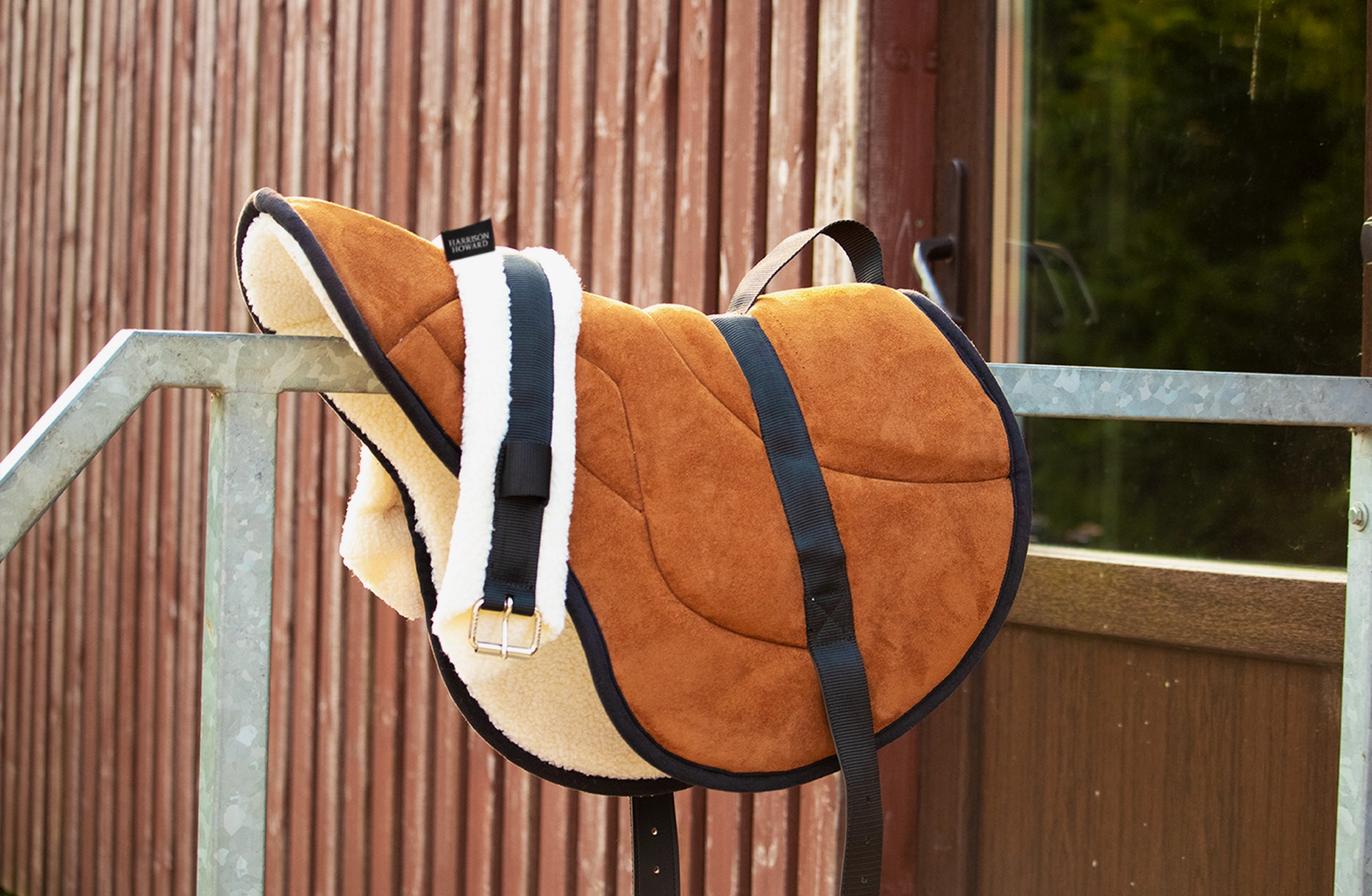
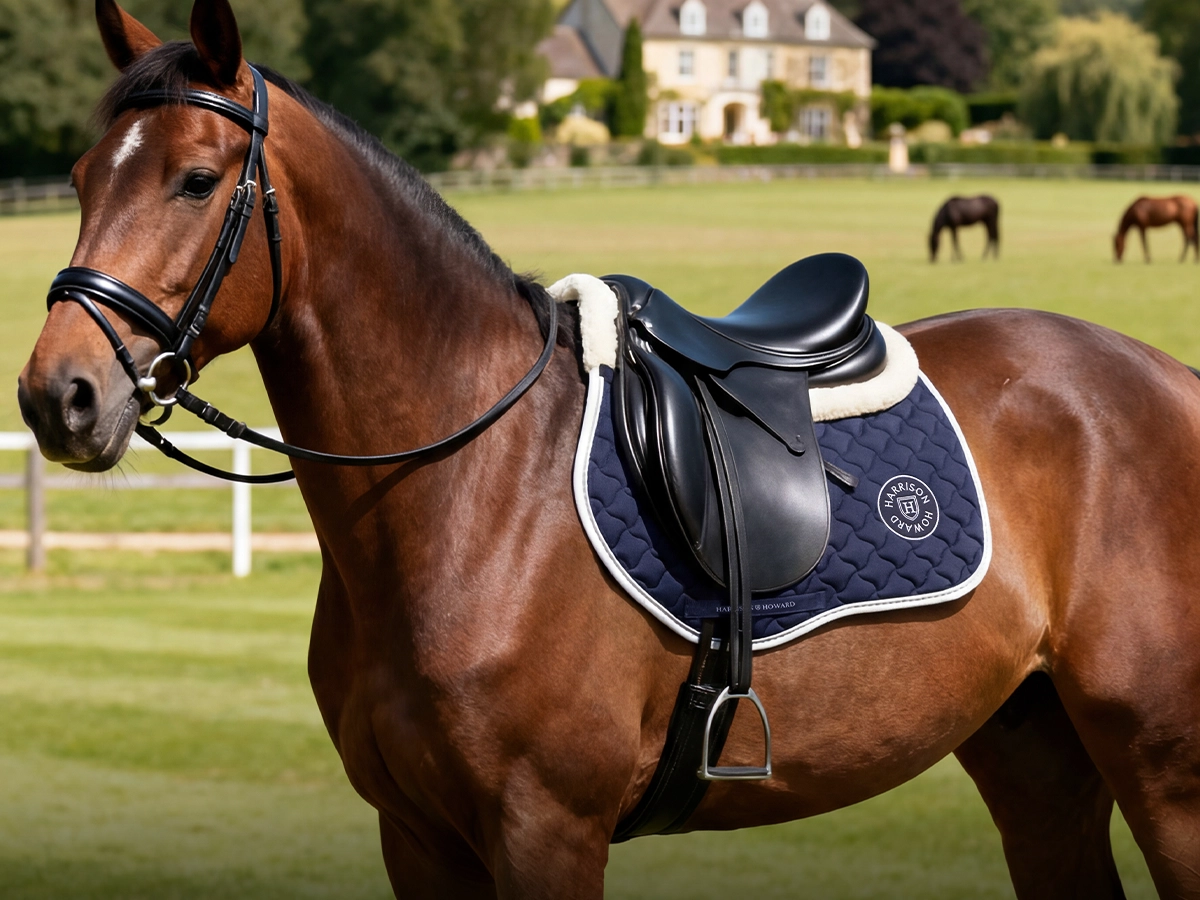
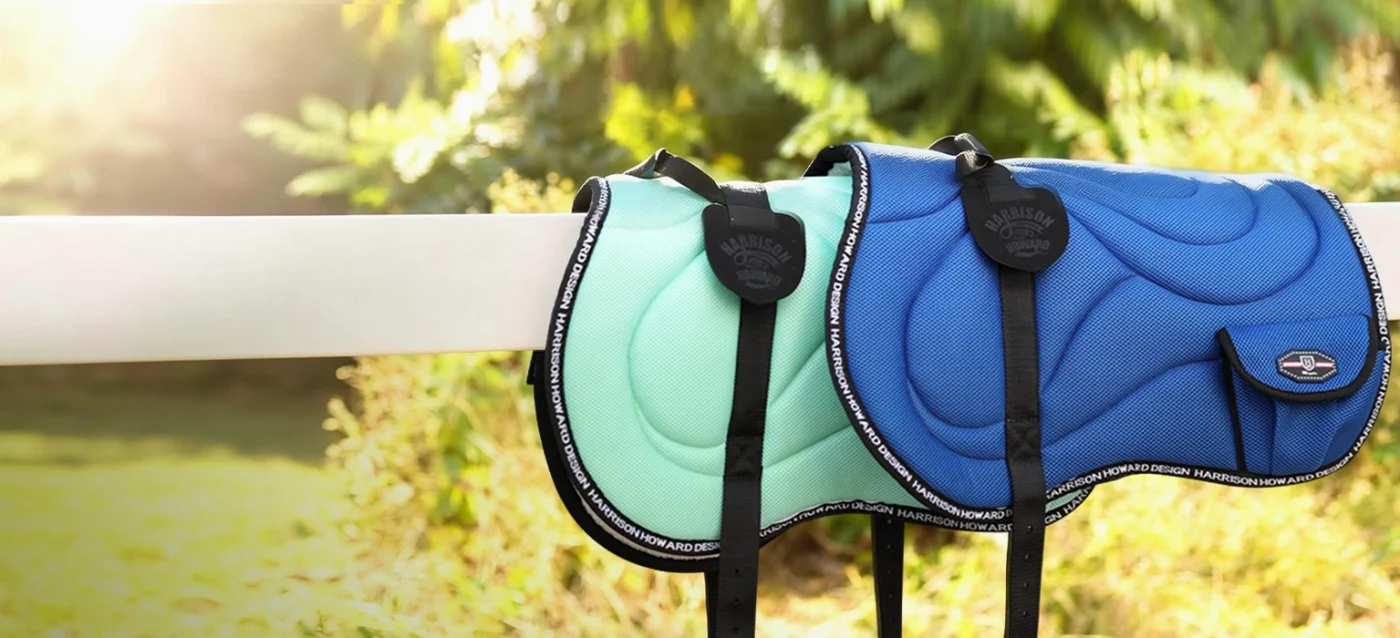
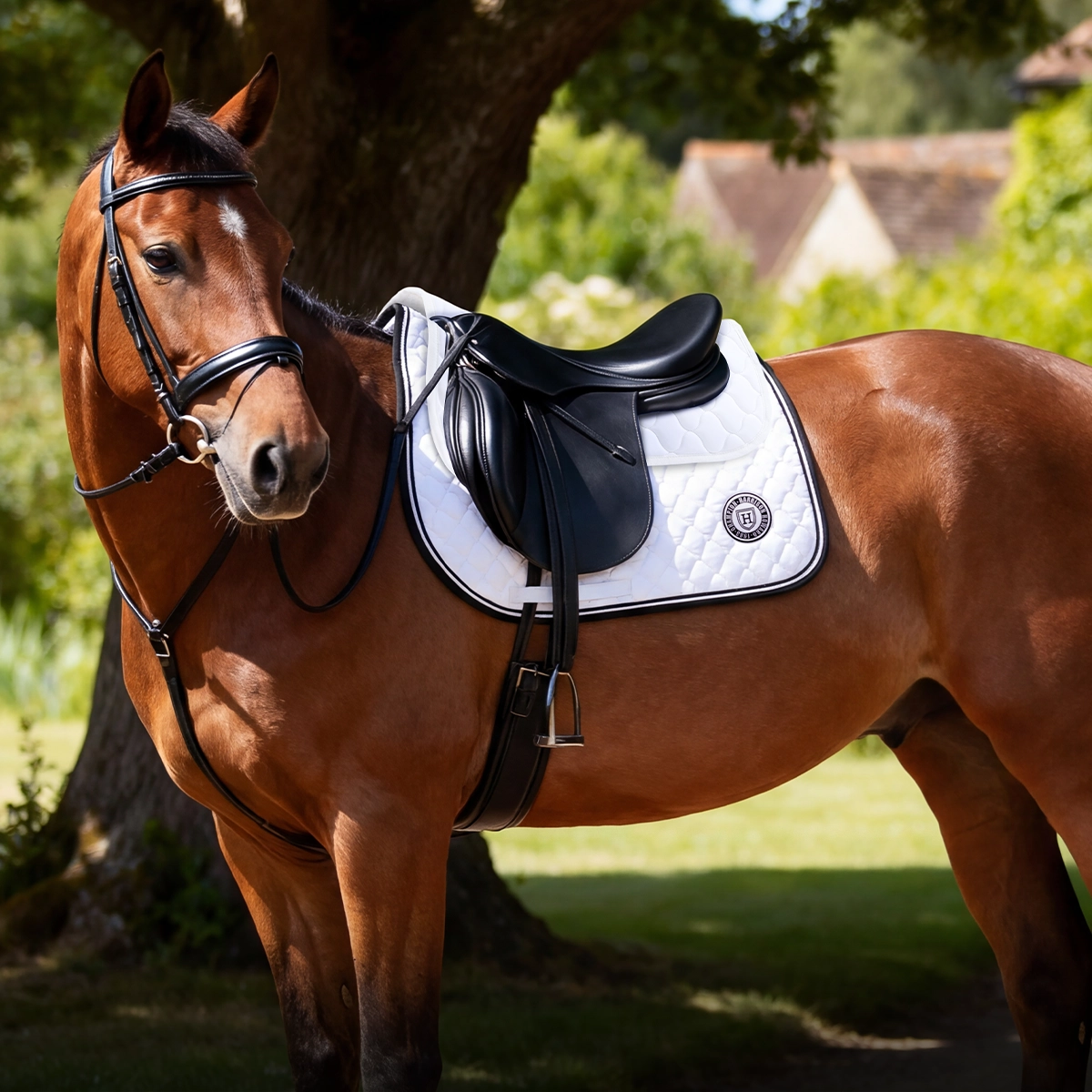
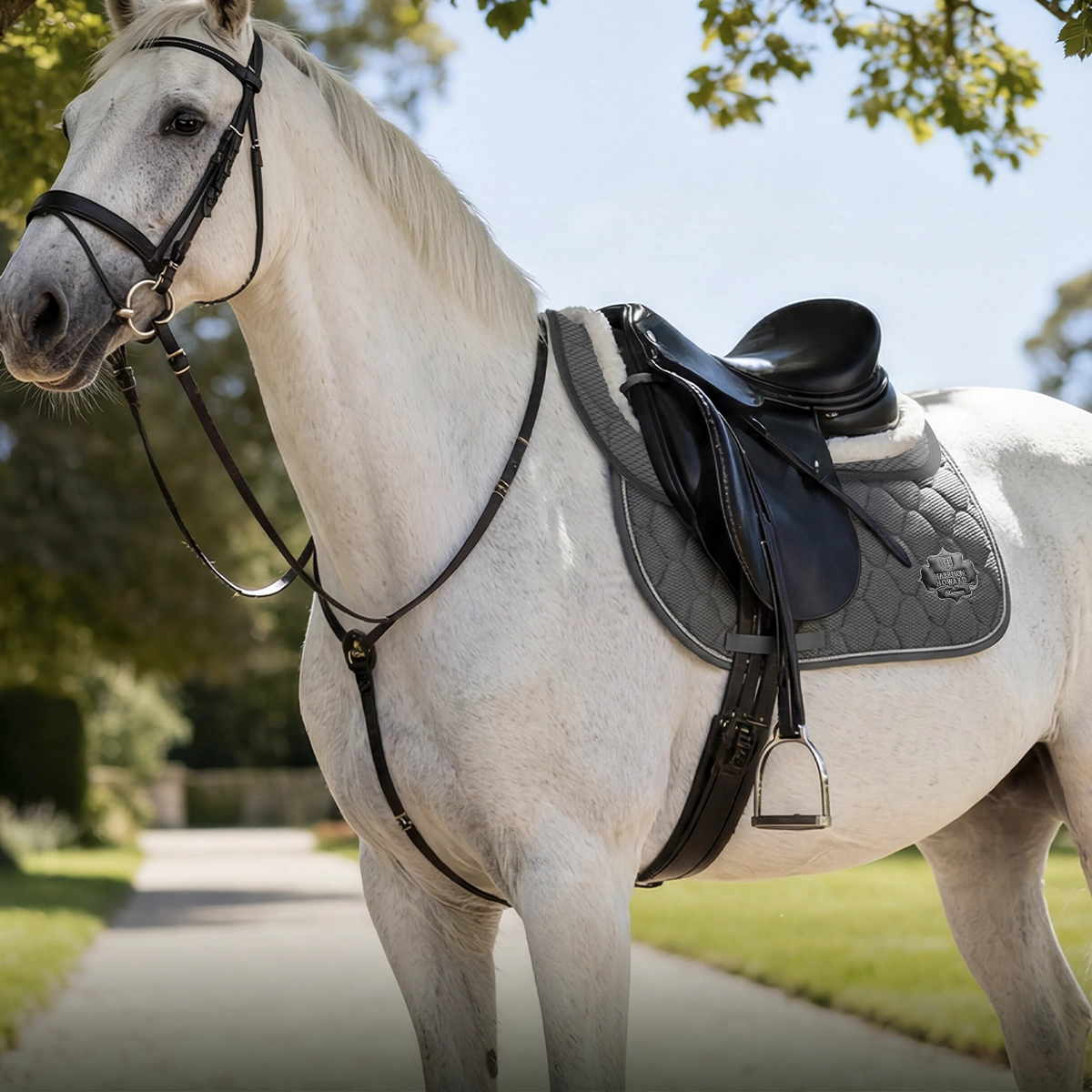
Choose based on saddle style and discipline: All Purpose for versatility, Close Contact for a thinner close fit, Dressage for a longer straighter cut, Western for larger/thicker coverage, Half Pads for extra cushioning/fit adjustment, and Bareback pads for riding without a saddle.
2. Are Half Pads used on top of a saddle pad?
Many half pads can be layered over a saddle pad or placed directly under the saddle (depending on the design) to add shock absorption, fine-tune fit, or protect the horse’s back.
3. Are Bareback Pads suitable for beginners?
It depends. Bareback riding requires balance and correct position. Beginners should use one under instruction and choose a grippy, stable design (often with a handle and supportive padding).
4. Is thicker always better for saddle pads?
Not always. Too much thickness can cause instability or pressure. The key is the right cut, proper spine channel, and balanced cushioning.
5. How do I know if the saddle pad size is correct?
Under the saddle, the pad should fully cover the bearing area without being pinched, avoid impinging on the shoulders, not be too short behind, sit symmetrical, and align the spine channel.
6. Do I need to wash my saddle pad after every ride?
Not necessarily, but after each ride shake off debris, brush hair off, and air-dry thoroughly. For frequent riding, rotate multiple pads to reduce bacteria and salt buildup.
7. How should I wash a saddle pad?
Always follow the care label. Many pads can be washed cold on gentle or by hand—avoid bleach and high heat. Wool/felt often needs wool-safe detergent and flat air-drying.
Related reading

Saddle Pads for Horses: How the Right Pad Protects Your Horse’s Back and Performance
A well-designed saddle pad does far more than complete the look—it plays a critical role [...]
04
Jan
Jan
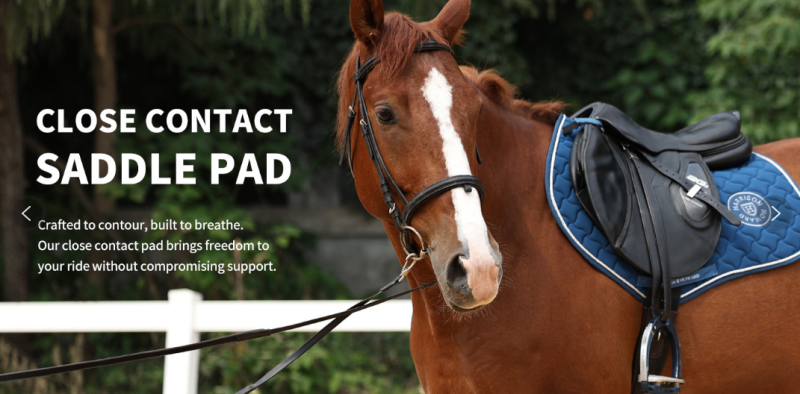
The Saddle Pad That Refuses to Budge (Unlike Your Horse on Cold Mornings)
If your saddle pad has a habit of sliding around like it has a mind [...]
19
Dec
Dec
Why a Good Saddle Pad Is Like the Horse’s Favorite Pair of Sneakers
Let’s be honest: a horse will never walk into the barn and say,“Excuse me, this [...]
10
Nov
Nov
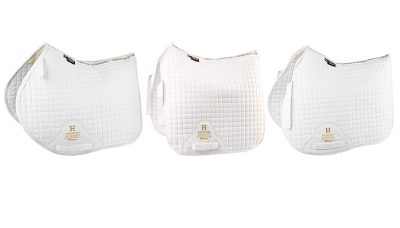
Choosing the Right Saddle Pad for Your Horse: A Comprehensive Guide
The saddle pad, often considered an inconsequential accessory, plays a vital role in providing comfort [...]
15
Jun
Jun
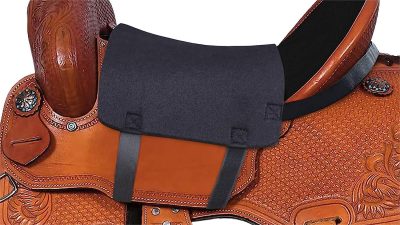
Harnessing the Benefits of Non-Slip Saddle Pads for Western Saddles: A Buying Guide
Western riding, be it for work or pleasure, is an art form with deep roots [...]
16
Jun
Jun
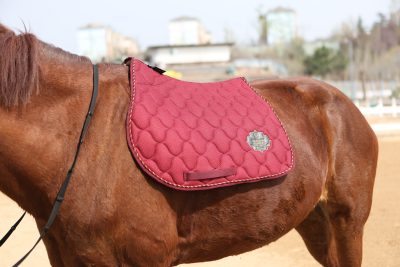
Why Fit Matters: The Importance of Proper Saddle Pad and Tack Fit for Horse Comfort
A comfortable ride isn’t just about how the rider feels—it’s equally about how the horse [...]
21
Apr
Apr
