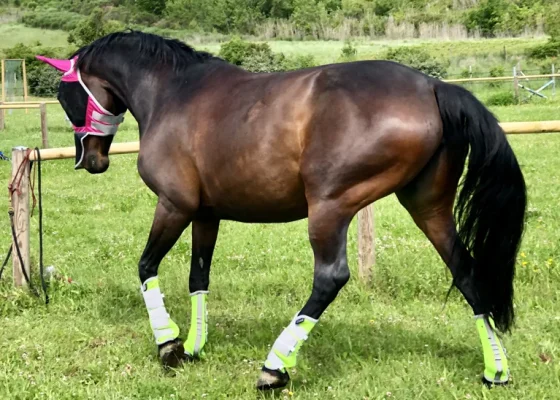
1. How do horse fly boots work?
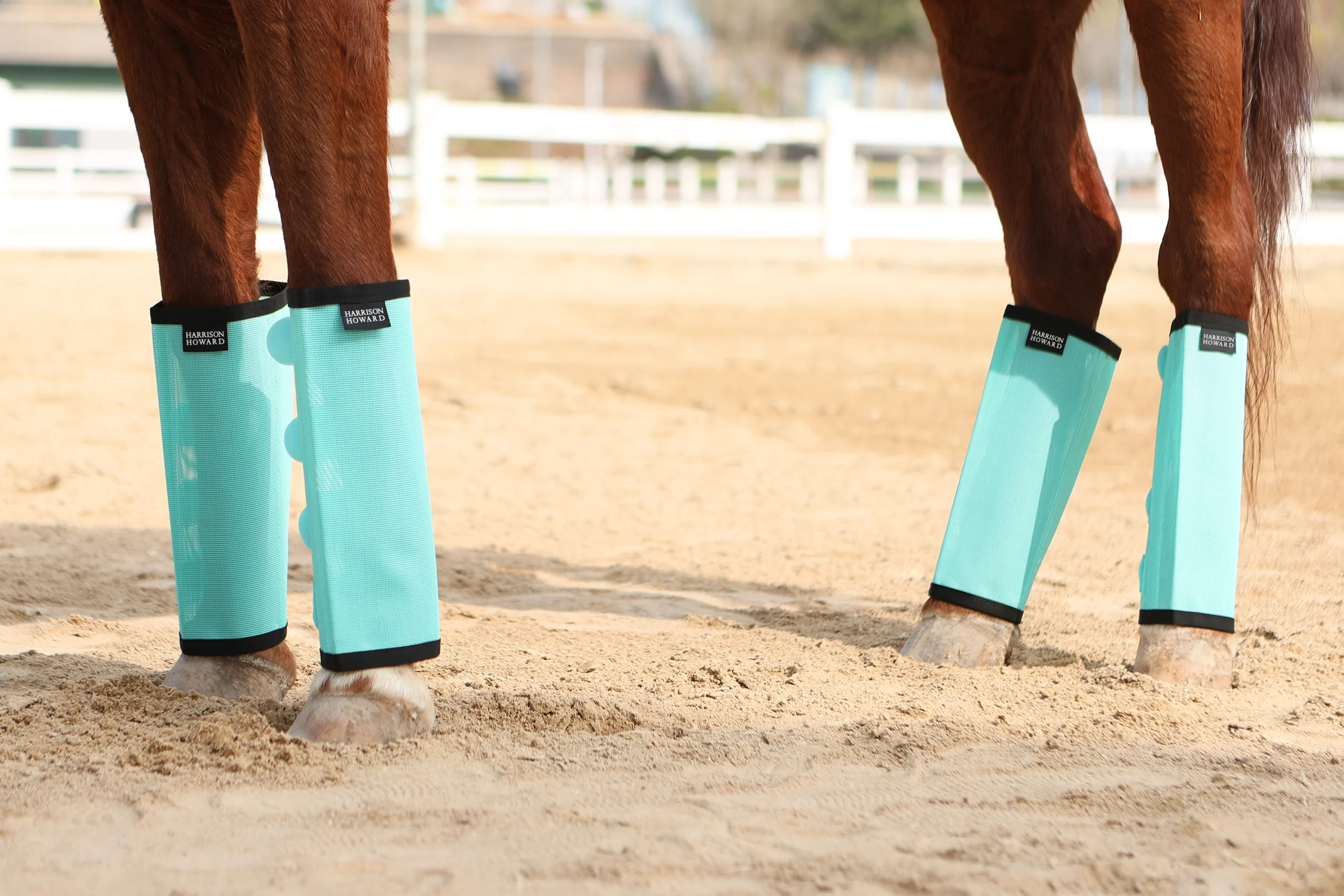
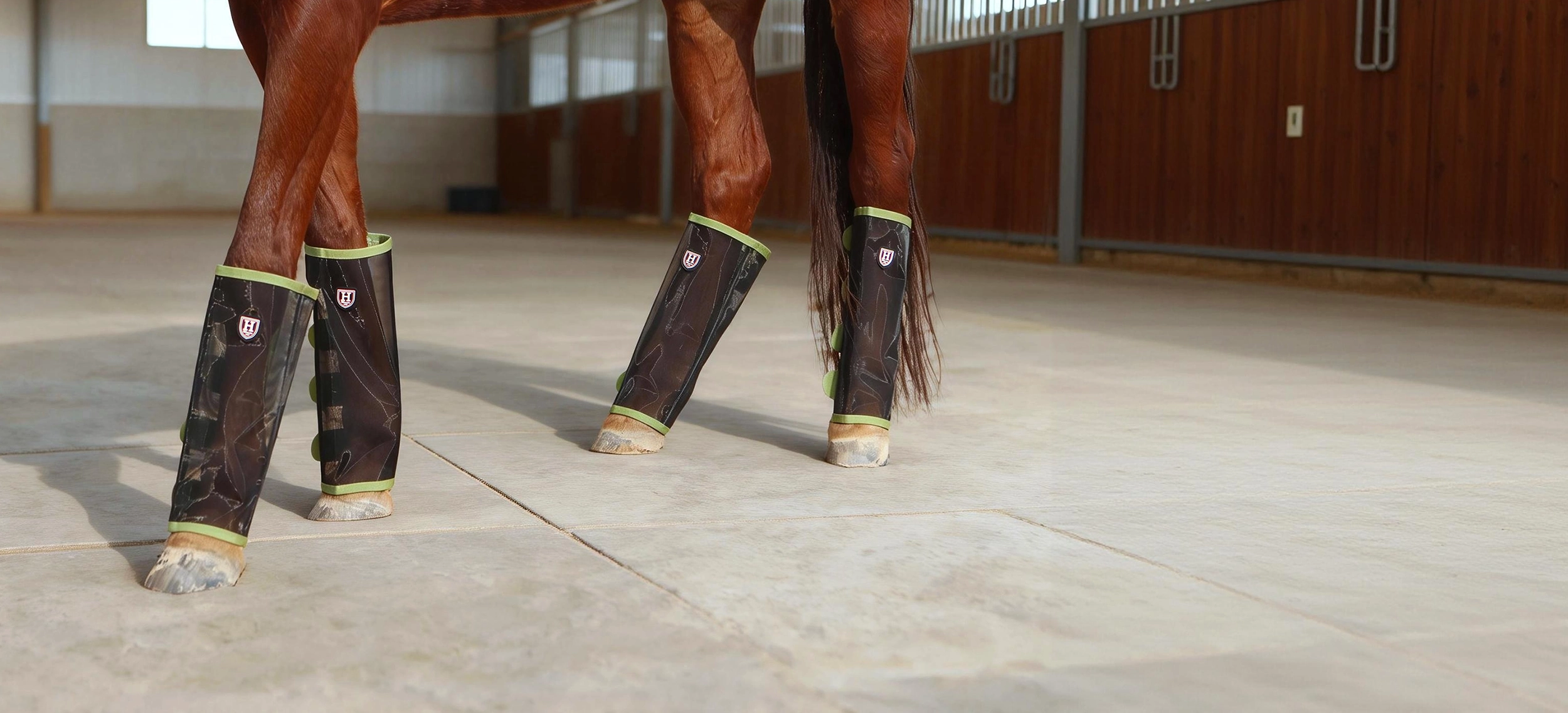
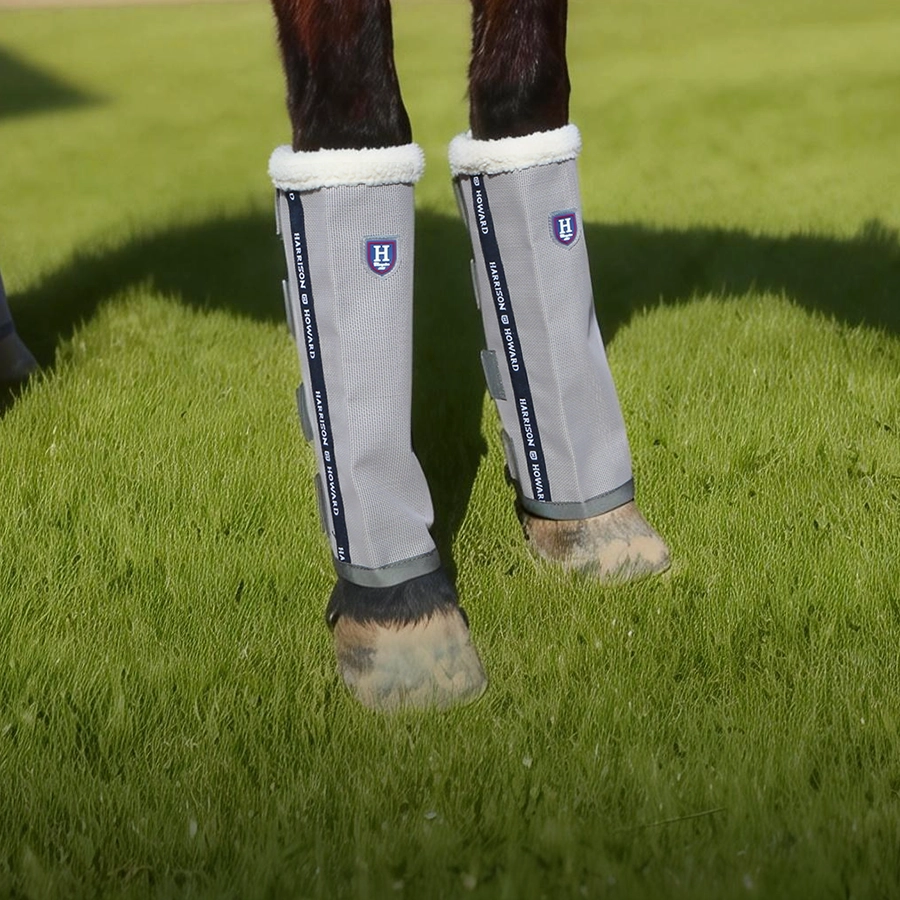
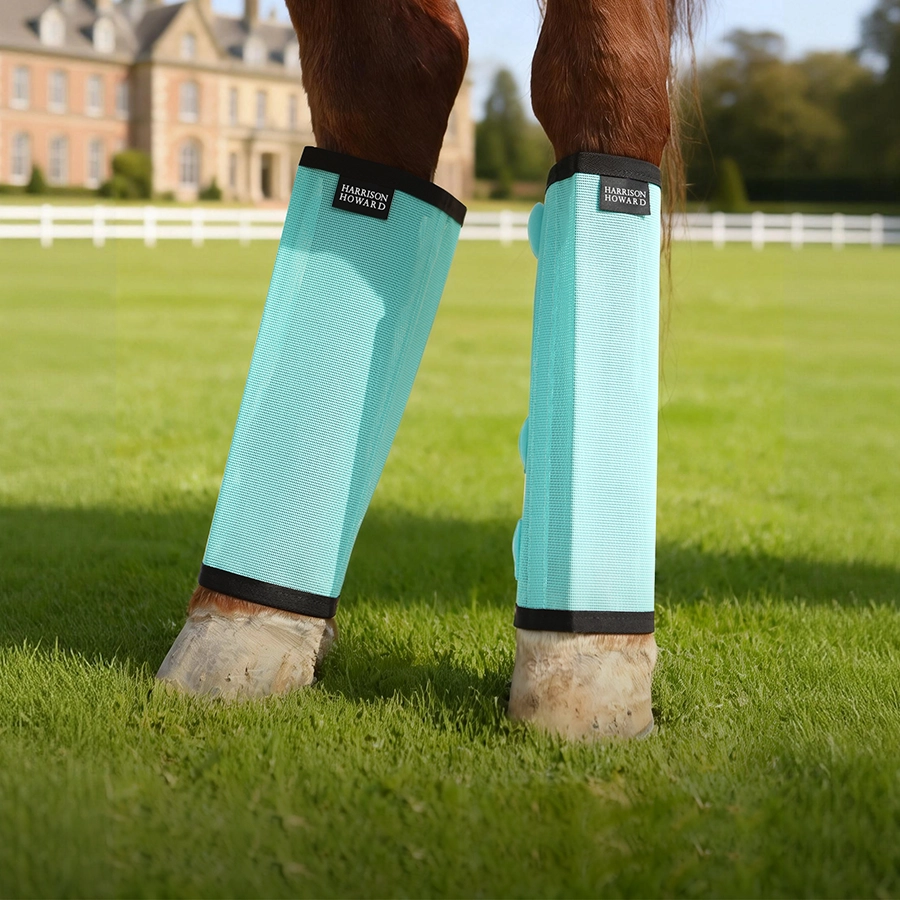
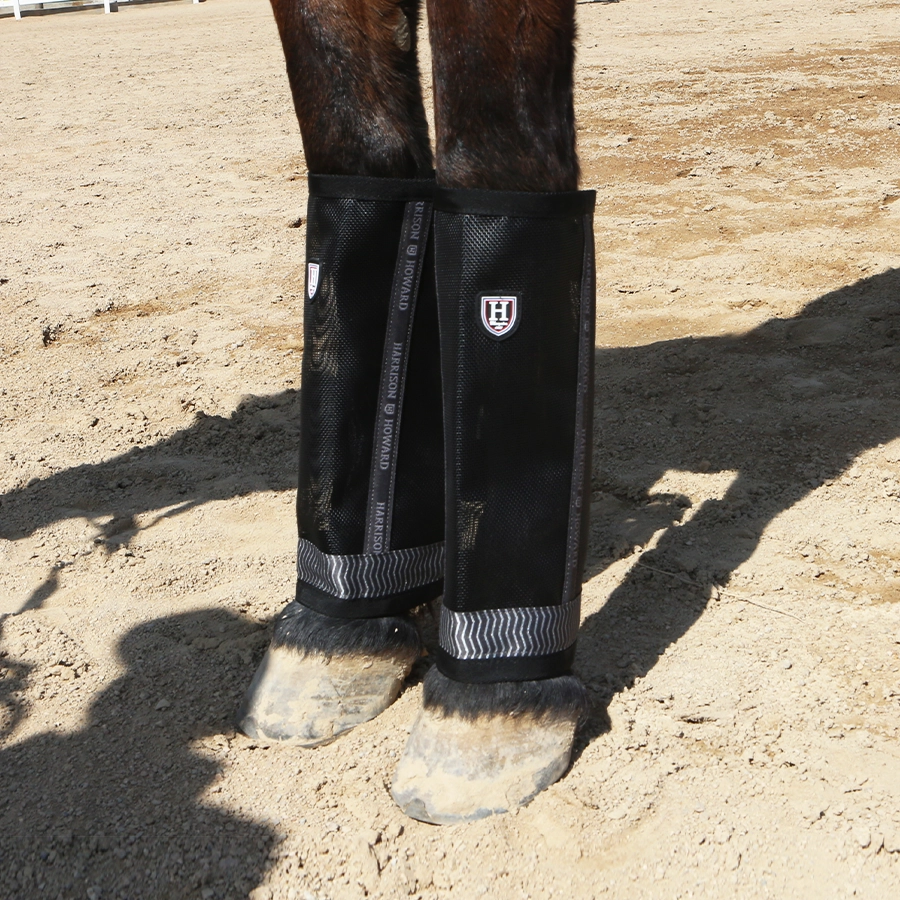
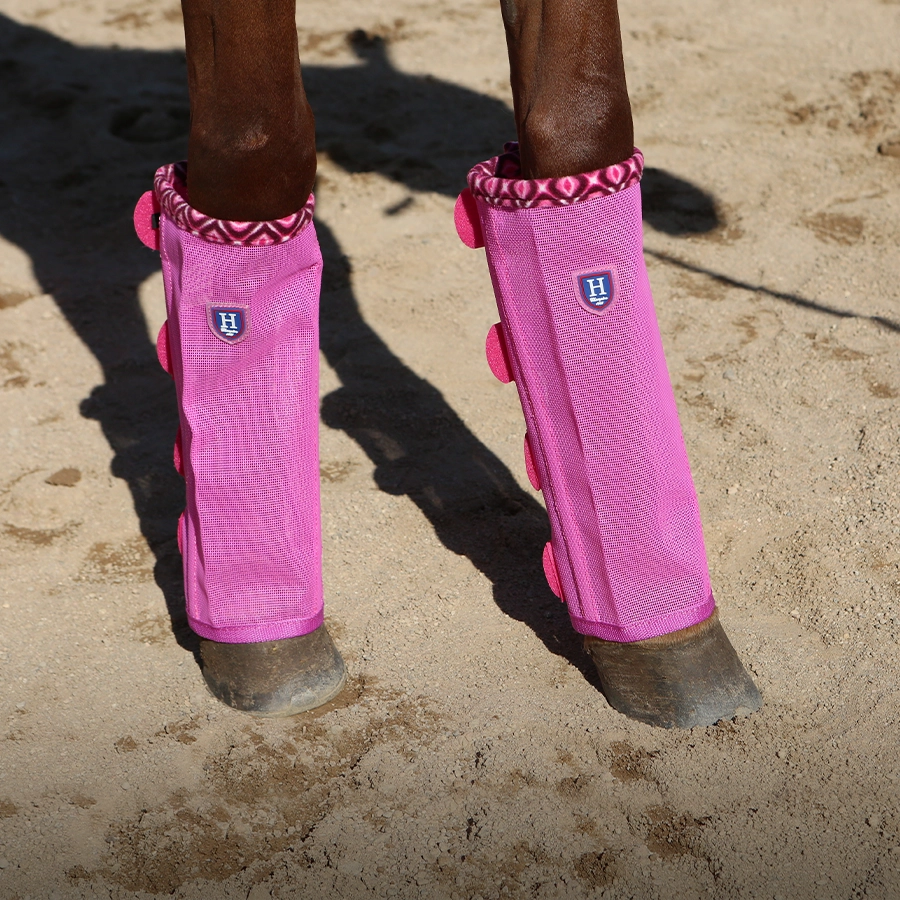
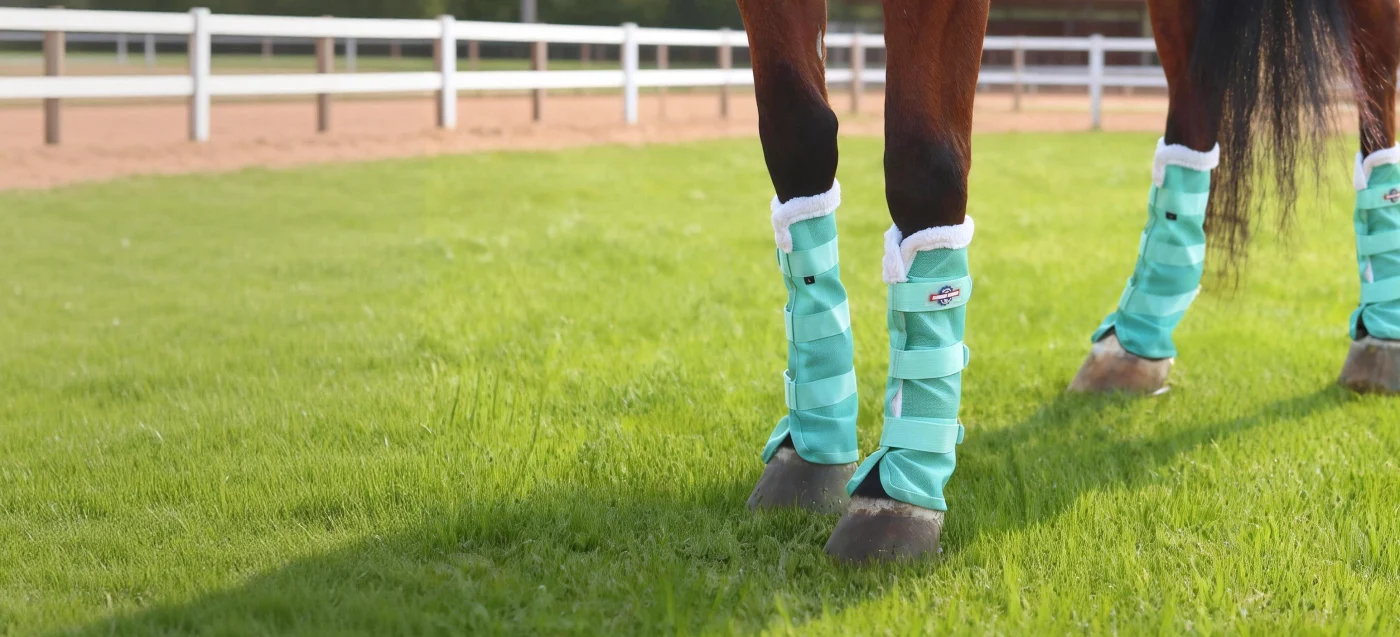
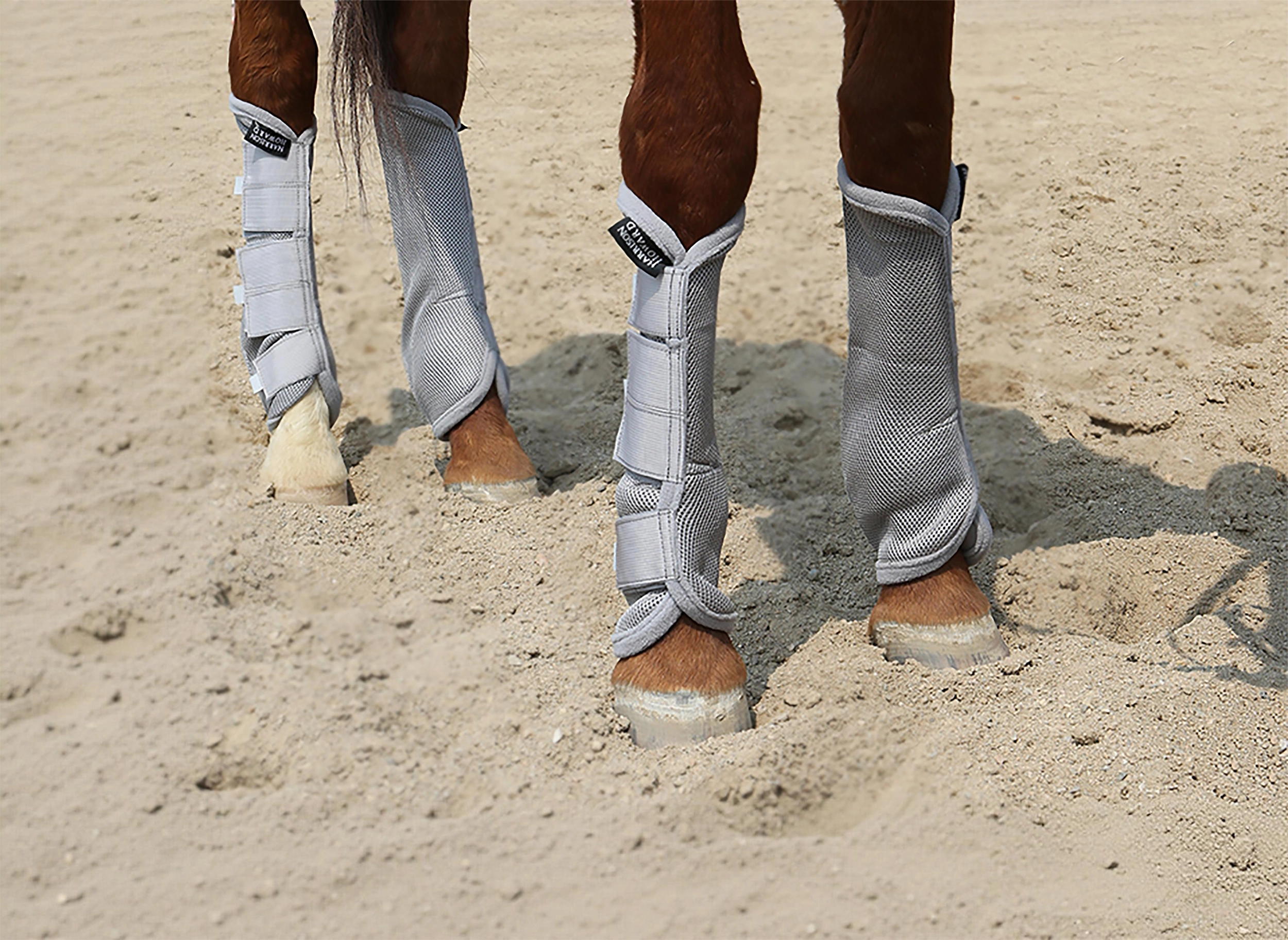
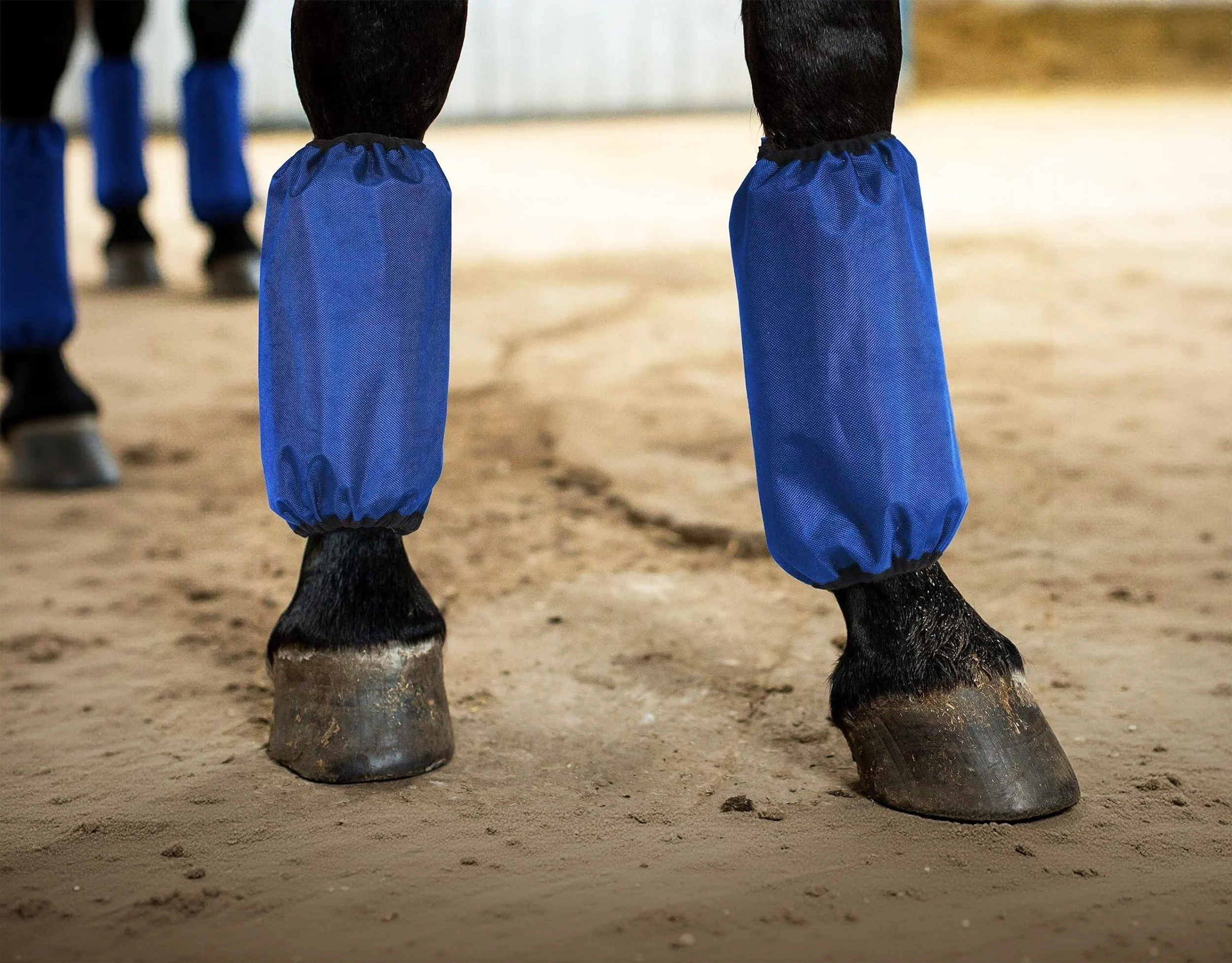
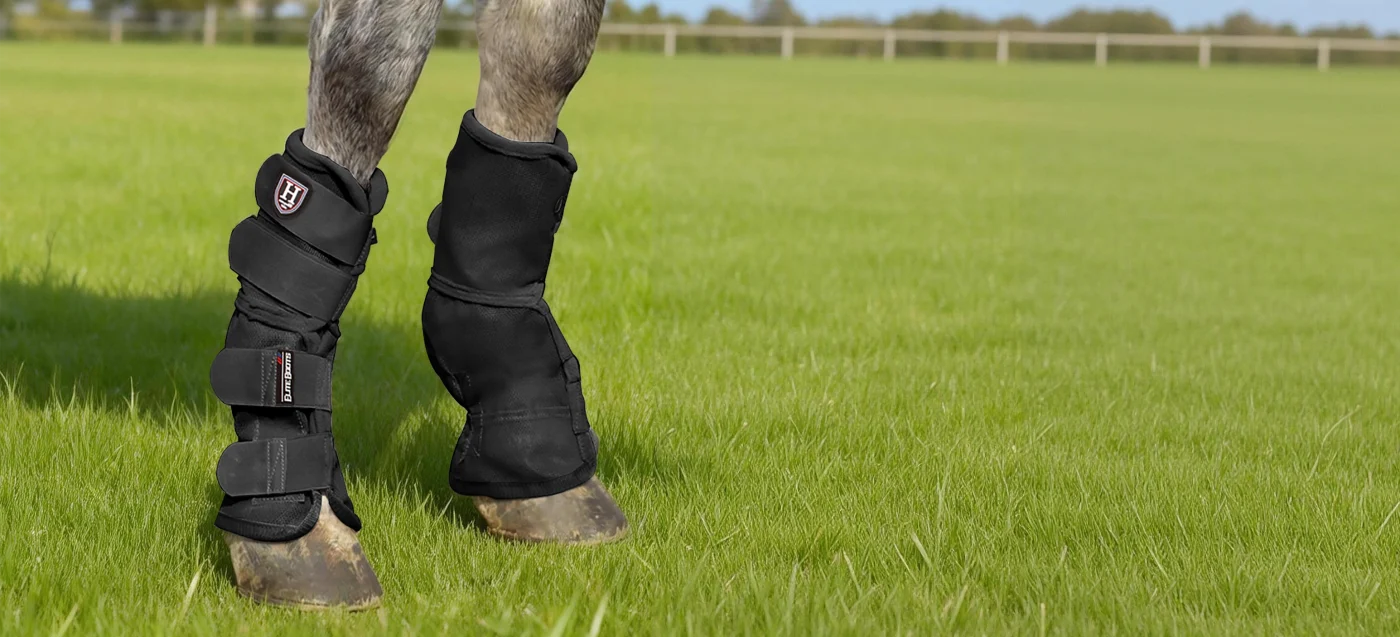
Horse fly boots are designed to cover the lower legs, creating a barrier against flies, midges, and other insects that can irritate the horse’s skin. They are made from mesh or other breathable materials to allow airflow while still providing effective insect protection.
2. Why should I use fly boots for my horse?
Fly boots help protect your horse’s legs from the irritation caused by flies, which can result in scratching, biting, and infections. They also help prevent damage to the horse’s legs from constant insect activity, reducing the risk of skin allergies or wounds.
3. How do I choose the right fly boots for my horse?
When choosing fly boots, ensure they are the correct size for your horse’s legs. Measure the circumference of the horse’s lower leg and select boots that provide adequate coverage. The boots should be snug but not too tight, allowing for comfort and flexibility.
4. Are horse fly boots comfortable for my horse?
Yes, high-quality fly boots are designed to be comfortable for horses. They are made from soft, breathable materials that allow air circulation while protecting against flies. Well-fitted fly boots will not restrict movement, allowing the horse to walk, trot, and gallop freely.
5. Can horse fly boots be washed?
Yes, most horse fly boots are machine washable or can be hand washed. Always follow the manufacturer’s cleaning instructions to ensure the longevity of the boots. Typically, mild detergent and cold water are recommended, and boots should be air-dried afterward.
6. How long can my horse wear fly boots each day?
Horse fly boots can typically be worn for extended periods during the day, especially when the horse is outside. However, it’s recommended to remove them in the evening or after turnout to ensure the horse’s legs get proper air circulation and avoid any chafing or discomfort.
7. Are horse fly boots waterproof?
While some horse fly boots are designed to be water-resistant, most are not fully waterproof. They are made to protect against flies and debris, but if your horse is standing in wet conditions, you may want to remove the boots to prevent moisture buildup that could lead to irritation.
Related reading