



Training & Riding Tips
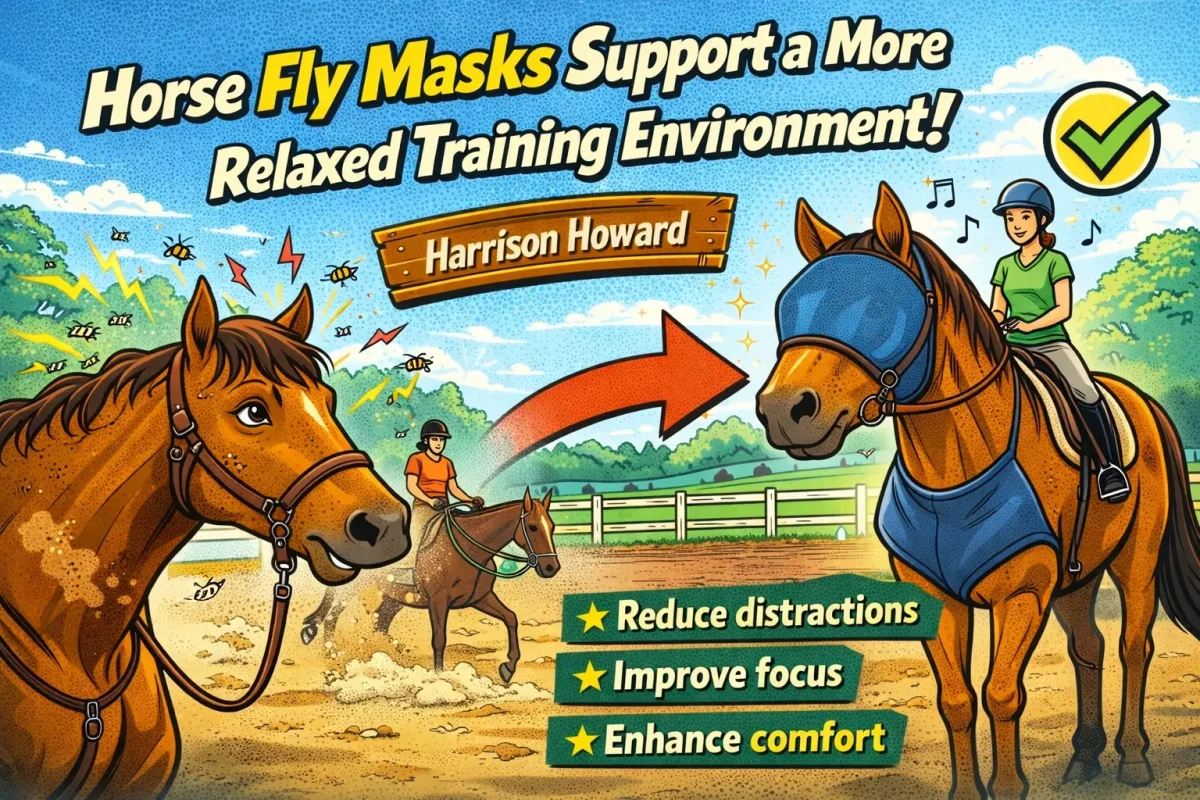
How Horse Fly Masks Support a More Relaxed Training Environment
Feb
A productive training session depends on more than just technique and consistency—it also relies heavily on the horse’s ability to stay calm, comfortable, and focused. Environmental distractions, especially around the head and eyes, can quickly disrupt that balance.
This is where a horse fly mask plays a subtle but important role. By reducing irritation and visual disturbances, fly masks help create a calmer training environment that allows horses to concentrate on cues rather than discomfort.
Distraction Is the Enemy of Relaxed Training
Horses are naturally alert animals. Small irritations—such as insects around the eyes, dust, or wind-blown debris—can cause head shaking, tension, or loss of focus during training.
In groundwork and riding alike, repeated distractions often lead to:
Reduced responsiveness
Increased tension through the neck and poll
Difficulty maintaining rhythm and relaxation
Minimizing these external stressors is a key part of building a relaxed and effective training environment.
How a Horse Fly Mask Reduces Sensory Stress
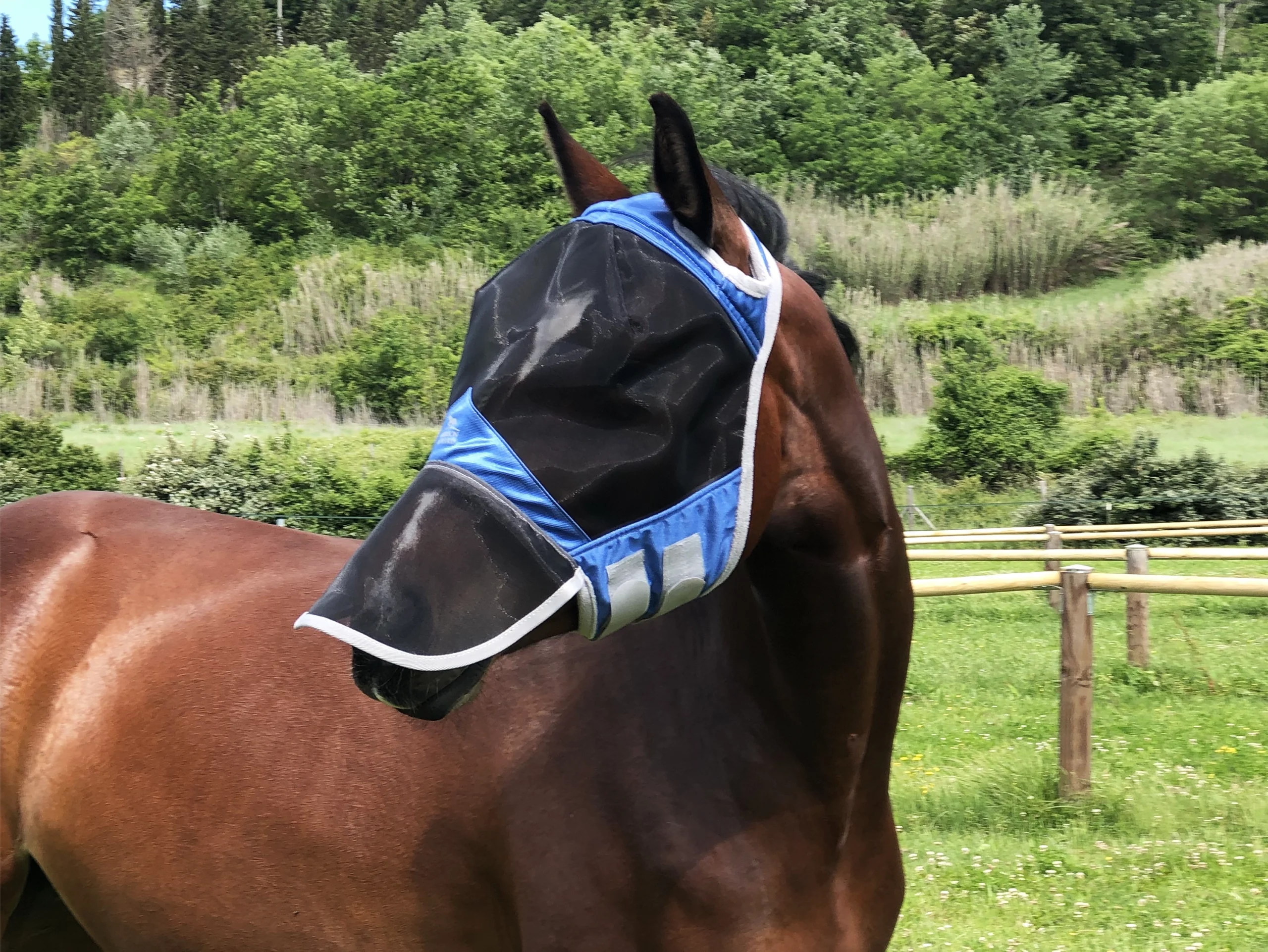
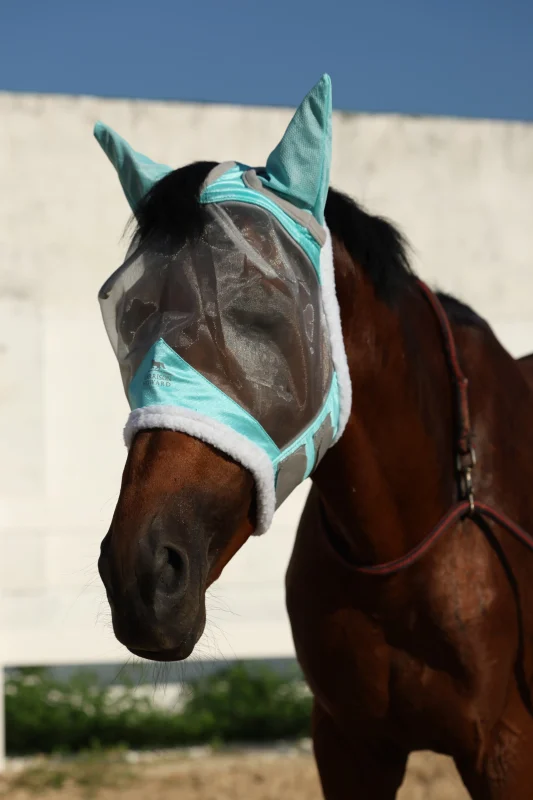
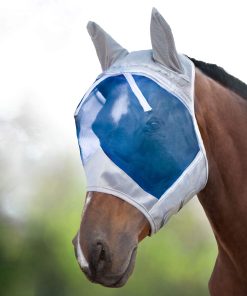
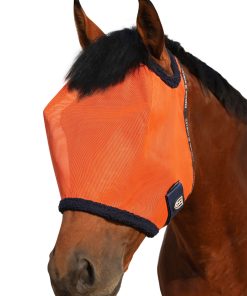
A horse fly mask creates a protective barrier around the eyes and face, helping block insects and airborne debris that commonly cause irritation. Many designs also slightly soften visual input without obstructing vision, which can help some horses feel more settled.
This aligns with general understanding of horse behavior, where reducing unnecessary stimuli supports relaxation and learning.
For a broader overview of how comfort and handling affect horses, see:
https://en.wikipedia.org/wiki/Horse_behavior
When the horse is less preoccupied with external discomfort, it becomes easier for them to stay mentally present during training.
Supporting Focus During Groundwork and Riding
Relaxation is the foundation of effective training. Whether you’re working in-hand, lunging, or riding, a calm horse is more receptive to clear pressure-and-release cues.
By limiting irritation around the face, a horse fly mask can help:
-
Reduce head tossing or rubbing
-
Encourage steadier attention
-
Support consistent rhythm and contact
This doesn’t mean a fly mask replaces good training practices—but it can remove obstacles that interfere with them.
Comfort as Part of Responsible Training
Modern horsemanship increasingly emphasizes comfort, clarity, and appropriate equipment use. Established equestrian organizations consistently highlight the importance of matching gear to its purpose as part of responsible horse care and training.
General guidance on horse comfort and daily care can be found through the British Horse Society, which emphasizes reducing unnecessary sources of stress in routine handling and equipment use:
https://www.bhs.org.uk/advice-and-information/horse-care/
A fly mask fits naturally into this approach when used thoughtfully and appropriately.
When a Fly Mask Is Most Helpful in Training
A horse fly mask may be especially beneficial during:
-
Groundwork sessions where focus is essential
-
Light riding or flatwork
-
Warm-up periods before more demanding work
-
Training environments with frequent insects or dust
Used correctly, it becomes part of a supportive setup rather than a distraction.
Choosing a Fly Mask That Supports Training
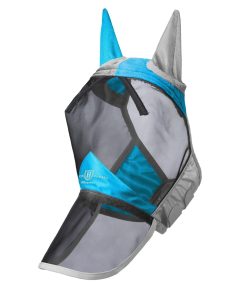
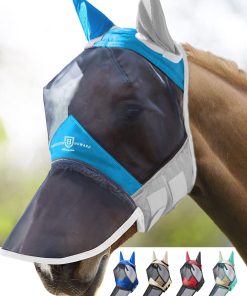
For training use, a fly mask should:
-
Fit securely without pressing on the eyes
-
Allow full, unobstructed vision
-
Use breathable, lightweight materials
-
Stay stable during movement
Poorly fitted masks can create new distractions, so correct sizing and design matter.
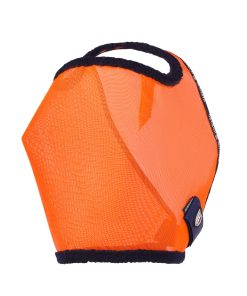
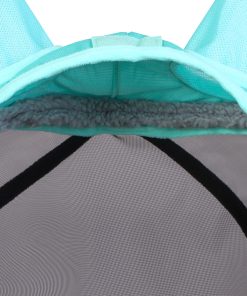
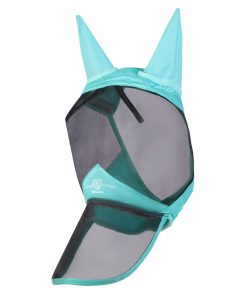
👉 Explore Harrison Howard horse fly masks designed for comfort and stability




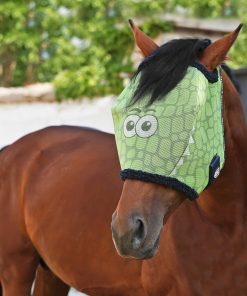
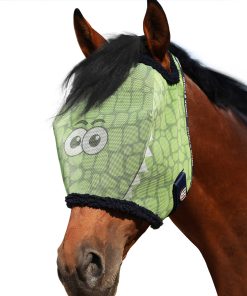
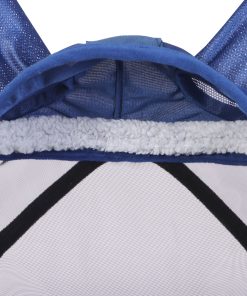
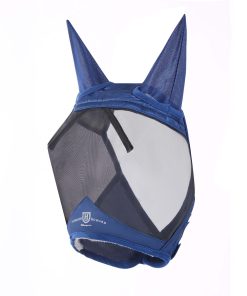
Integrating Fly Masks Into a Training Routine
A fly mask should be seen as a supportive tool, not a shortcut. Combined with good timing, clear cues, and consistent handling, it helps create an environment where the horse can focus on learning rather than reacting.
Regular checks should always be part of the routine—ensuring the mask remains clean, properly positioned, and comfortable.
Final Thoughts: Relaxation Starts With Comfort
A relaxed training environment doesn’t happen by accident. It’s built through thoughtful management, clear communication, and attention to the horse’s physical comfort.
By reducing distractions and supporting calm focus, a horse fly mask can play a valuable role in helping horses stay relaxed, attentive, and ready to learn—making training sessions more productive for both horse and rider.
FAQ: Horse Fly Masks and Training
1. Can a horse wear a fly mask during training?
Yes, as long as the mask fits properly and does not interfere with vision or movement, it can support comfort during certain training sessions.
2. Do fly masks calm horses?
Fly masks don’t sedate horses, but by reducing irritation and distractions, they can help some horses feel more settled.
3. Should a fly mask be used for every ride?
Not necessarily. Fly masks are best used when environmental factors may interfere with focus or comfort.
read more

The Different Types of Horse Fly Masks and Their Benefits
Learn about the different types of horse fly masks available, how they benefit horses with [...]
Feb

Can a Horse Fly Mask Help Horses With Eye Conditions?
A horse fly mask can support comfort for horses with eye conditions by reducing irritation [...]
Feb
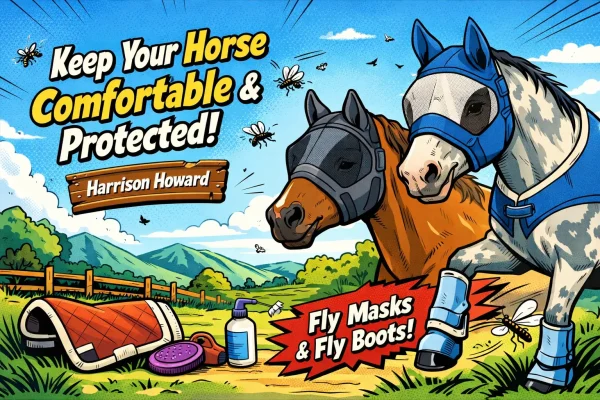
How to Keep Your Horse Comfortable and Protected: Essential Gear and Tips
Explore how to maintain your horse's comfort and protection with the right gear. Learn how [...]
Feb

Why Fly Masks for Horses Are Crucial for Comfort and Health
Learn why fly masks for horses are an essential tool for protecting your horse from [...]
Jan

7 Essential Tips for Choosing the Right Fly Mask for Your Horse
Choosing the right fly mask for your horse is essential for comfort and protection. Learn [...]
Jan
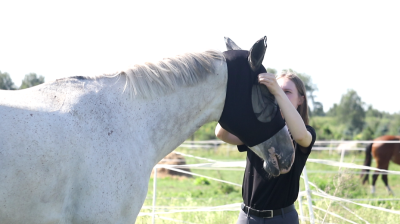
A Day in My Fly Mask (Told by a Very Honest Horse 🐴)
Good morning, human. You probably think this thing on my face is a fashion accessory.You [...]
Nov
