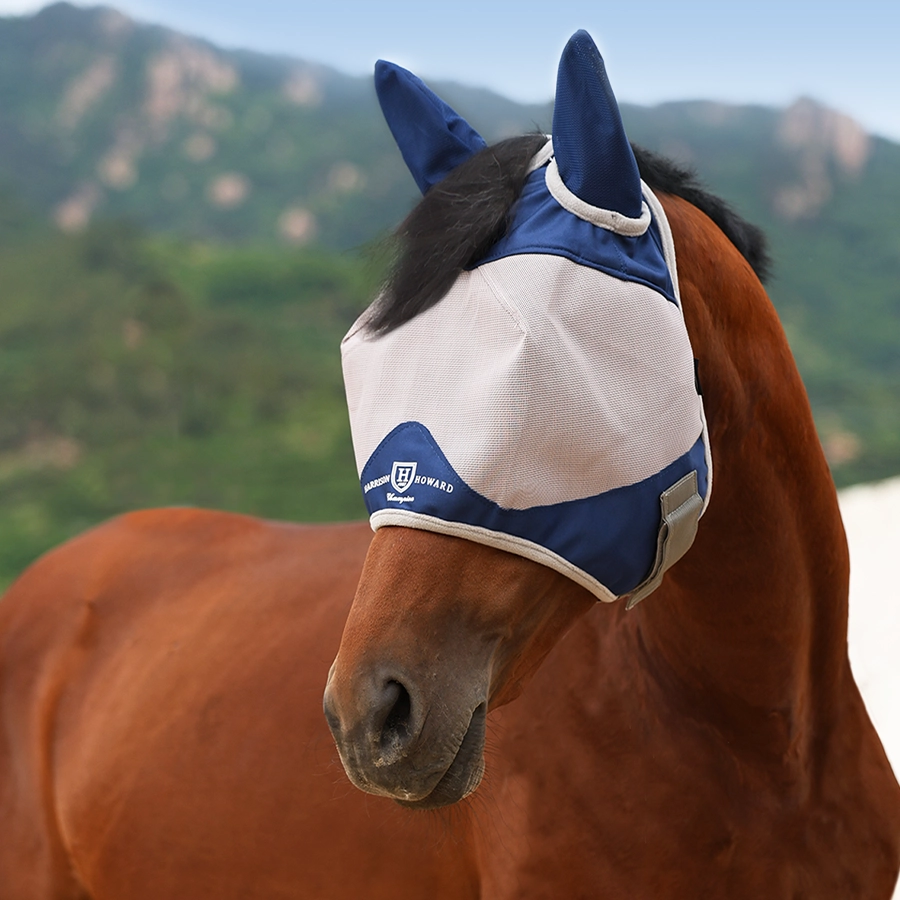
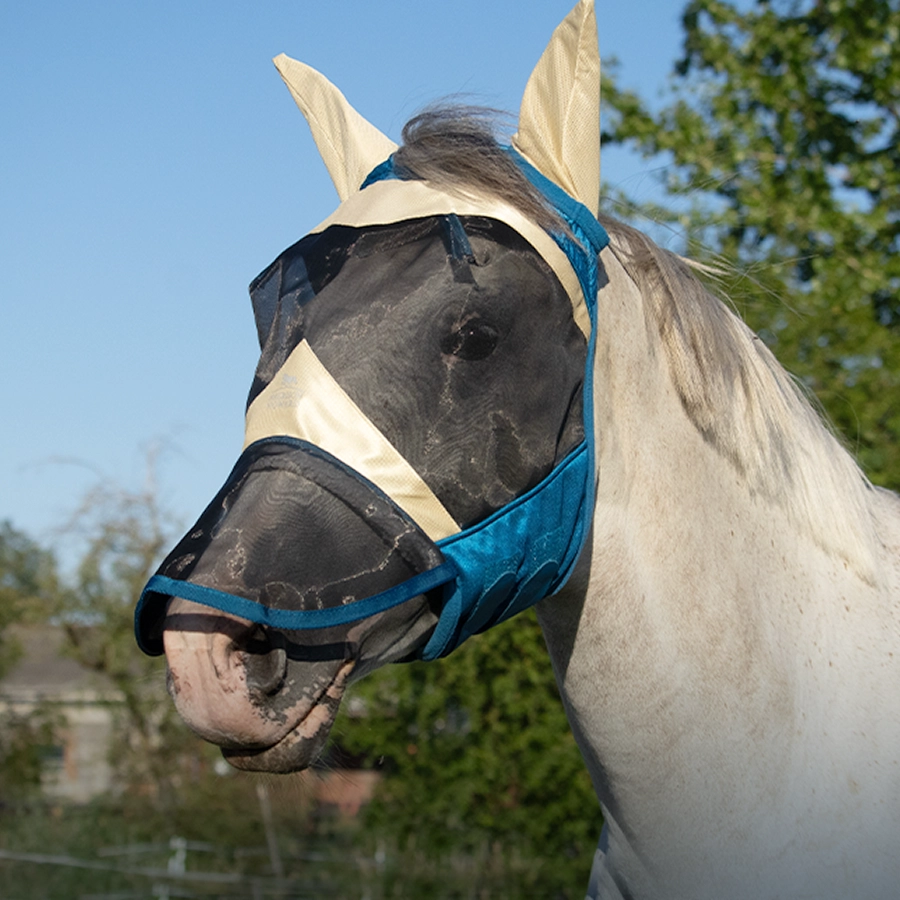
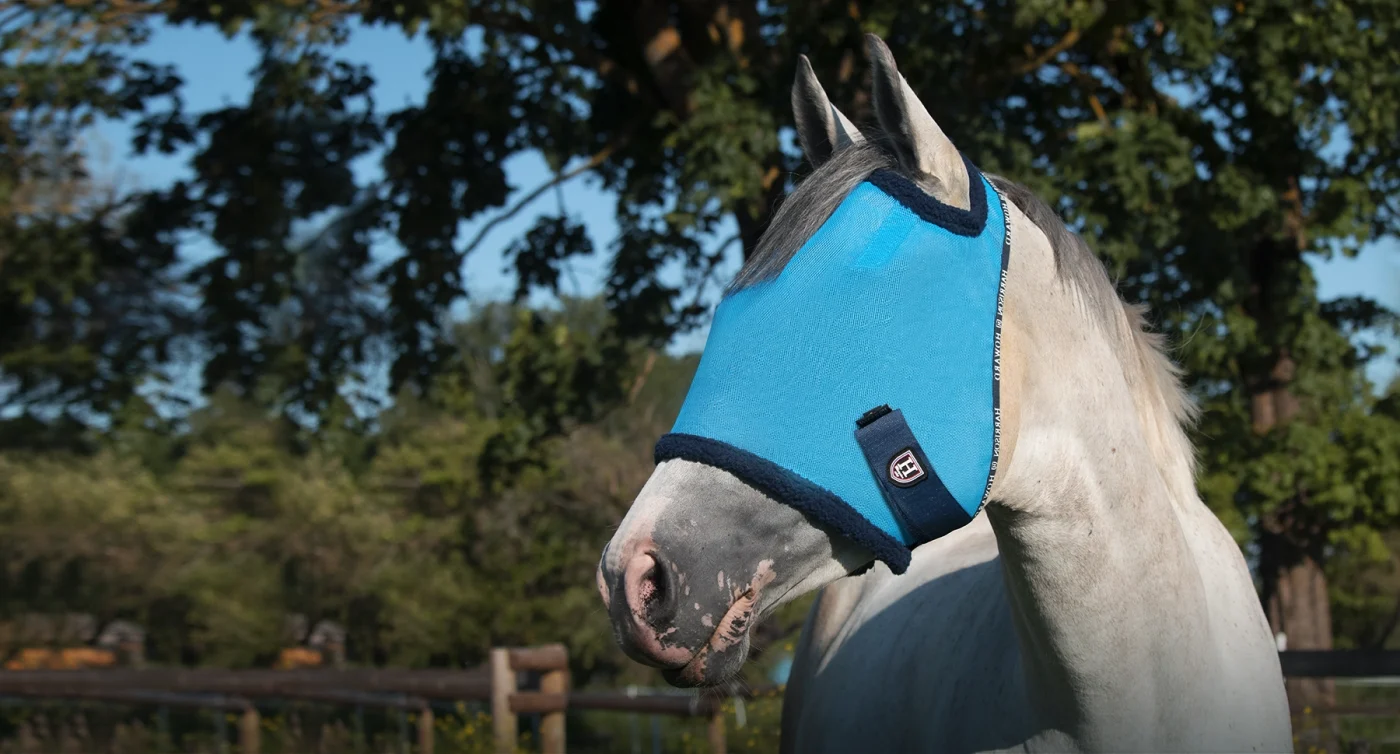
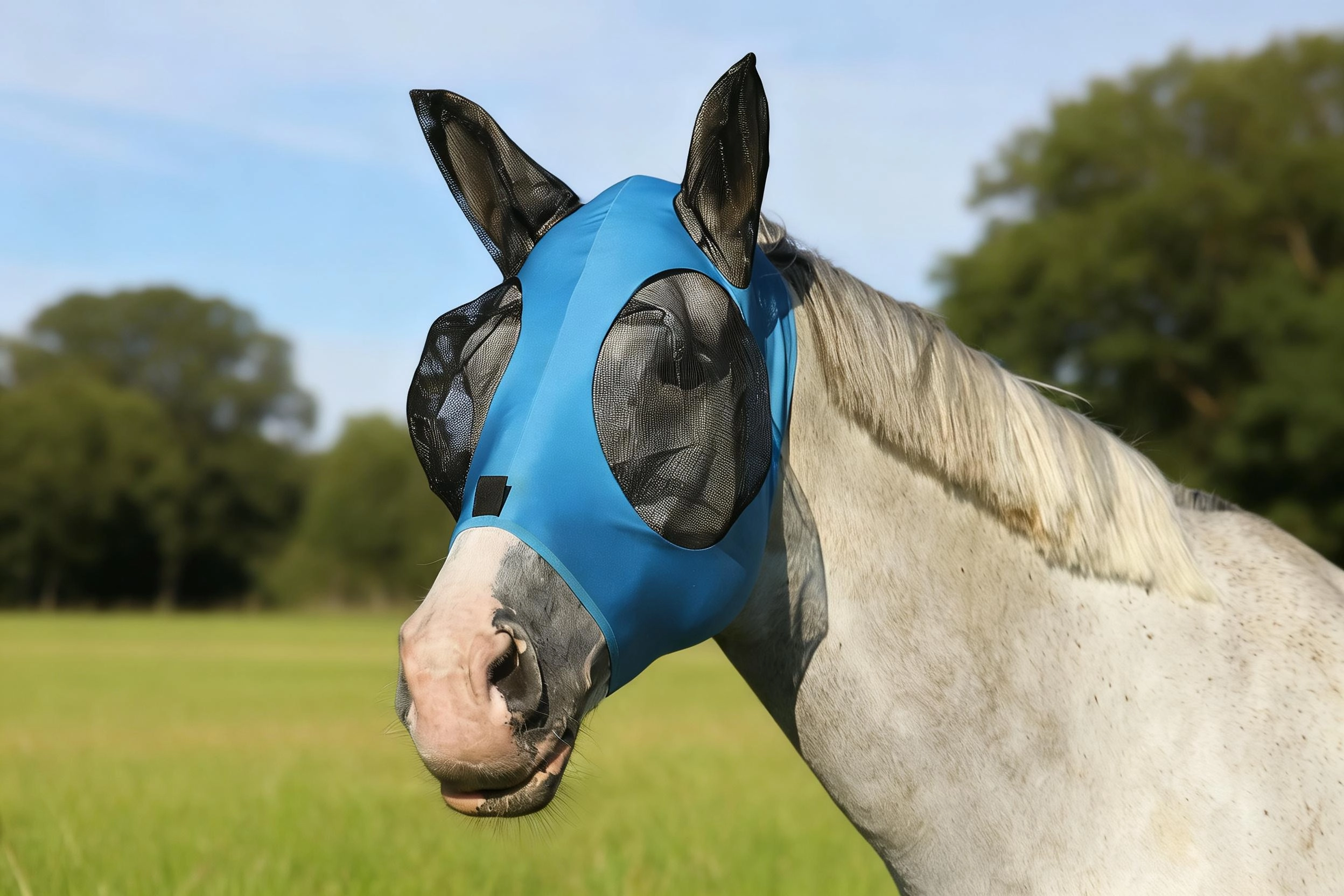
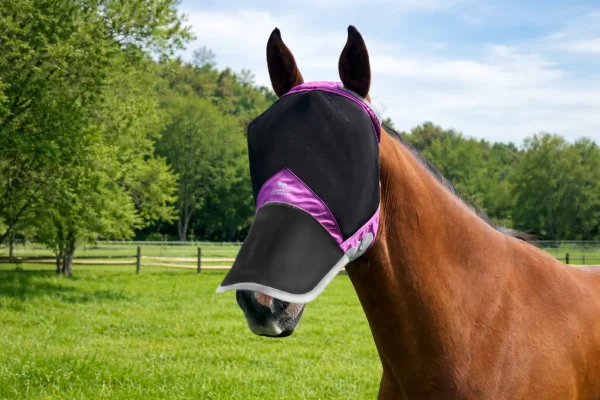
1. What is the main function of a horse fly mask?
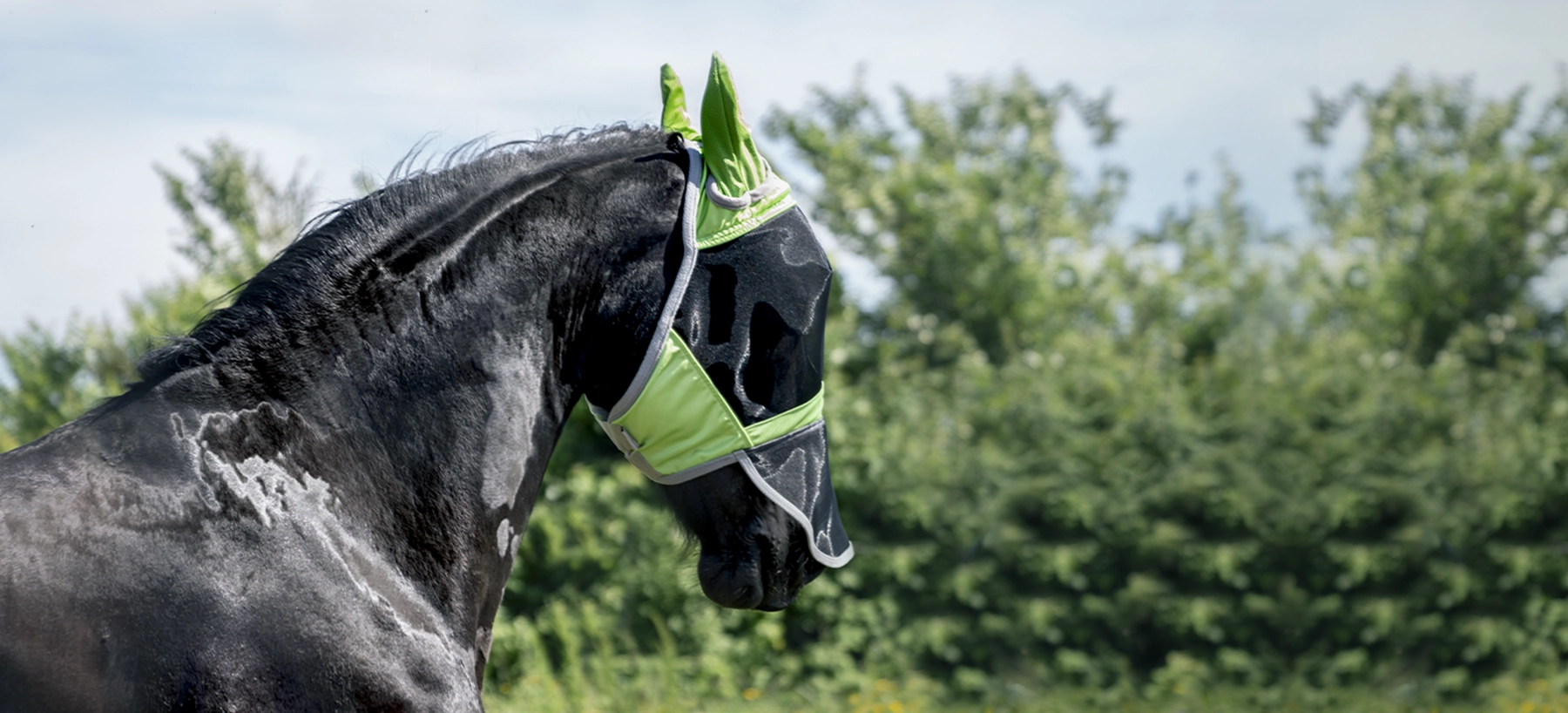
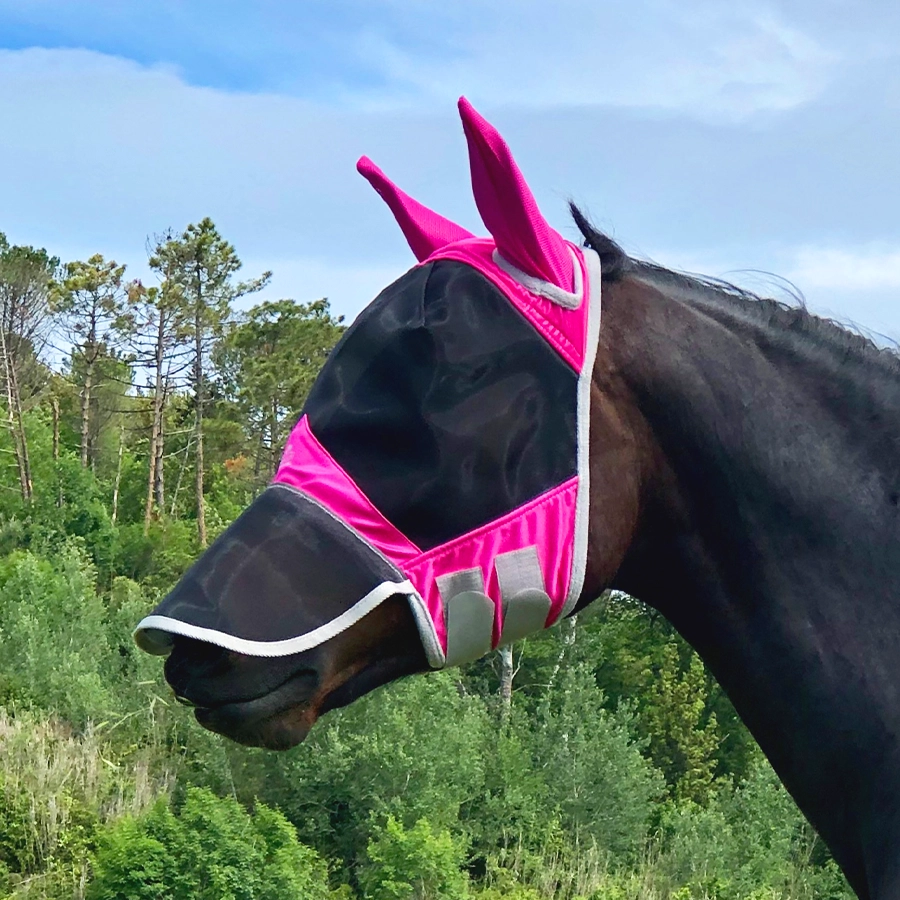
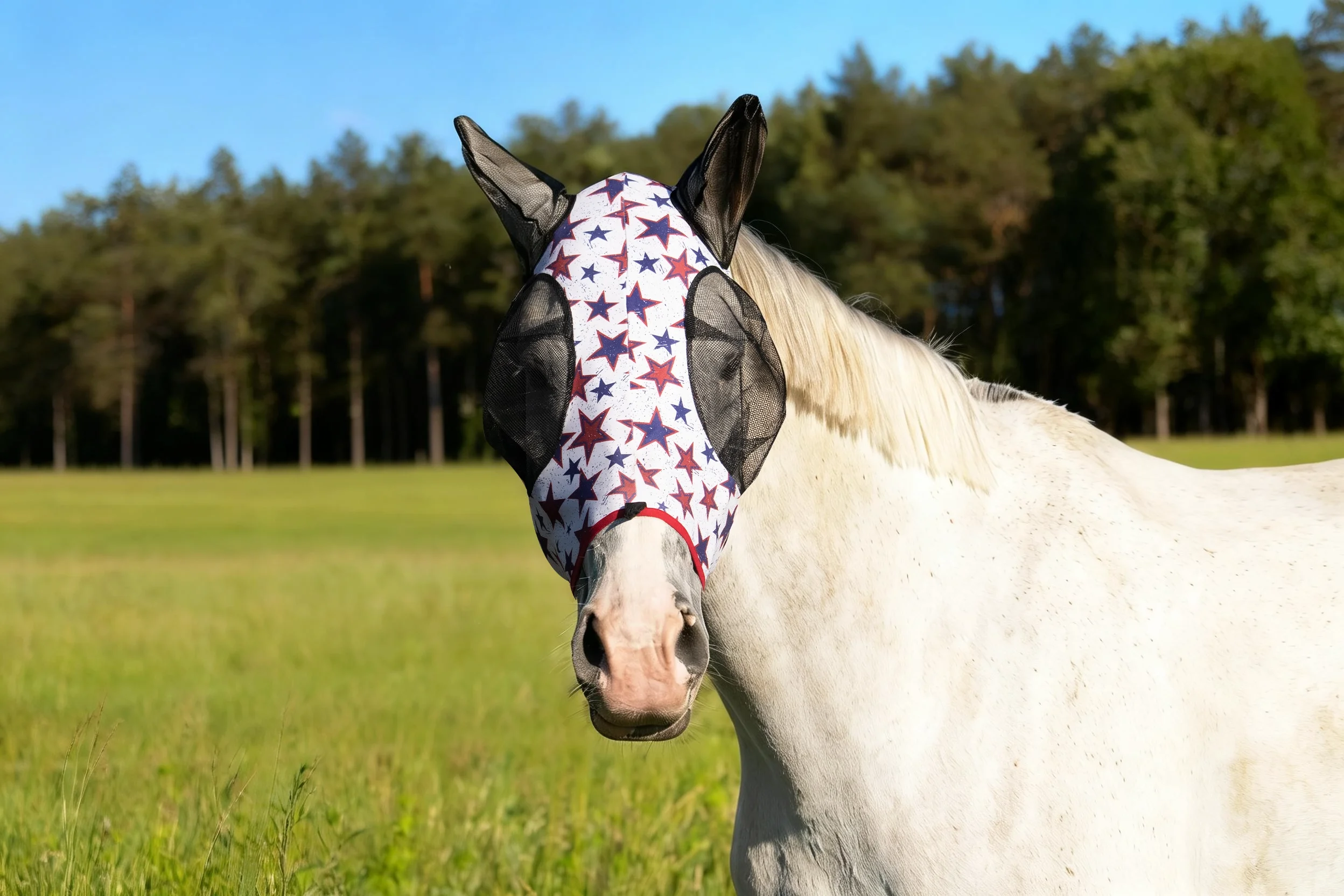
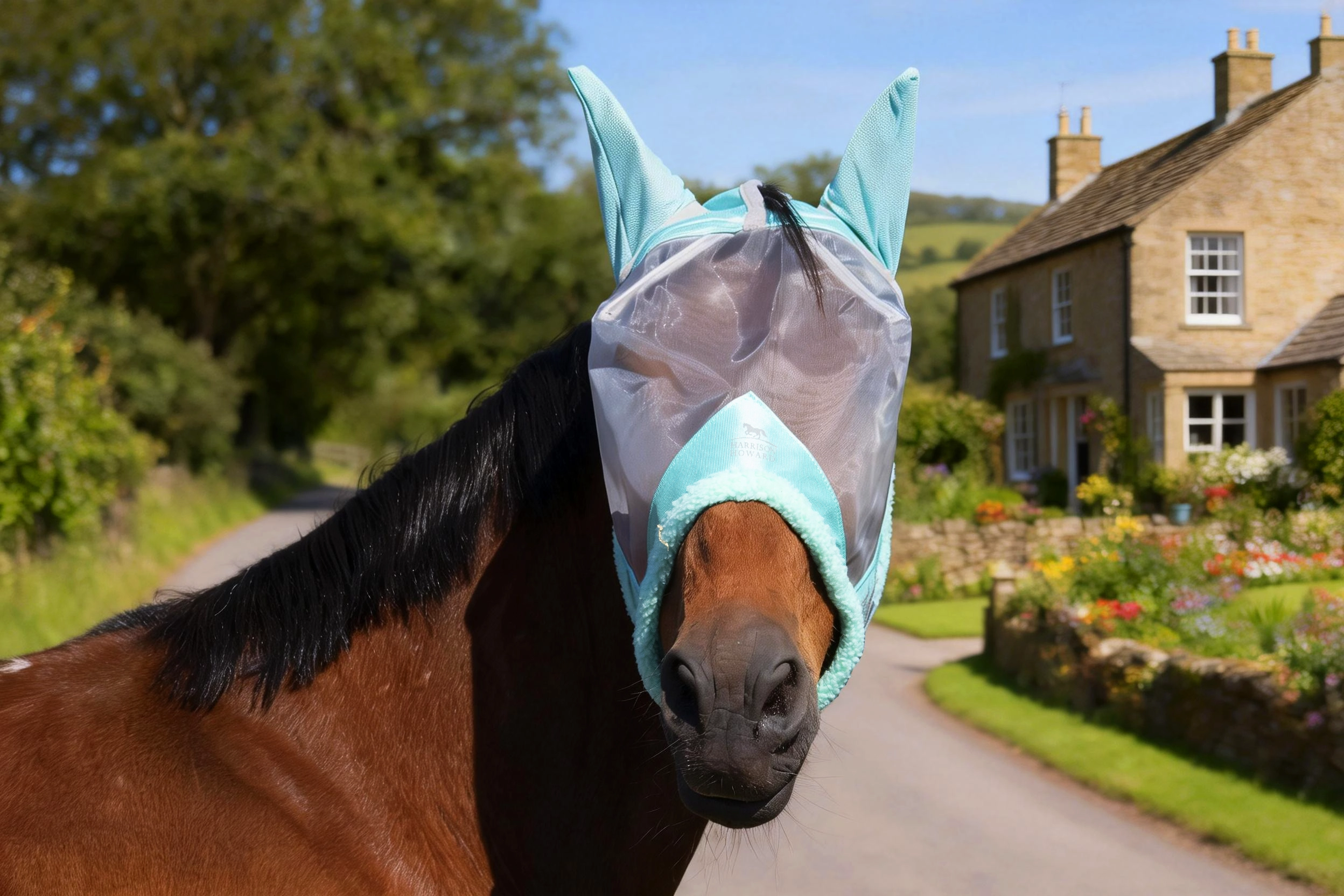
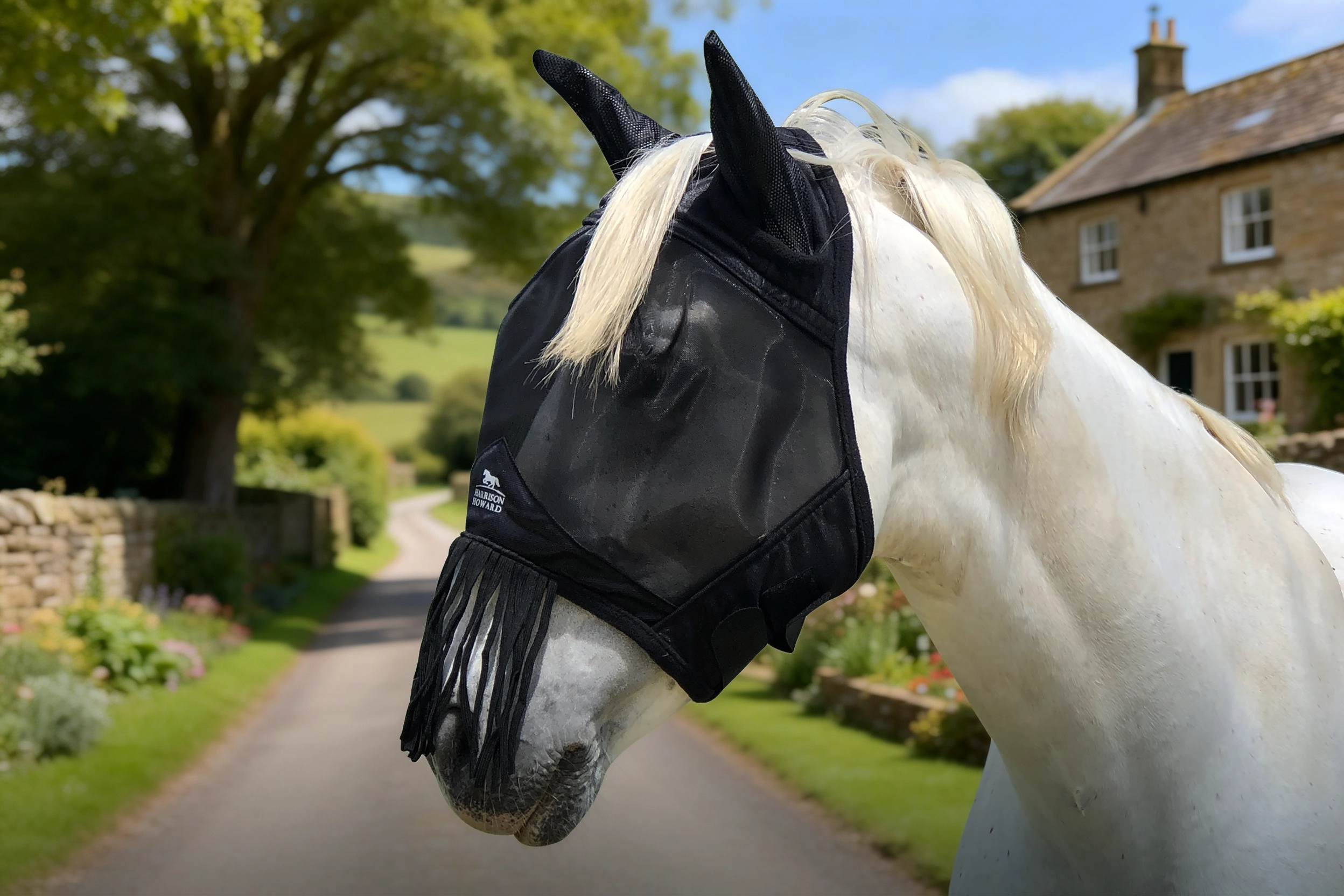
The primary function of a horse fly mask is to protect horses from flying insects like flies and mosquitoes. It helps reduce discomfort, allergies, or infections caused by insect bites and shields the horse’s sensitive eyes and ears.
2. How do I choose the right fly mask for my horse?
When selecting a fly mask, consider the size of your horse’s head, the shape of their face, and whether they have specific needs, such as allergies to certain materials. Make sure the mask fits properly and effectively covers the eyes, ears, and face while ensuring breathability.
3. Will a fly mask cause discomfort for my horse?
High-quality fly masks are designed to be breathable and lightweight, ensuring that horses are comfortable while wearing them. The breathable mesh material allows air to circulate, keeping the horse cool. Most horses adapt to wearing the fly mask, especially once they get used to it.
4. How often should I replace my horse’s fly mask?
The frequency of replacement depends on the condition and usage of the fly mask. It’s recommended to check the mask at least once a year. If it shows signs of damage, wear and tear, or loss of elasticity, it’s time to replace it. A well-made fly mask can last through multiple seasons.
5. How do I clean and maintain a horse fly mask?
Horse fly masks can be hand-washed or machine-washed (depending on the material). Use a mild detergent and avoid harsh chemical cleaners. After washing, ensure the mask is fully dry before using it again. Regularly check the mask for any damage or loosening of parts.
6. Can my horse wear a fly mask all day?
While fly masks are effective in protecting horses from flies, it’s not recommended for a horse to wear one all day. Prolonged wear may cause rubbing or overheating. It’s best to use the fly mask when the horse is outdoors or in environments with a high presence of insects, and allow the horse to rest without it at other times.
7. Will a fly mask obstruct my horse’s vision?
Well-designed fly masks should not obstruct a horse’s vision. The mesh material is usually transparent, allowing the horse to see clearly while being protected from insects. Make sure to choose the right size and style to avoid blocking the horse’s line of sight.