






Horse Care & Stable Life
Why the Way Your Horse Eats Hay Matters More Than You Think
Dec
click here to explore slow feeding
Feeding hay feels like one of the simplest parts of horse care.
Put hay in the stall or paddock, step back, and let your horse do the rest—right?
In reality, how a horse eats hay can have a significant impact on digestion, dental health, posture, behavior, and even long-term soundness. This is why veterinarians, equine nutritionists, and welfare organizations increasingly emphasize feeding method, not just forage quality.
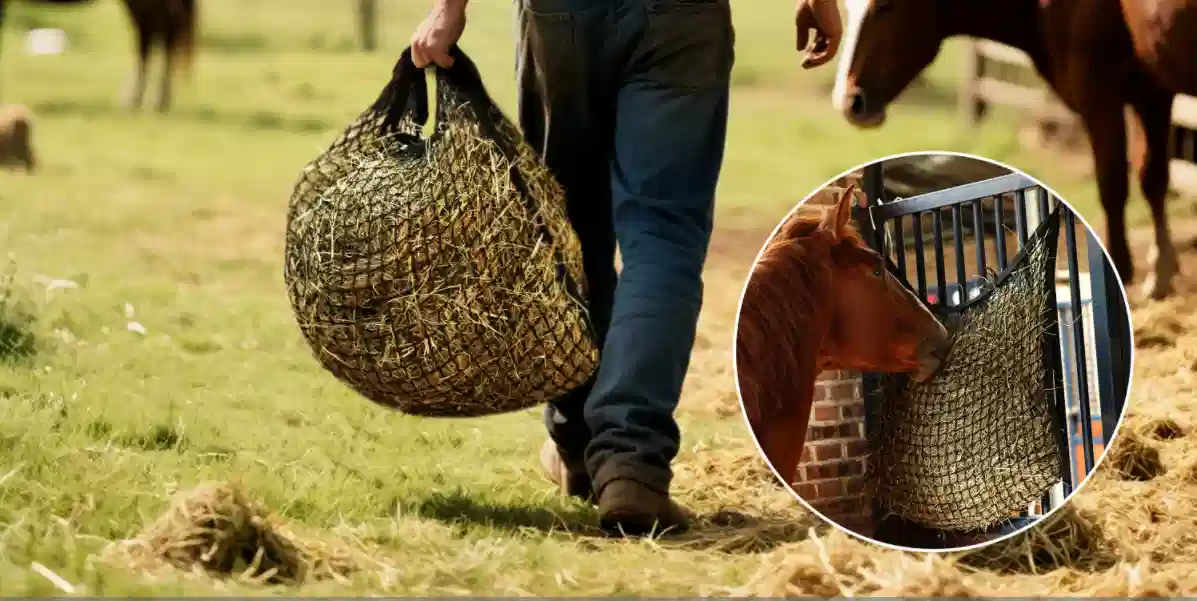
Let’s take a closer look at the science behind natural grazing—and why tools like hay nets play a bigger role than many riders realize. This is why feeding tools like slow feed hay nets for horses are increasingly recommended by veterinarians and equine nutritionists.
Horses Are Designed to Eat Slowly
In a natural setting, horses graze 12–18 hours a day, taking small bites almost constantly. This steady intake supports several critical functions:
-
Continuous saliva production, which buffers stomach acid
-
Stable gut motility and microbial balance
-
Reduced risk of gastric ulcers
-
Lower stress and fewer boredom-related behaviors
When hay is fed loose on the ground or in large piles, many horses finish their forage far too quickly—sometimes in under an hour—then stand empty for long periods. This feast-and-famine cycle doesn’t match their biology.
The Digestive Consequences of Fast Hay Intake
Rapid hay consumption can contribute to:
-
Increased risk of gastric ulcers
-
Hindgut imbalance
-
Spikes in insulin response (especially in easy keepers)
-
Frustration, weaving, or stall vices once hay is gone
From a welfare perspective, longer eating time is almost always better, even when total hay intake stays the same.
How Hay Nets Support More Natural Feeding
A well-designed slow feed hay net, especially a slow-feed style, helps recreate the horse’s natural grazing rhythm.
By limiting bite size, hay nets:
-
Extend eating time without reducing forage quantity
-
Encourage steady chewing and saliva production
-
Reduce boredom during stall rest or turnout
-
Help maintain a healthier digestive environment
Research and veterinary guidance consistently support slow feeding as a practical way to improve equine gut health—particularly for horses kept in stables or dry lots.


Posture, Movement, and Safety Matter Too
Not all hay nets are created equal.
Placement and construction influence:
-
Neck and topline posture
-
Shoulder freedom
-
Risk of entanglement or uneven wear
Modern hay nets are designed with durable materials, controlled hole sizing, and reinforced construction to balance safety with effectiveness. When positioned correctly, they encourage a more natural head-and-neck angle while keeping hay clean and contained.
When a Hay Net Makes the Most Sense
Slow feed hay nets are especially useful for:
-
Horses prone to ulcers or digestive sensitivity
-
Easy keepers needing intake control
-
Horses on stall rest
-
Barns aiming to reduce hay waste
-
Multi-horse environments where feeding time varies
In these situations, a thoughtfully designed hay net isn’t a convenience—it’s a management tool.
Small Changes, Lasting Impact
Horse care doesn’t always require dramatic changes. Sometimes, the most meaningful improvements come from small, informed choices that align with how horses are naturally meant to live.
Choosing the right hay net helps support digestion, mental well-being, and daily comfort—quietly, consistently, and effectively.
Because when horses eat better, everything else tends to follow.
FAQs
Yes. Slow feed hay nets help extend eating time, encourage steady chewing, and support healthier digestion by mimicking a horse’s natural grazing behavior.
While it varies by horse and hay type, slow feed hay nets typically increase eating time significantly compared to loose hay, helping reduce long periods without forage.
Yes. By keeping horses engaged for longer periods, hay nets can help reduce boredom, frustration, and some stall-related behaviors, especially during stall rest or limited turnout.
Extended Reads
A Calm Stable Starts with Routine
Daily stable routines shape more than just a schedule—they influence digestion, behavior, and overall well-being. [...]
Jan
A Comprehensive Guide to Selecting the Ideal Slow-Feeding Hay Bag
Slow-feeding hay bags have revolutionized the way many horse owners feed their equine companions. By [...]
Jun

Understanding Equine Nutrition: Essential Guidelines for a Healthy Diet
Proper nutrition plays a crucial role in maintaining a horse’s overall health, performance, and longevity. [...]
Jun
