





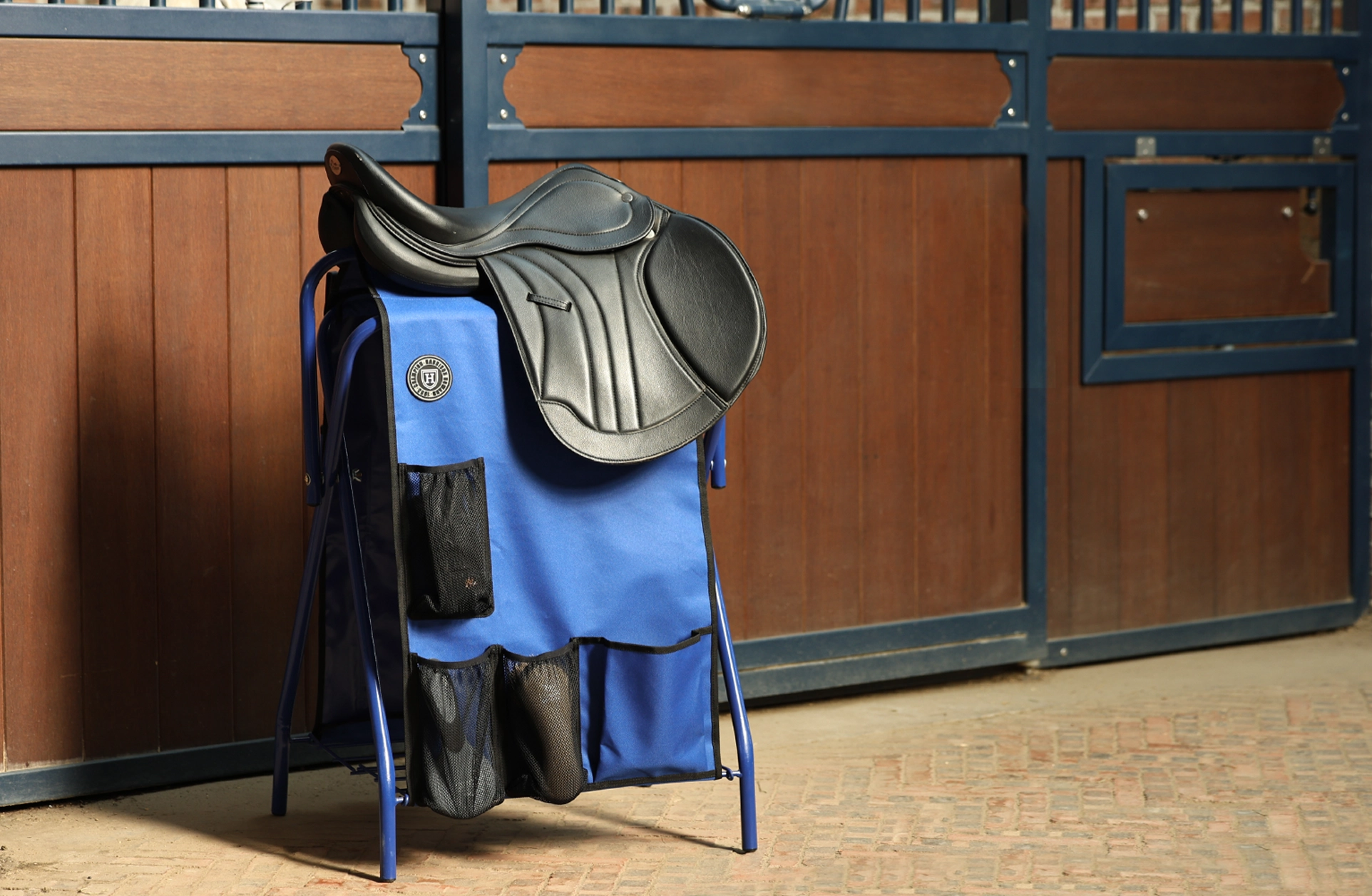
Training & Riding Tips
7 Training and Riding Tips to Improve Balance, Confidence, and Performance

Jan
Great riding is built on rhythm, balance, timing, and consistency—not force. Whether you’re schooling on the flat, jumping courses, or developing a young horse, applying effective training and riding tips can make your sessions more productive while keeping your horse relaxed, sound, and willing.
Below are practical, real-world strategies that experienced riders and trainers rely on every day.
1. Prioritize Rhythm Before Asking for Speed or Power
One of the most important training and riding tips is to secure a steady rhythm before asking for more impulsion, extension, or collection.
A consistent tempo helps horses stay balanced and mentally calm.
Before asking your horse to move bigger or faster, make sure the gait remains regular, relaxed, and controlled.
2. Use Transitions to Improve Balance and Responsiveness
Frequent transitions—both between gaits and within the same gait—are one of the most effective tools for improving balance.
Transitions help horses:
-
Shift weight toward the hindquarters
-
Stay attentive to subtle aids
-
Develop better self-carriage
The British Horse Society highlights transitions as a key exercise for building control and coordination.
👉 British Horse Society riding advice
Keep transitions smooth and prepared, rather than abrupt, to maintain relaxation.
3. Support Your Horse’s Comfort to Improve Willingness
A comfortable horse learns faster and performs more willingly.
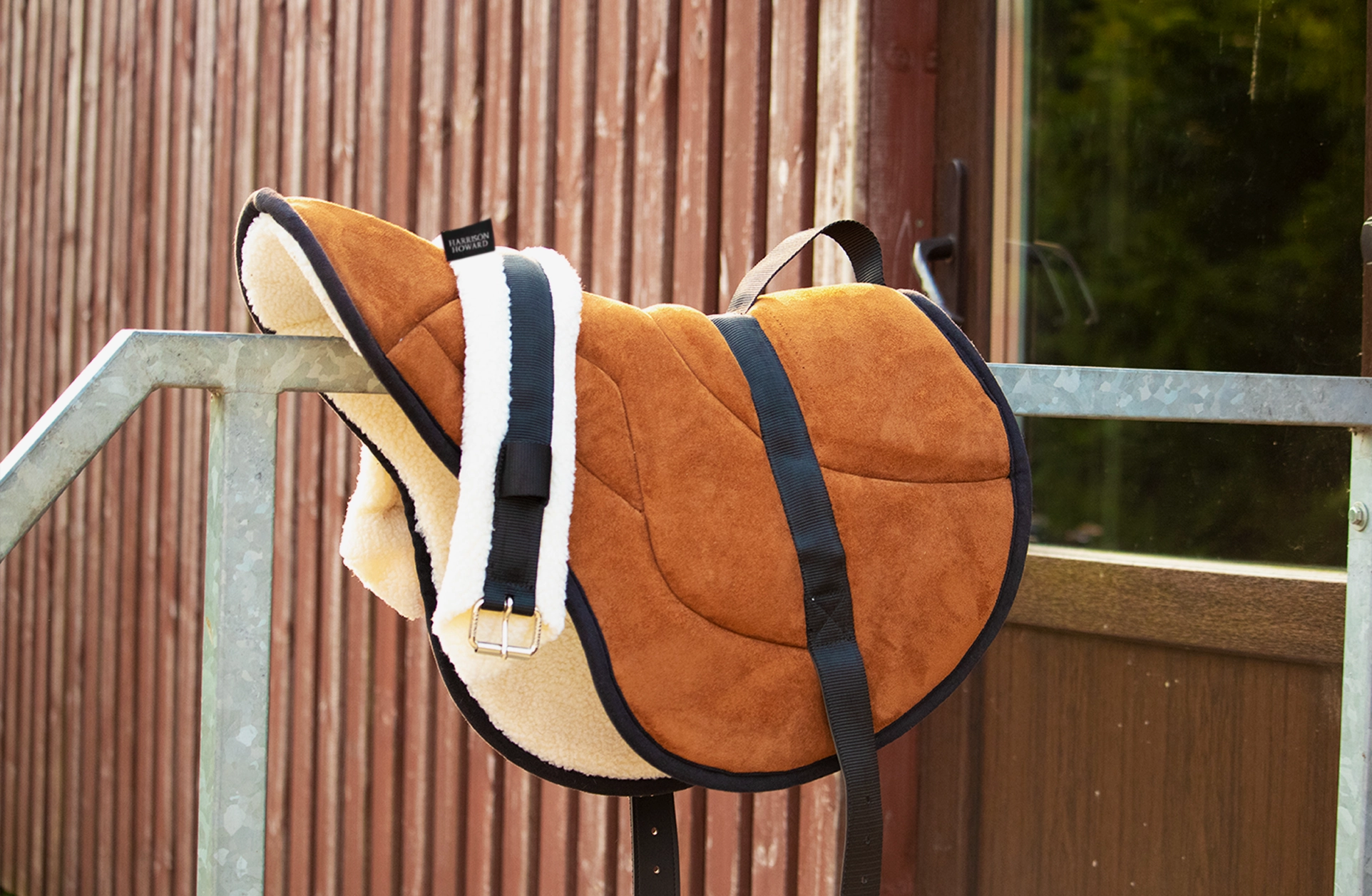
Using well-fitted saddle pads and half pads can help distribute pressure and reduce strain on the back during longer schooling sessions. Protective equipment such as horse boots, brushing boots, bell boots, and belly guards can also help minimize impact and accidental knocks.
👉 Explore Harrison Howard saddle pads
When horses feel physically supported, they are more likely to stay relaxed and cooperative throughout training.


4. Improve Your Seat Instead of Relying on the Reins
One of the most overlooked training and riding tips is developing an independent seat.
Rather than using the reins for balance, focus on:
-
Staying centered in the saddle
-
Allowing your hips to follow the horse’s movement
-
Keeping your hands quiet and elastic
Wearing supportive riding breeches, technical equestrian apparel, and riding gloves can improve comfort and grip, allowing you to focus more on position and feel.
👉 Discover Harrison Howard riding apparel
5. Protect Legs and Tack to Maintain Consistent Training
Soundness and safety play a major role in long-term progress.
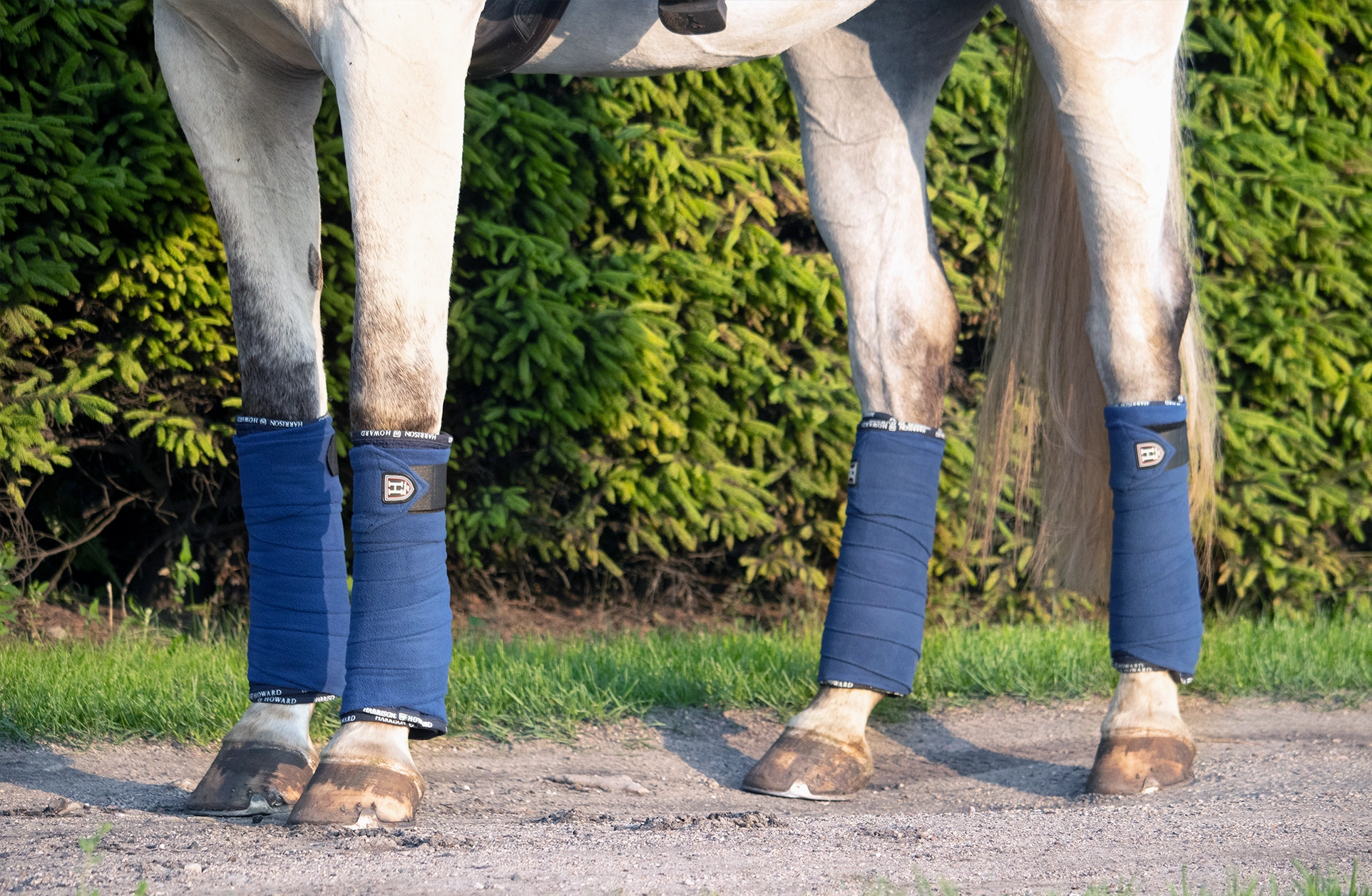
Regular use of tendon boots, fetlock boots, and overreach boots helps protect the horse’s legs during jumping, pole work, and more demanding flat sessions. Properly fitted breastplates and bridle setups also help maintain stable tack and clearer communication.
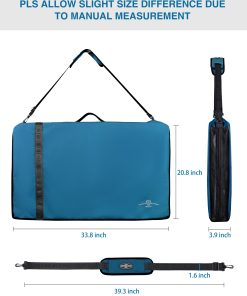
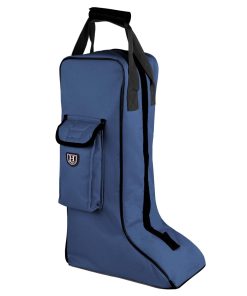
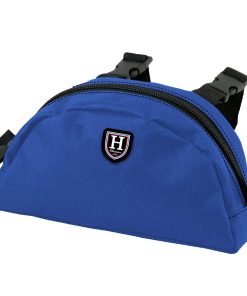
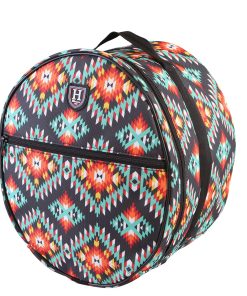
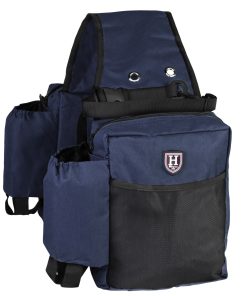
Taking care of your equipment off the horse matters too. Using boot bags, helmet bags, and bridle bags helps keep gear clean, organized, and ready for training.
👉 Shop Harrison Howard tack bags and storage








6. Keep Sessions Short, Focused, and Purposeful
One of the most effective training and riding tips is to prioritize quality over duration.
Rather than riding longer, aim to:
-
Set one or two goals per session
-
End on a positive result
-
Avoid drilling the same movement repeatedly
Short, structured sessions often lead to better retention and less mental fatigue for both horse and rider.
7. Build Confidence Through Consistency and Fair Training
Confidence grows when horses understand what’s being asked and feel rewarded for trying.
The United States Equestrian Federation (USEF) emphasizes clear communication, rider balance, and ethical training as foundations for success.
Some of the best training and riding tips focus on:
-
Rewarding correct responses promptly
-
Keeping corrections calm and consistent
-
Allowing time for progress rather than forcing results
Don’t Forget Grooming: The Foundation of Every Ride
Proper grooming helps prevent skin irritation under tack, improves circulation, and allows riders to spot potential issues early.
Keeping essential horse grooming brushes and care tools on hand ensures your horse stays comfortable before and after every ride.
👉 Explore Harrison Howard grooming tools
FAQ
How often should I train my horse each week?
Most horses benefit from 4–6 balanced training sessions per week, with rest days or light hacking in between.
Can riding equipment really affect training progress?
Yes. While skill and consistency matter most, supportive tack, protective boots, and comfortable riding apparel can improve safety, comfort, and overall ride quality.
How long does it take to see improvement?
With focused practice, many riders begin noticing improvements within a few weeks—especially when sessions have clear goals.
What matters more: longer rides or better structure?
Better structure. Short, purposeful sessions are usually more effective than long, tiring ones.
Final Thoughts
The most successful riders don’t rush progress—they build it through rhythm, balance, fairness, and consistency. By applying proven training and riding tips, while supporting both horse and rider with well-chosen tack, protective equipment, and performance apparel, you can create a safer, more confident, and more effective training routine.
Progress isn’t about pushing harder. It’s about riding smarter.
read more

7 Training and Riding Tips to Improve Balance, Confidence, and Performance
These training and riding tips help riders improve balance, communication, and confidence while supporting horse [...]
Jan
Mastering the Basics: Essential Riding Tips for Every Equestrian
Mastering the basics of horseback riding is essential for every rider, whether you're a beginner [...]
Jan
