





Equestrian Knowledge & Education
Understanding the Horse’s Back: Why Proper Support Matters in Riding
Jan
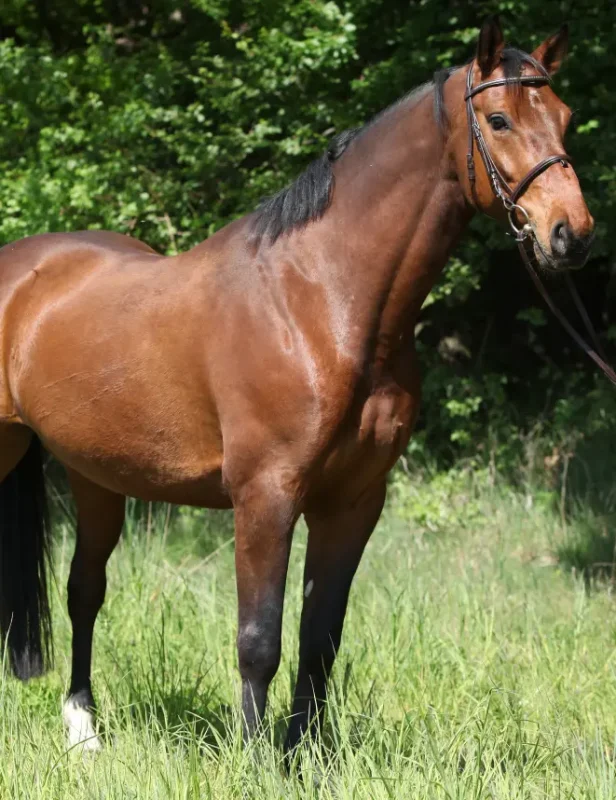
For many riders, the horse’s back is something we think about only when there’s a problem—soreness, resistance, or a sudden change in performance. In reality, the back plays a central role in every stride, transition, and movement a horse makes under saddle.
Understanding how the horse’s back functions helps riders make better decisions about training, equipment, and long-term soundness.
The Anatomy of the Horse’s Back
The horse’s back is not designed to carry weight in the way humans often assume. It consists of:
-
The thoracic and lumbar spine
-
Long back muscles responsible for movement and stability
-
Ligaments that support the spine and help transmit force
Unlike a rigid structure, the back is meant to lift, flex, and swing. When a horse moves correctly, the back rises to support the rider’s weight, allowing power from the hindquarters to travel forward efficiently.
To better understand how the horse’s back is structured and how muscles, bones, and joints work together during movement, veterinary reference materials provide a clear and reliable foundation for equestrian education.
👉 https://www.merckvetmanual.com/horse-owners/bone-joint-and-muscle-disorders-in-horses/components-of-the-musculoskeletal-system-of-horses
What Happens When Horse’s Back Is Restricted
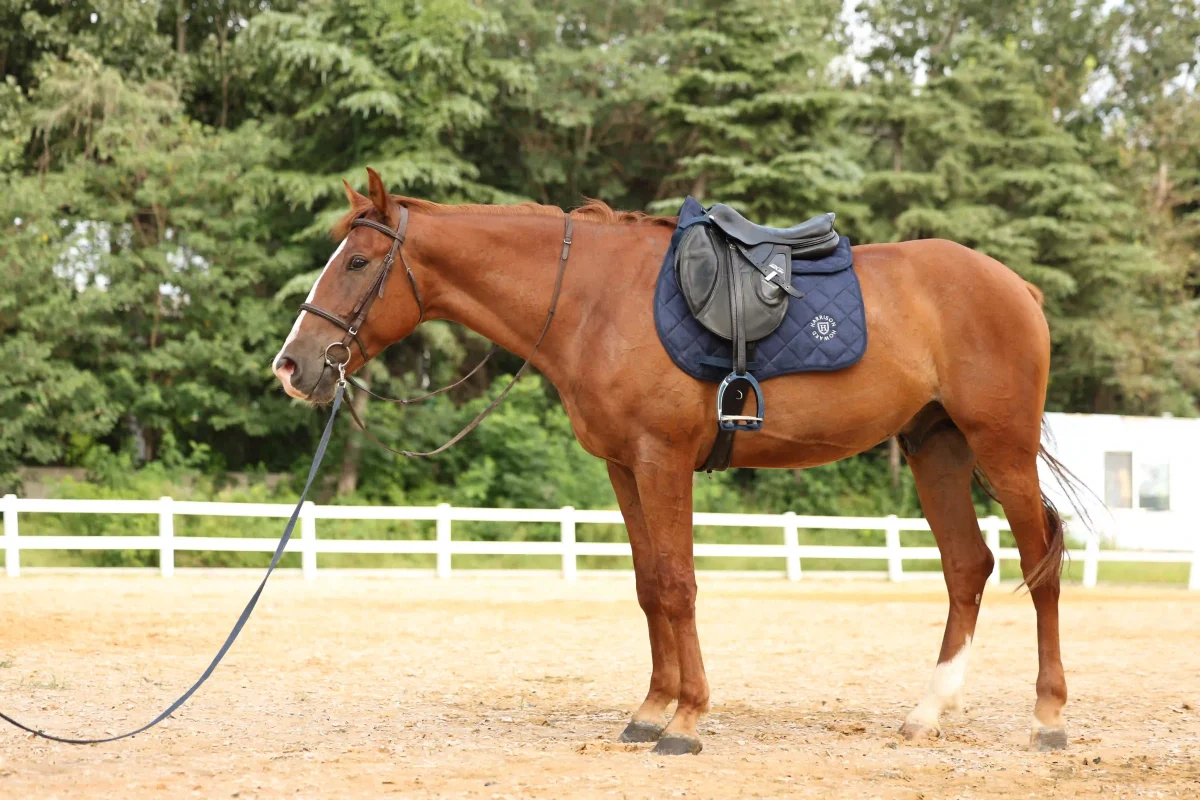
When the horse’s back cannot move freely—due to tension, discomfort, or uneven pressure—several issues may appear:
-
Shortened stride length
-
Hollowing or bracing through the topline
-
Resistance in transitions or contact
-
Difficulty engaging the hindquarters
Over time, chronic restriction can lead to muscle soreness or compensation elsewhere in the body.
Weight Distribution and Pressure Points
Every saddle places pressure on the horse’s back. Even a well-fitted saddle creates areas of higher and lower pressure depending on movement, rider balance, and workload.
When pressure is uneven or concentrated in small areas, it can interfere with:
-
Blood circulation to muscles
-
Normal muscle contraction and relaxation
-
The horse’s willingness to lift and round the back
Research-based insights show that saddle fit and pressure distribution play a critical role in back comfort, muscle function, and long-term soundness for ridden horses.
The Role of Supportive Equipment
While correct training and riding technique are fundamental, equipment also plays an important role in protecting the horse’s back.
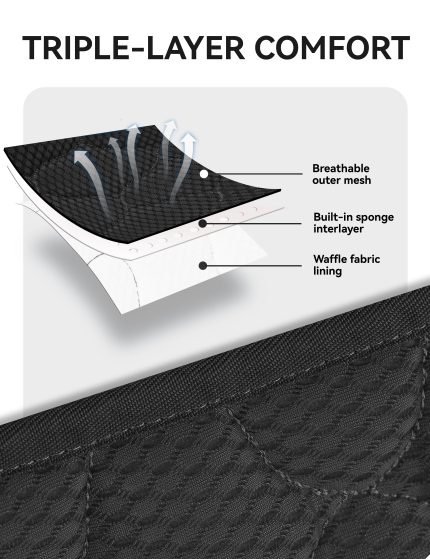
Supportive layers between the saddle and the horse help:
-
Cushion impact from the rider’s movement
-
Reduce localized pressure points
-
Manage heat and moisture during work
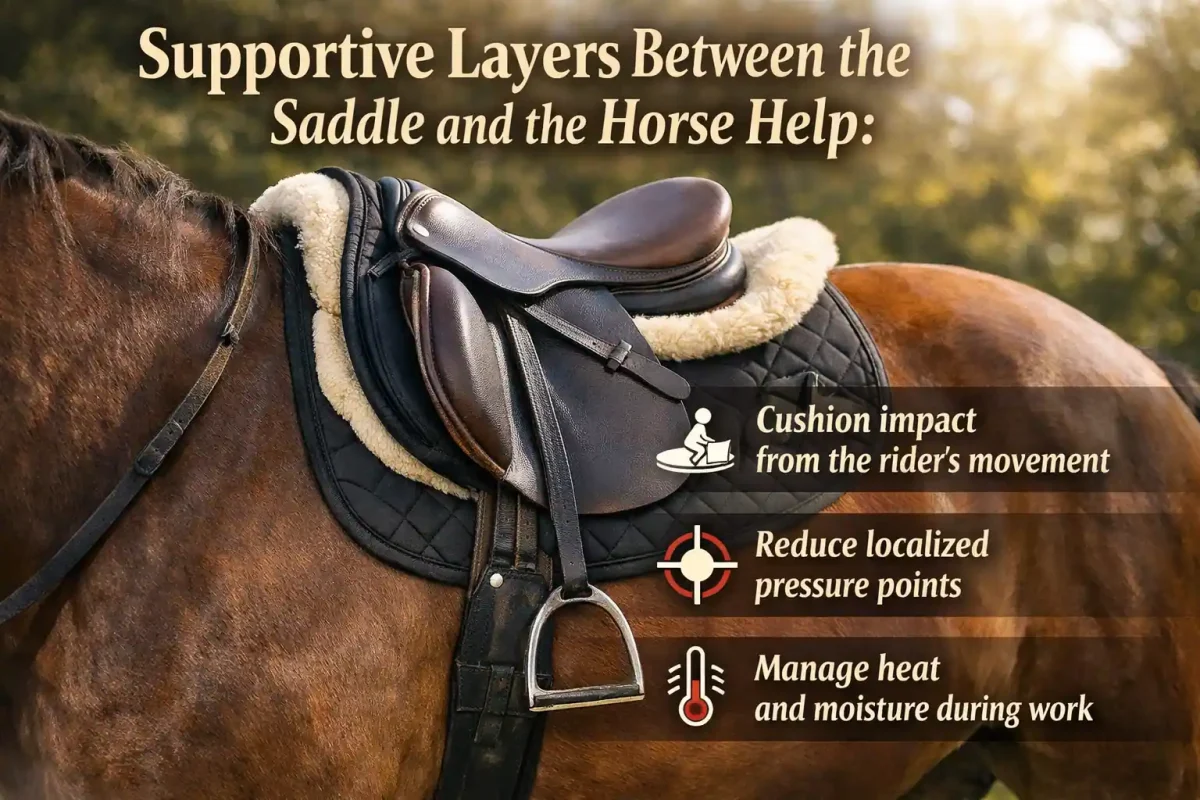
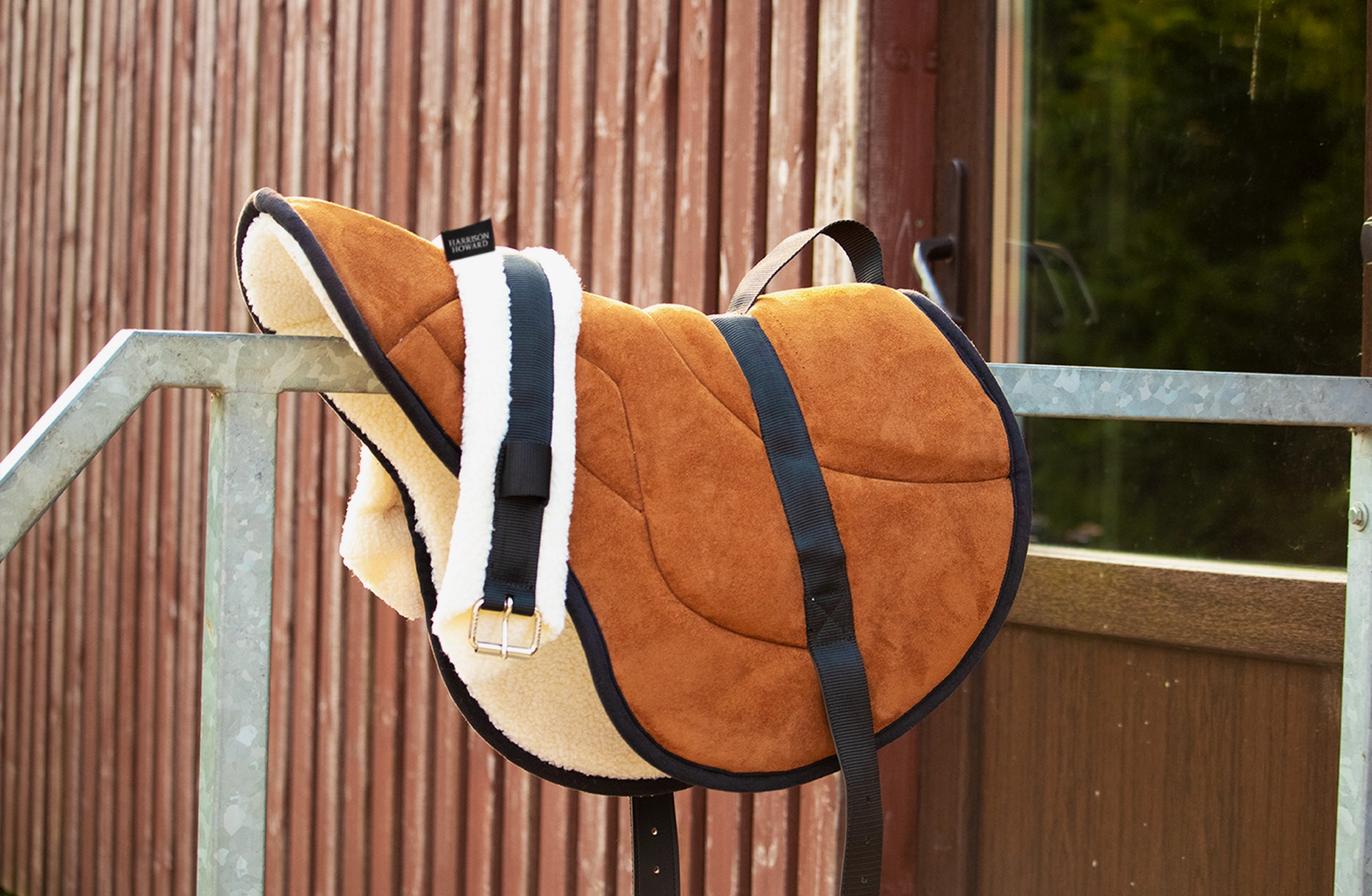
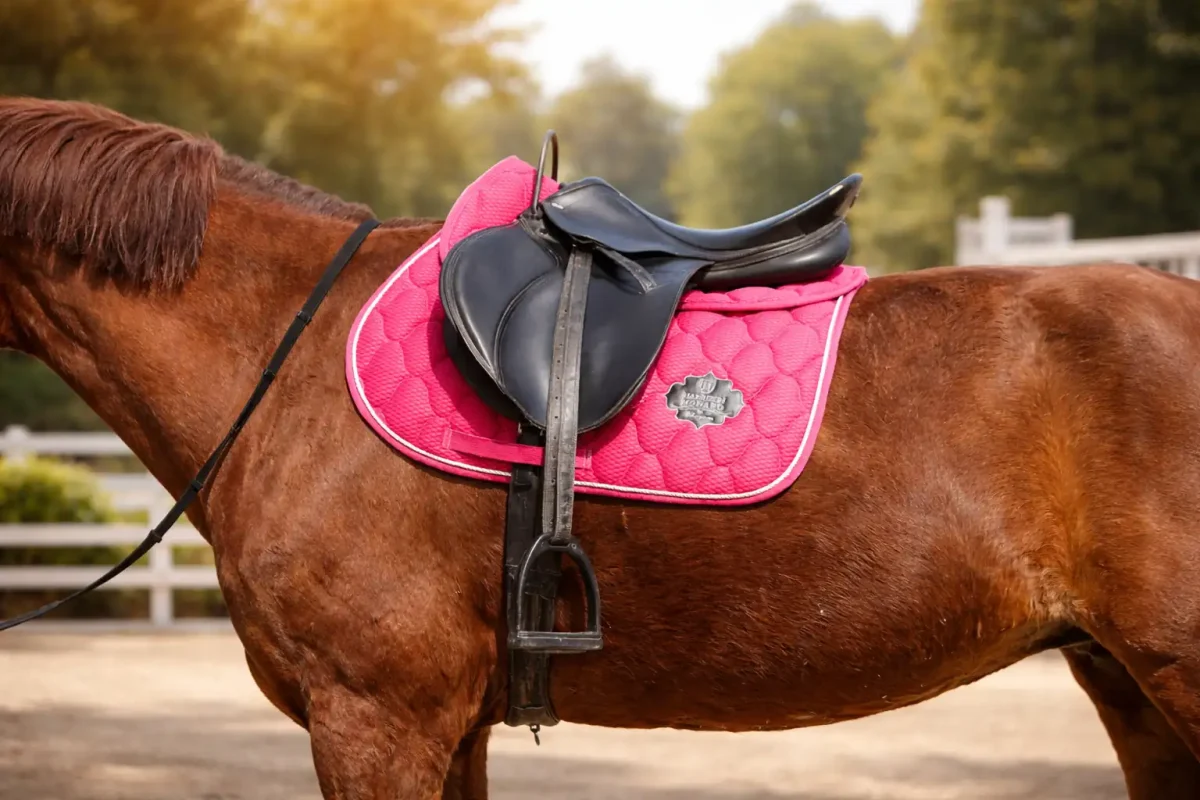
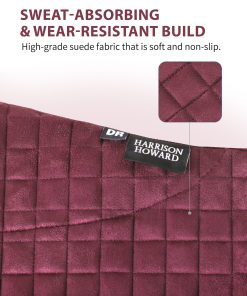
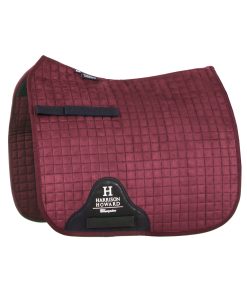
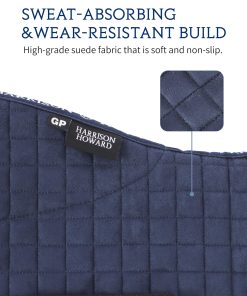
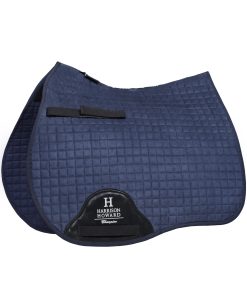
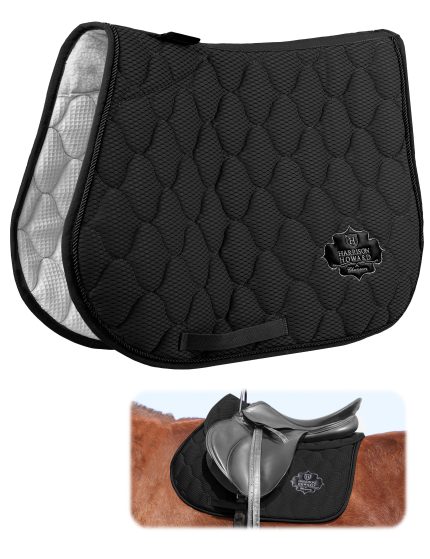
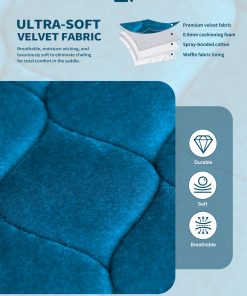
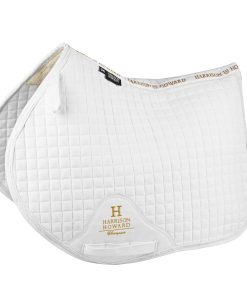
Choosing supportive equipment that helps manage pressure and stability—such as well-designed saddle pads—can play a valuable role in protecting the horse’s back during daily riding.
👉 https://hhequestrian.com/saddle-pads/
When thoughtfully designed and properly fitted, these elements work quietly in the background—supporting movement without restricting it.
Dressage
All Purpose
All Purpose


Close Contact
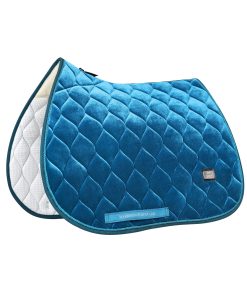
All Purpose
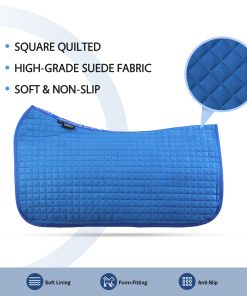
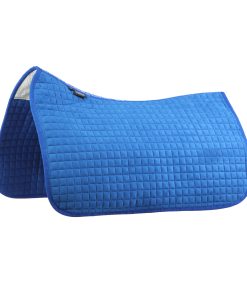
All Purpose


All Purpose
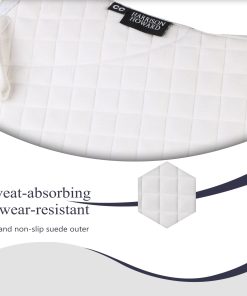
Close Contact
Education Leads to Better Riding Decisions
Equestrian education is not about memorizing rules or following trends. It’s about understanding why certain choices matter.
When riders understand how the horse’s back functions:
-
Training becomes more empathetic and effective
-
Equipment choices are made with purpose
-
Subtle signs of discomfort are noticed earlier
For riders interested in learning more about how saddle fit and back support influence performance and welfare, university extension programs and professional publications offer practical, research-informed guidance.
A deeper understanding of back function often goes hand in hand with learning how equipment, fit, and daily management influence long-term soundness.
👉 https://hhequestrian.com/2026/01/04/saddle-pads-for-horses-how-the-right-pad-protects-your-horses-back-and-performance/
Building a Strong Foundation Through Knowledge
Healthy movement begins with a comfortable, supported back. By learning how anatomy, movement, and pressure interact, riders are better equipped to support their horses throughout every stage of training.
Equestrian knowledge doesn’t replace good riding—it strengthens it. And when education guides our choices, both horse and rider benefit.
FAQs
A: The horse’s back is designed to lift and flex during movement, not to carry weight rigidly. Uneven or excessive pressure can interfere with muscle function, restrict movement, and affect comfort over time.
A: Yes. Even with a correctly fitted saddle, factors such as rider balance, workload, and pressure distribution can influence back comfort. Supportive equipment and correct riding technique play an important role alongside saddle fit.
A: Supporting healthy back movement involves a combination of correct riding position, progressive training, appropriate equipment, and regular attention to signs of tension or discomfort in the horse.
A: Horses in regular work should have their backs checked frequently, especially after changes in training intensity, equipment, or saddle fit. Early attention to subtle signs can help prevent long-term issues.
A: Not always. Back discomfort may appear as subtle changes such as stiffness, resistance to certain movements, reduced impulsion, or changes in attitude rather than obvious pain or swelling.
READ MORE
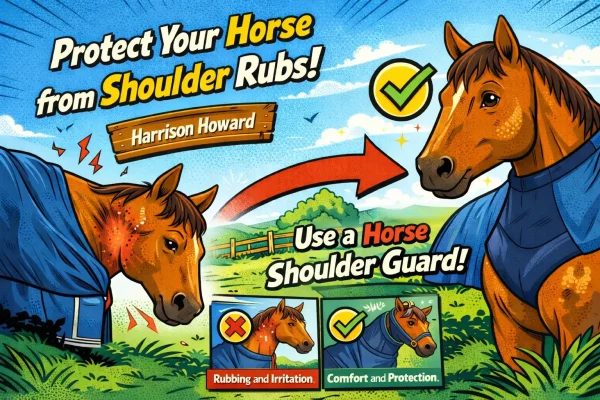
Why a Horse Shoulder Guard Is Essential for Comfort and Coat Protection
Shoulder rubs are a common issue for many horses. Learn how a horse shoulder guard [...]
Feb
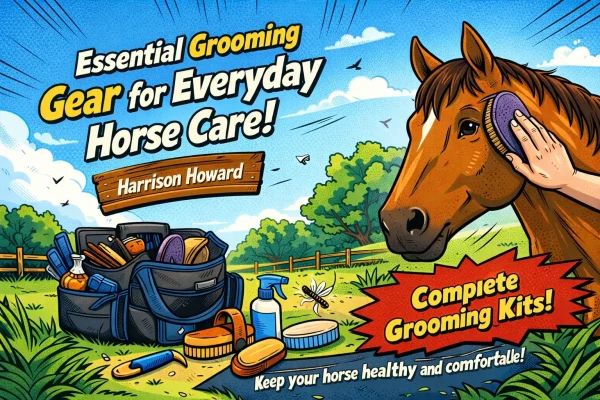
Essential Grooming Gear for Everyday Horse Care
Daily grooming is a foundation of good horse care. Learn why the right grooming gear [...]
Feb
How to Keep Your Horse Comfortable and Protected: Essential Gear and Tips
Explore how to maintain your horse's comfort and protection with the right gear. Learn how [...]
Feb

Can a Horse Fly Mask Help Horses With Eye Conditions?
A horse fly mask can support comfort for horses with eye conditions by reducing irritation [...]
Feb

Why Fly Masks for Horses Are Crucial for Comfort and Health
Learn why fly masks for horses are an essential tool for protecting your horse from [...]
Jan

6 Smart Reasons to Use Fly Boots for Horses
Fly boots offer targeted protection for horses during fly season, helping reduce irritation, support skin [...]
Jan

Why Every Rider Needs a Helmet Storage Bag for Clean, Safe, and Organized Gear
A helmet storage bag does more than keep your riding helmet clean—it protects your safety [...]
Jan
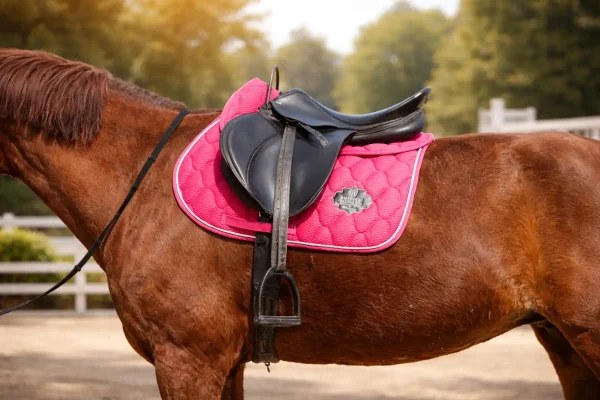
Understanding the Horse’s Back: Why Proper Support Matters in Riding
A horse’s back plays a vital role in movement, balance, and long-term soundness under saddle. [...]
Jan
