




Training & Riding Tips
Mastering the Basics: Essential Riding Tips for Every Equestrian
Jan
How Small Adjustments Make a Big Difference in Your Riding
In the world of horseback riding, mastering the basics is the foundation for success. Whether you’re a seasoned rider or just beginning your journey, it’s the small adjustments in your technique, posture, and gear that lead to major improvements in both comfort and performance.
From fine-tuning your position to improving communication with your horse, every detail matters. Let’s take a look at a few essential riding tips that can help make every ride smoother, safer, and more enjoyable.
1. Riding Tips for Better Balance: Keep Your Upper Body Relaxed
One of the first things you’ll hear from an instructor is, “Relax your upper body.” But this simple tip is often one of the hardest to master. The key to a balanced ride starts with your shoulders, arms, and hands. If your upper body is tense, it will affect your balance, your communication with the horse, and your ability to move with them.
-
Tip: Focus on softening your elbows and keeping your hands still, allowing your arms to naturally follow the horse’s movement.
-
Why It Works: A relaxed upper body allows for better posture, a smoother ride, and clearer signals to your horse.
According to The British Horse Society, maintaining a relaxed upper body is crucial for effective communication with your horse and achieving a balanced seat.
👉 The British Horse Society – Riding Position
2. Riding Tips for Better Control: Leg Position and Lower Body Connection
The legs are the primary tool for guiding and controlling your horse. Ensuring that your legs are in the correct position not only helps with control but also aids in maintaining balance and preventing strain.
-
Tip: Keep your legs gently wrapped around the horse’s sides with your knees relaxed but secure. Avoid gripping with your thighs, as this can cause tension.
-
Why It Works: This positioning helps maintain a stable seat, improves your ability to give clear leg aids, and reduces unnecessary tension.
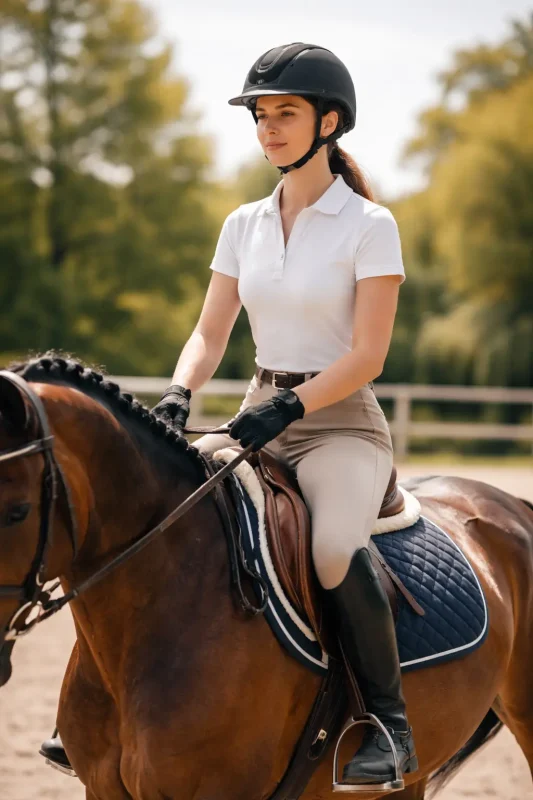
3. Improve Your Hand-Eye Coordination with Consistent Reins
The reins are your direct connection to your horse’s mouth, and therefore one of the most important aids for communication. Maintaining a consistent contact with the reins—not too tight, not too loose—is essential for clear, effective signals.
-
Tip: Focus on having a steady but soft hand position, with your knuckles pointing slightly forward and the reins running from the horse’s mouth through your fingers.
-
Why It Works: This provides a clear, consistent signal without overwhelming the horse, and helps you maintain balance with your upper body.
Equine Science recommends that beginner riders focus on building a stable connection between the reins and their seat before progressing to more advanced techniques.
👉 Equine Science – Rider’s Guide to Reins
4. Equipment Matters: Use the Right Gear for Comfort and Performance
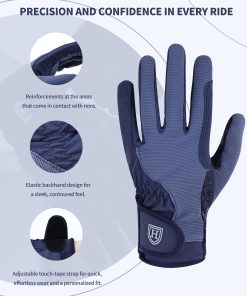
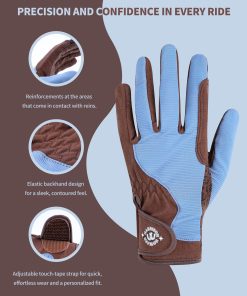
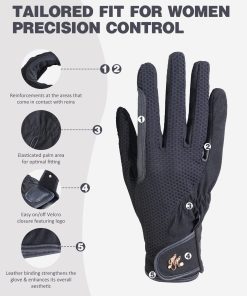
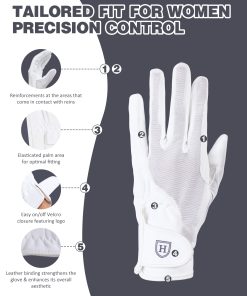
It’s easy to overlook how the right gear can impact your riding experience. The right riding gloves, for example, make a huge difference in terms of grip, comfort, and preventing hand fatigue.
-
Tip: Invest in gloves that provide a good grip on the reins while also being flexible enough to maintain your natural hand position.
-
Why It Works: The right gloves reduce hand fatigue, provide better control, and prevent blisters during long rides.
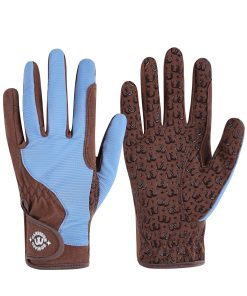
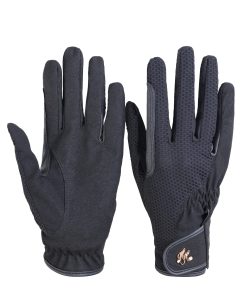
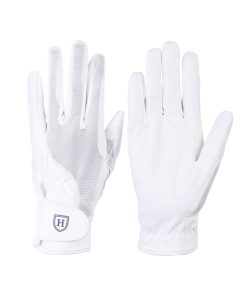
Our Women’s Equestrian Riding Gloves are designed to offer both comfort and grip, making them a must-have for training sessions and long rides.

5. Keep Your Mind and Body in Sync with Your Horse
The most successful riders are those who can synchronize their movements with their horse. Riding is as much about mental focus as it is about physical technique. A calm, focused rider can work harmoniously with their horse, whether it’s during flatwork, jumping, or a simple trail ride.
-
Tip: Before each ride, take a moment to breathe deeply, clear your mind, and visualize your ride.
-
Why It Works: This helps you remain present, reduces nervousness, and fosters a deeper connection with your horse.
6. Consistency is Key
Finally, remember that consistency is the foundation of all riding progress. Whether you’re working on building strength, improving posture, or developing communication with your horse, daily practice is key to improvement.
-
Tip: Set aside time each day or week for focused training. The more consistent you are, the faster you will see improvements.
Conclusion: Small Changes Lead to Big Results
Mastering the basics of riding takes time, but with a focus on the fundamentals—like posture, leg position, hand coordination, and gear—you can make every ride smoother and more enjoyable. Remember, riding is not just about technique, it’s about building a relationship with your horse based on trust and understanding.
FAQ
A: Start by relaxing your upper body, keeping your shoulders back, and your elbows soft. Focus on maintaining a straight line from your shoulders to your heels.
A: Choose comfortable, flexible riding gloves and well-fitting breeches that allow for freedom of movement. The right gear makes a big difference in reducing fatigue and improving performance.
A: Practice riding with steady, consistent rein contact, ensuring that your hands remain soft and your connection with your horse is clear and precise.
read more
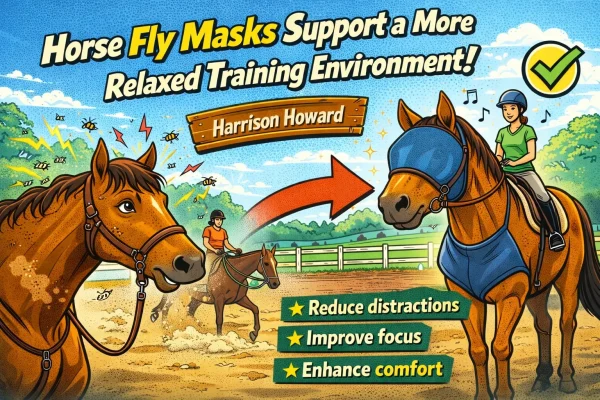
How Horse Fly Masks Support a More Relaxed Training Environment
A relaxed training environment starts with comfort. Discover how a horse fly mask helps reduce [...]
Feb

7 Training and Riding Tips to Improve Balance, Confidence, and Performance
These training and riding tips help riders improve balance, communication, and confidence while supporting horse [...]
Jan
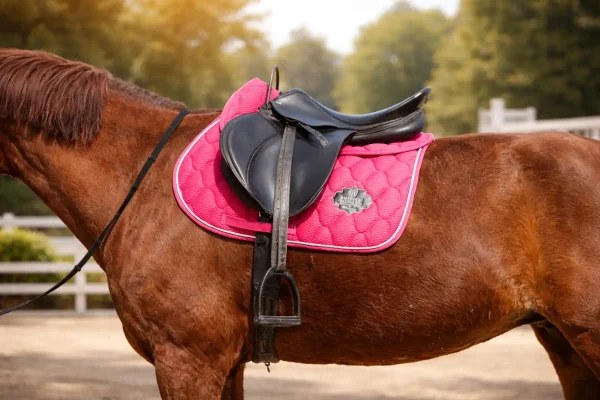
Understanding the Horse’s Back: Why Proper Support Matters in Riding
A horse’s back plays a vital role in movement, balance, and long-term soundness under saddle. [...]
Jan
