





Horse Care & Stable Life
Keeping Legs Calm and Comfortable
Jan
Why Fly Protection Matters in Everyday Stable Life
Life at the stable isn’t just about riding—it’s about everything that happens before and after. Turnout routines, grooming time, feeding schedules, and the small management choices that quietly shape a horse’s comfort day after day.
One area often overlooked in daily care is leg protection during fly season. While flies are usually thought of as a nuisance around the face, they can be just as disruptive to a horse’s lower legs—especially in warm, fly-heavy environments.
Why Flies Target Horses’ Legs
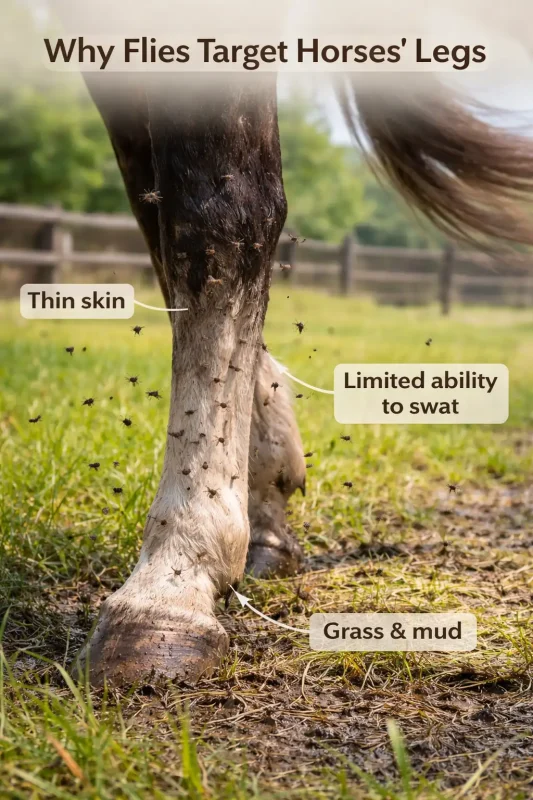
A horse’s lower legs are particularly vulnerable to flies for a few simple reasons:
-
Thin skin with little natural protection
-
Frequent contact with grass, mud, and moisture
-
Limited ability for the horse to swat flies away
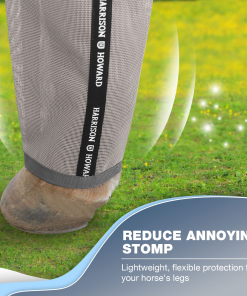
Persistent flies around the legs can lead to stamping, irritation, skin sensitivity, and even small wounds from repeated movement and rubbing. Over time, this constant annoyance can affect how relaxed a horse feels during turnout.
The Hidden Cost of Constant Stomping
That repetitive stamping we often dismiss as “fly behavior” has real consequences.
Excessive stomping may contribute to:
-
Strain on joints and soft tissue
-
Increased risk of pulled shoes
-
Disrupted rest and grazing
-
Heightened stress during turnout
From a horse-care perspective, reducing the cause of the behavior is always more effective than reacting to the symptoms.
According to guidance from Penn State Extension, effective fly control plays an important role in maintaining comfort and reducing stress-related behaviors in horses during turnout.
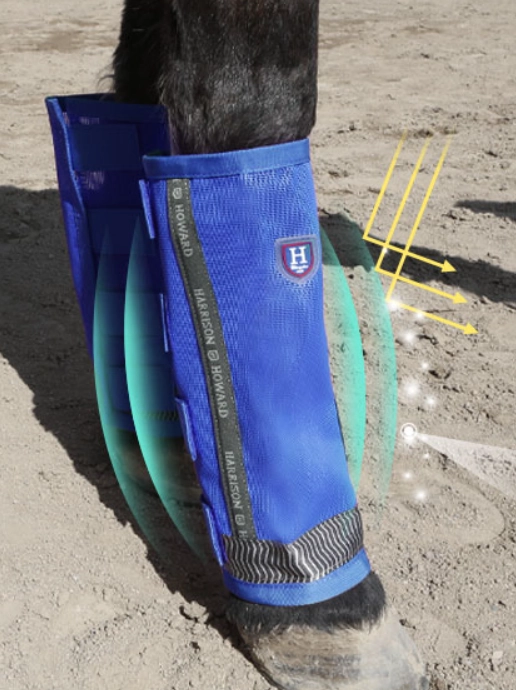
How Fly Boots Support Leg Comfort
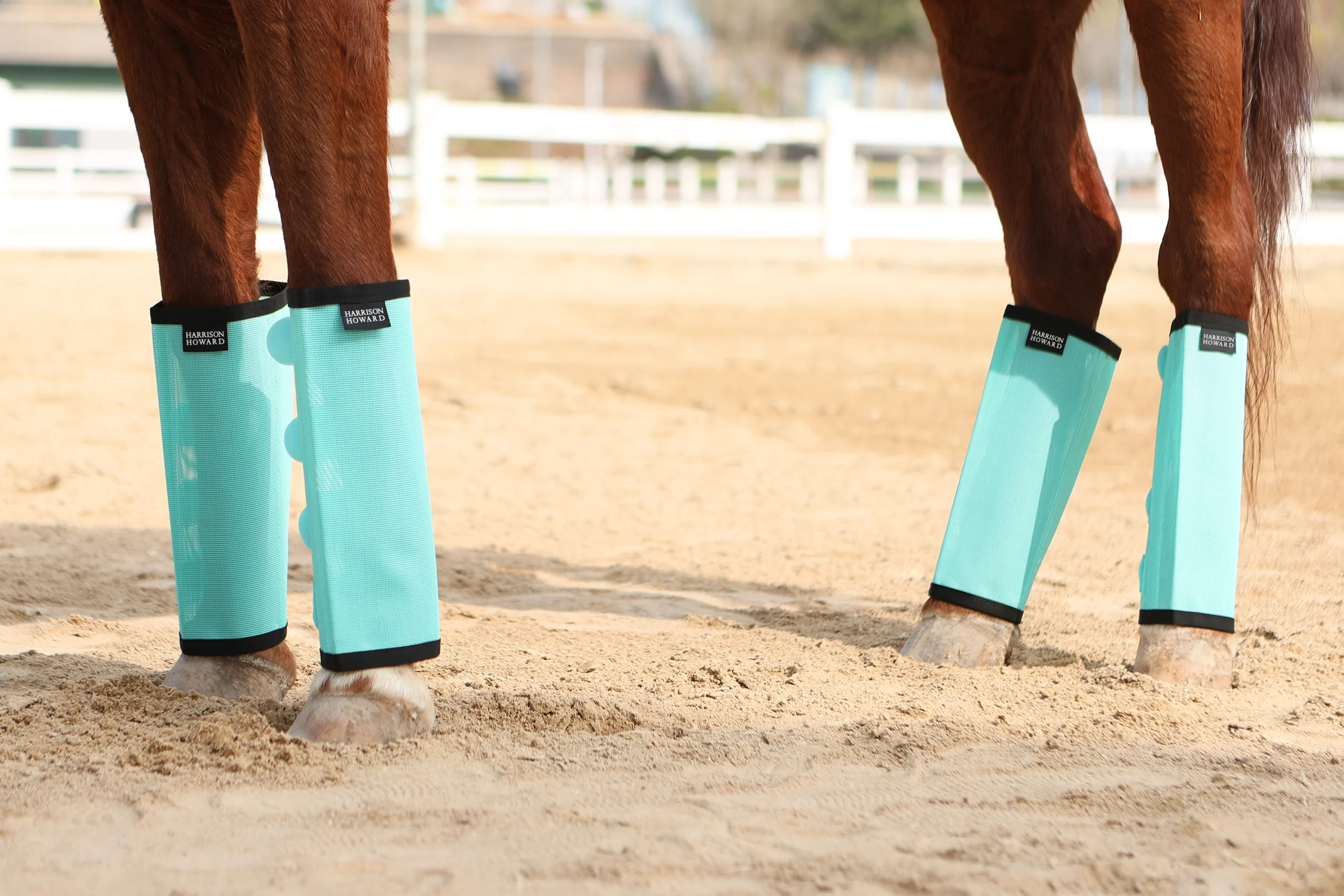
This is where fly boots become a practical part of stable management—not an accessory.
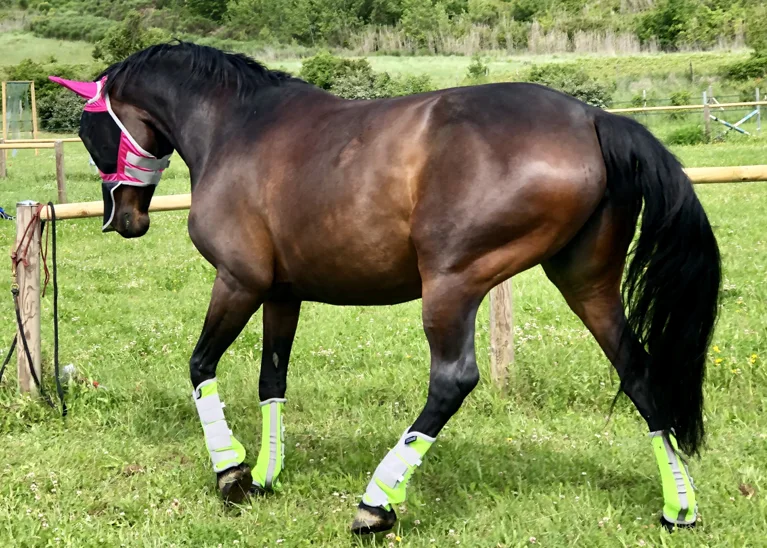
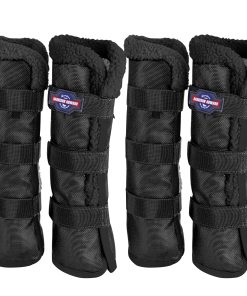
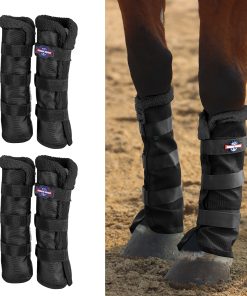
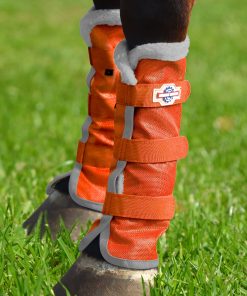
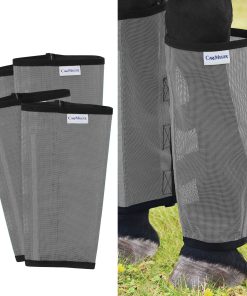
Well-designed fly boots create a breathable barrier that:
-
Keeps flies from biting sensitive lower-leg areas
-
Reduces stamping and irritation
-
Helps protect skin from repeated contact with insects
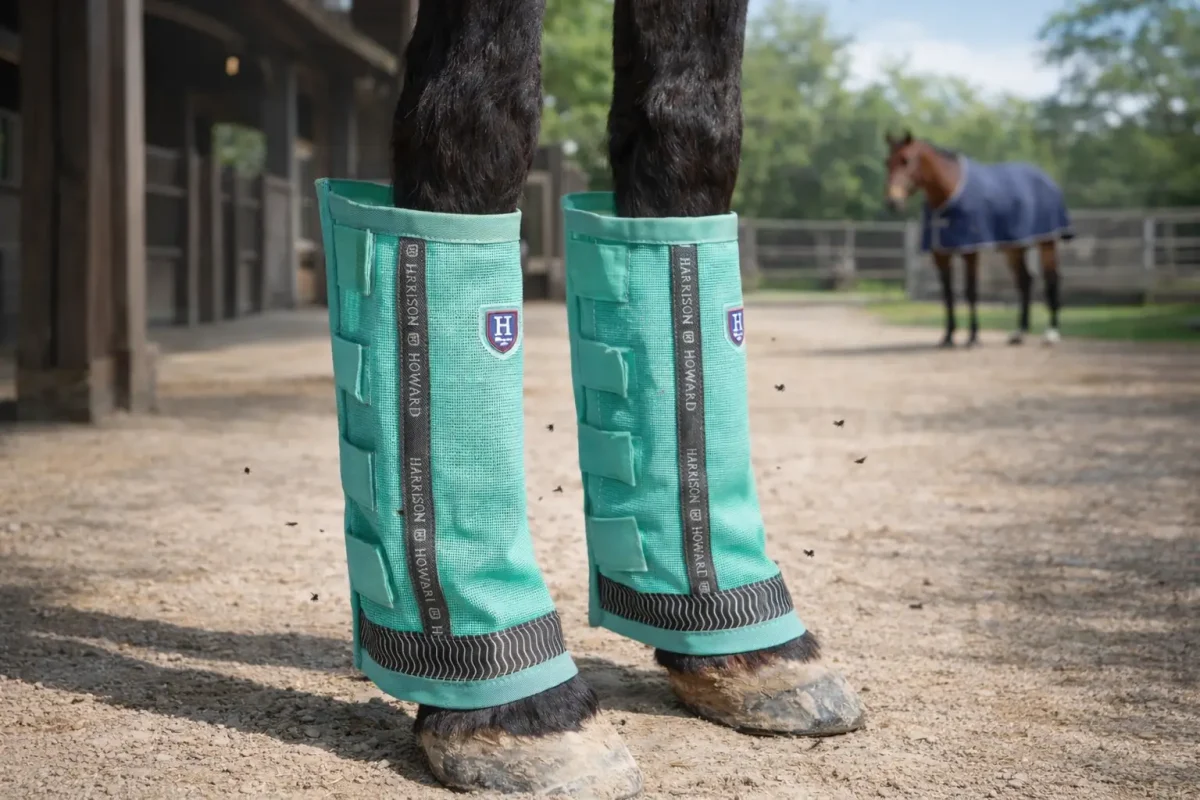
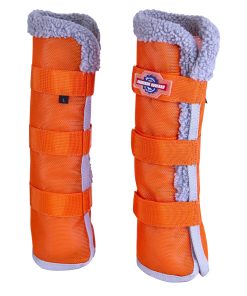
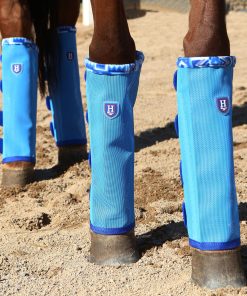
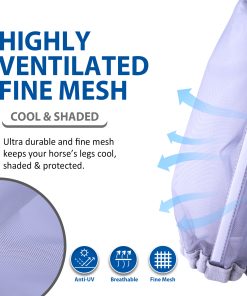
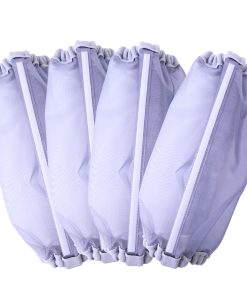
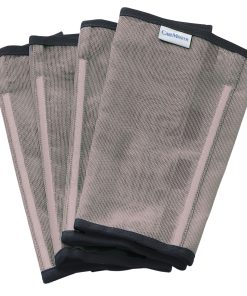
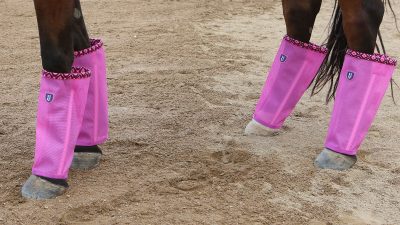
Modern fly boots are made with lightweight mesh that allows airflow while staying secure during turnout. When fitted correctly, they protect without restricting movement or causing heat buildup.
Fit and Design Matter in Daily Use
Not all fly boots offer the same level of protection.
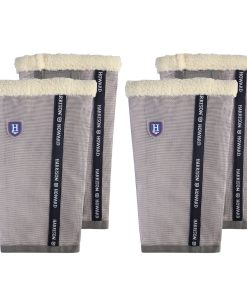
For everyday stable life, key features include:
-
Secure closures that stay in place during movement
-
Breathable materials suitable for long turnout hours
-
Soft edging to prevent rubbing
-
A shape that allows full freedom of motion
Choosing thoughtfully designed fly boots helps ensure protection works quietly in the background—without becoming another thing to manage or adjust constantly.
When Fly Boots Are Especially Useful
Fly boots are particularly beneficial for:
-
Horses turned out for extended periods
-
Horses sensitive to flies or prone to stamping
-
Horses with a history of skin irritation on the legs
-
Warm, damp environments where flies thrive
In these situations, fly boots support a calmer, more settled turnout routine—something every stable aims for.
Thoughtful Gear as Part of Good Stable Care
Horse care isn’t defined by one big decision. It’s shaped by dozens of small, consistent choices that prioritize comfort, safety, and routine.
Selecting reliable fly boots as part of your daily turnout setup helps protect your horse’s legs from constant irritation and supports a more peaceful stable environment.
👉 https://hhequestrian.com/fly-boots/

A More Comfortable Turnout, One Detail at a Time
Stable life will always involve adapting natural behaviors to managed environments. The goal isn’t perfection—it’s balance.
By paying attention to everyday challenges like fly irritation and addressing them with practical solutions, we create turnout routines that are calmer, healthier, and easier on both horses and caretakers.
Sometimes, the best horse care happens quietly—one small detail at a time.
Read More
Fly Boots for Horses: Protecting Your Equine Companion with Style
As horse owners, we are committed to providing the best care for our equine friends. [...]
Jun
Leg Day, But Make It Equine
If horses could talk, they would probably complain about two things:1️⃣ Flies2️⃣ And how we [...]
Nov

All-Round Protection: Unveiling the Benefits of Sports Boots for Your Beloved Horse
As equestrians, the well-being of our horses is paramount. Providing them with the best protection [...]
Aug

6 Smart Reasons to Use Fly Boots for Horses
Fly boots offer targeted protection for horses during fly season, helping reduce irritation, support skin [...]
Jan
