





Horse Care & Stable Life
A Calm Stable Starts with Routine
Jan
How Everyday Feeding Habits Shape Horse Health and Behavior
Horse feeding routines are one of the most influential factors in stable management, shaping a horse’s digestion, behavior, and overall well-being. Life at the stable is built on routines. Morning checks, turnout schedules, feeding times—it’s the quiet consistency of these daily habits that shapes a horse’s physical health and mental well-being.
Among all aspects of horse care, feeding routines play a bigger role than many riders realize. Not just what we feed, but how we feed can influence digestion, behavior, and overall comfort in the stable.
Why Horse Feeding Routines Matter in the Stable
Thoughtful horse feeding routines help recreate a more natural grazing rhythm, even within a stable environment.
In natural conditions, horses spend the majority of their day grazing—often 12 to 18 hours, taking small bites almost continuously. This steady intake supports healthy saliva production to buffer stomach acid, stable gut motility, and a calmer mental state.
This natural grazing pattern and its importance for equine digestion is widely supported by equine nutrition research and veterinary guidance. Educational resources such as the University of Minnesota Extension explain how slow, consistent forage intake better aligns with a horse’s digestive system and overall welfare.
👉 https://extension.umn.edu/horse-nutrition/using-slow-feed-hay-nets
Why Fast Eating Can Be a Problem
Modern stable life often compresses feeding into a few short windows. Large hay piles may disappear quickly, leaving horses standing idle for long periods.
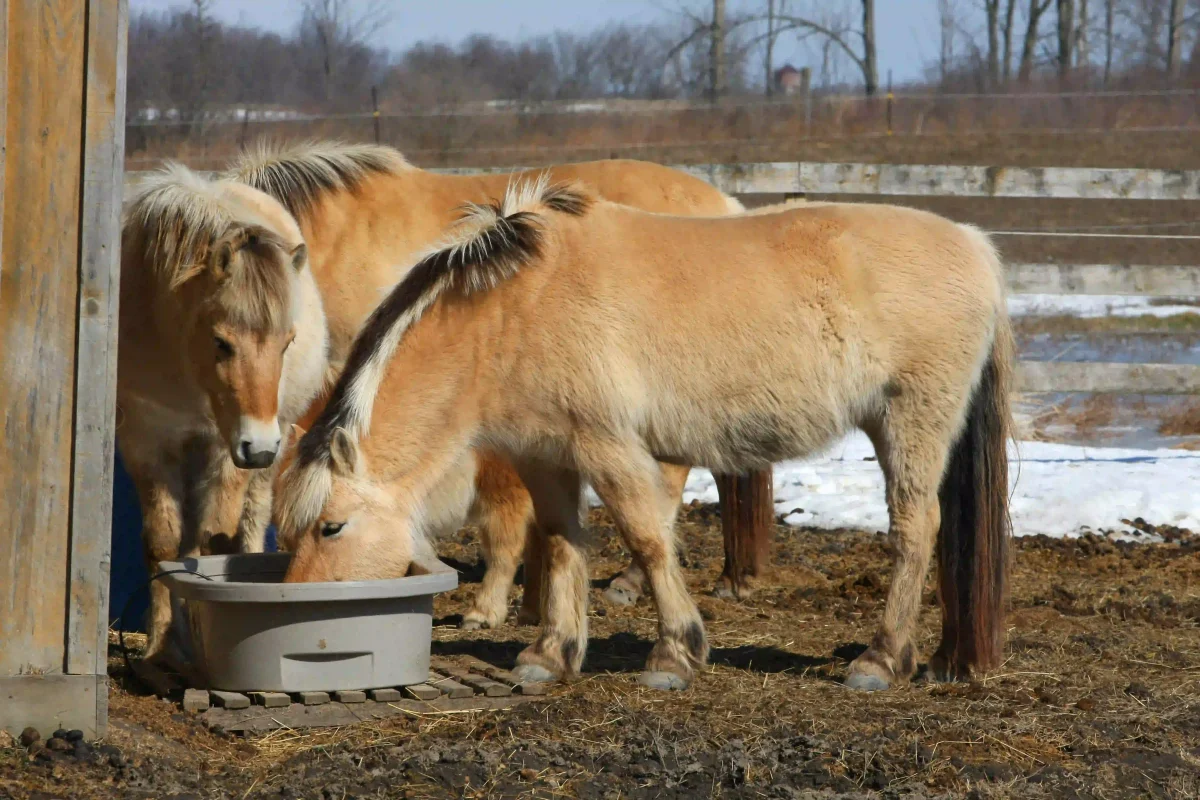
When horses consume hay too quickly, several issues may arise:
-
Long gaps without forage can increase gastric acidity
-
Boredom and frustration may lead to stall vices
-
Digestive systems receive irregular input instead of steady flow
Veterinary resources consistently note that extended periods without forage may contribute to digestive discomfort and stress-related behaviors in stabled horses. Research and feeding guidance from Kentucky Equine Research highlights how feeding management plays a key role in maintaining digestive balance and overall well-being.
👉 https://ker.com/equinews/feeding-management-and-digestive-health/
Supporting Natural Feeding in a Stable Environment
This is where thoughtful feeding tools become part of good stable management.
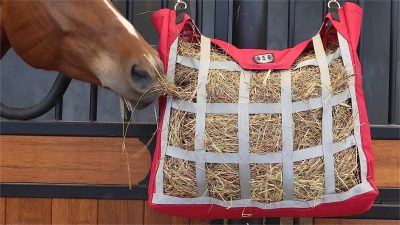
Using thoughtfully designed hay nets allows horses to eat more slowly and stay engaged for longer periods, helping recreate a more natural grazing rhythm even in a stall or dry lot environment. By limiting bite size without restricting forage intake, hay nets support steady chewing, saliva production, and calmer behavior between feeding times.
👉 https://hhequestrian.com/stable-yards/hay-bags-nets/
When used correctly and placed at an appropriate height, hay nets can also reduce hay waste and help maintain a cleaner, more organized stable environment.
-
 Slow Graze Adjustable Slow Graze Horse Slow Feed Hay Bag
$15.99
Slow Graze Adjustable Slow Graze Horse Slow Feed Hay Bag
$15.99 -
 Slow Graze Slow Graze Horse Slow Feed Hay Bag
$21.99
Slow Graze Slow Graze Horse Slow Feed Hay Bag
$21.99 -
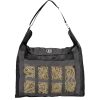 Slow Graze Slow Feed Horse Hay Bags, Oxford Cloth
$32.99
Slow Graze Slow Feed Horse Hay Bags, Oxford Cloth
$32.99 -
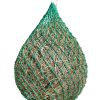 Slow Graze Slow Feed Hay Net, 2"x2" Mesh Holes
$14.99
Slow Graze Slow Feed Hay Net, 2"x2" Mesh Holes
$14.99 -
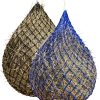 Slow Graze 2 Pcs Slow Feed Hay Net, 40" Length with 2" Holes
$20.99
Slow Graze 2 Pcs Slow Feed Hay Net, 40" Length with 2" Holes
$20.99 -
 Alcove Deep Corner Feeder Black
$39.99
Alcove Deep Corner Feeder Black
$39.99 -
 PaceMaster Horse Feed Bag With Padded Neck Strap
$26.99
PaceMaster Horse Feed Bag With Padded Neck Strap
$26.99
Small Management Choices, Long-Term Impact
Horse care is rarely about one dramatic change. More often, it’s the accumulation of small, informed decisions that quietly improve a horse’s daily comfort.
Simple adjustments to feeding routines—such as choosing the right hay net—can have a lasting impact on digestion, behavior, and overall well-being. These improvements may not be immediately obvious, but over time, they contribute to a calmer, healthier stable atmosphere.
A More Thoughtful Approach to Stable Life
Stable life will never fully mirror life at pasture—and that’s okay. With thoughtful management, we can bridge the gap between natural behavior and modern care.
Small adjustments in daily care—like feeding routines and stable equipment choices—can quietly improve a horse’s comfort and well-being over time.
👉https://hhequestrian.com/stable-yards/
By supporting how horses are naturally meant to eat and rest, we create an environment where they feel more settled, comfortable, and content.
And in the end, a calm stable benefits everyone—horses and humans alike.
FAQ
A: Horses are designed to eat slowly throughout the day. When hay is consumed too quickly, long gaps without forage may occur, which can contribute to digestive discomfort, increased gastric acidity, and stress-related behaviors in stabled horses.
A: Slow feeding encourages steady chewing and saliva production, which helps buffer stomach acid and supports a more consistent digestive process. This aligns more closely with a horse’s natural grazing behavior.
A: When used correctly and at an appropriate height, hay nets can be a practical part of daily stable management. They help extend feeding time, reduce boredom, and support calmer behavior without reducing overall forage intake.
Extended Reads
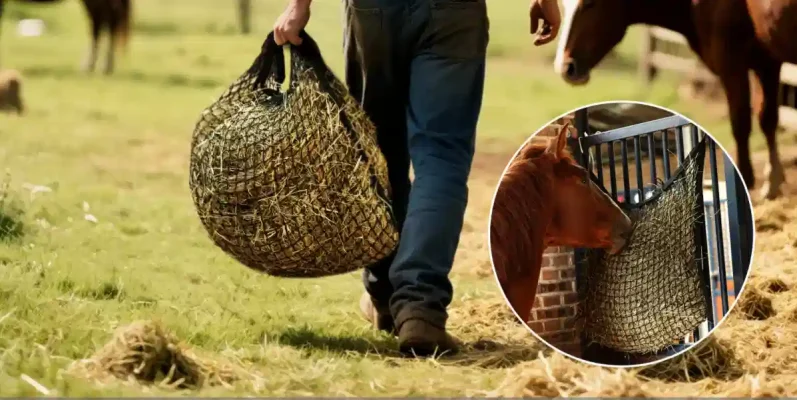
Why the Way Your Horse Eats Hay Matters More Than You Think
Horses are designed to graze slowly for most of the day, yet many modern feeding [...]
Dec
A Comprehensive Guide to Selecting the Ideal Slow-Feeding Hay Bag
Slow-feeding hay bags have revolutionized the way many horse owners feed their equine companions. By [...]
Jun
