





Product Insights & Gear Guide
Saddle Pads for Horses: How the Right Pad Protects Your Horse’s Back and Performance
Jan
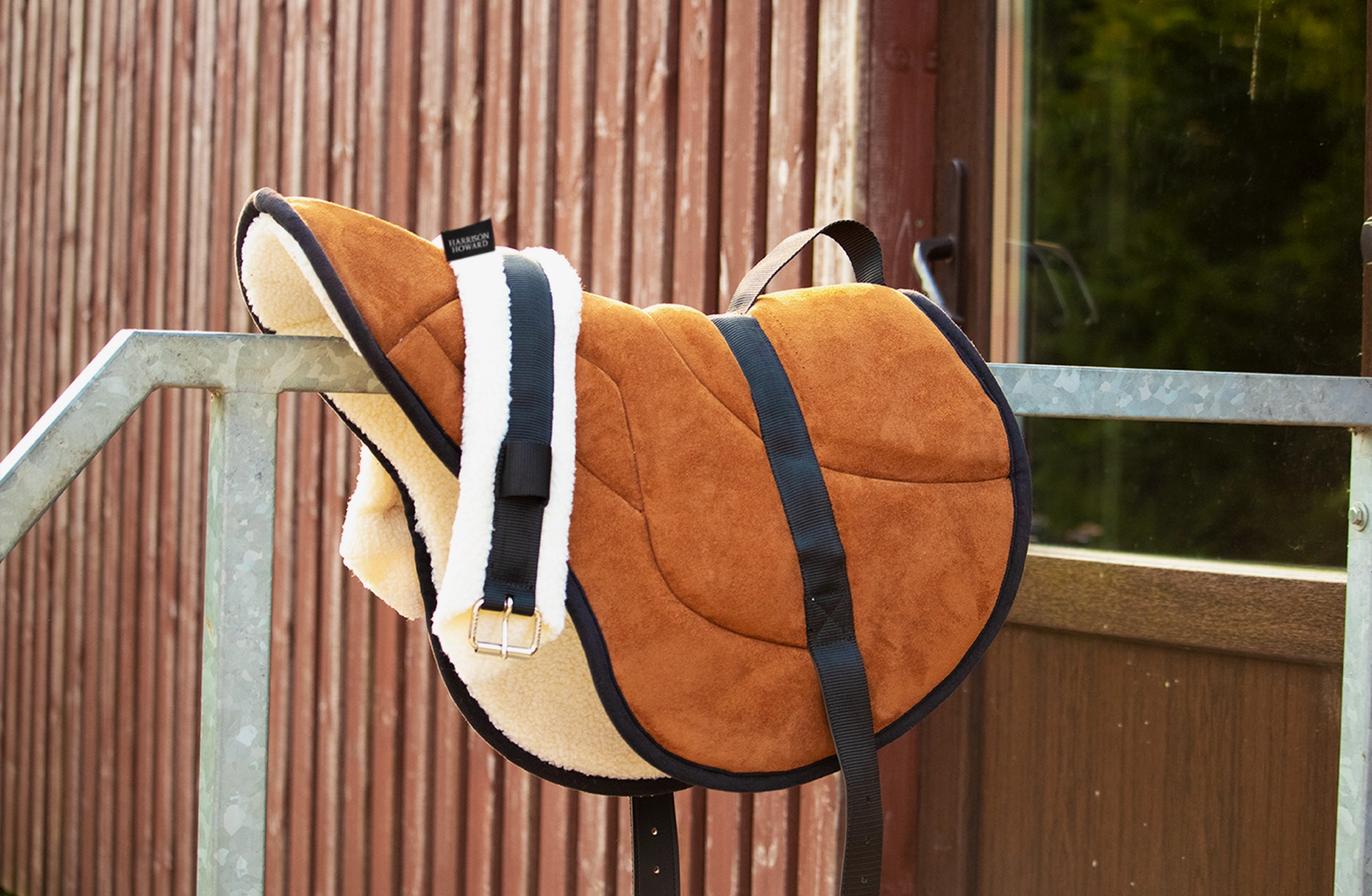
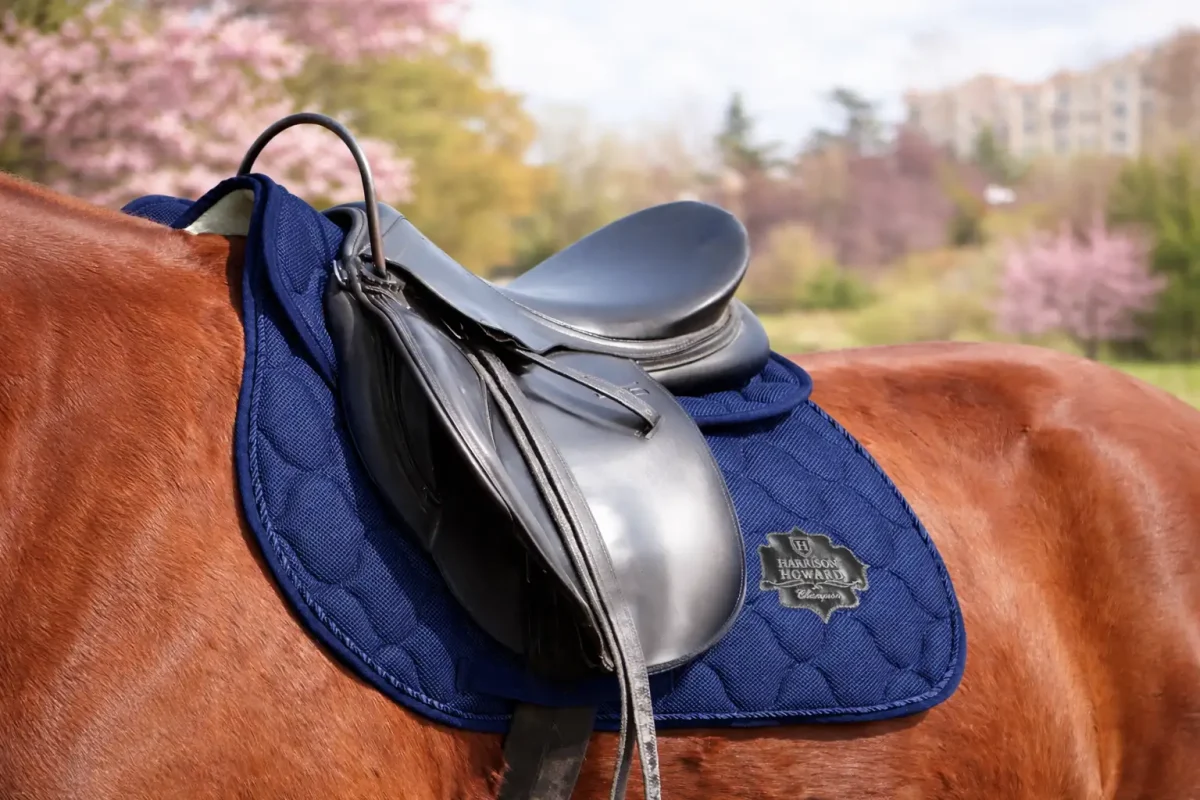
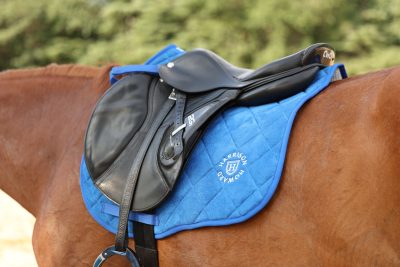
Saddles often get all the attention when it comes to fit and comfort—but the layer between the saddle and your horse’s back matters just as much. Well-designed saddle pads for horses play a critical role in pressure distribution, shock absorption, heat management, and long-term soundness.
Understanding what a saddle pad actually does helps explain why choosing the right one isn’t just about style—it’s about protecting your horse every ride.
What a Saddle Pad Really Does (Beyond Looking Good)
A saddle pad’s primary job is to create a protective interface between the saddle and the horse’s back.
Proper saddle pads help:
-
Distribute pressure more evenly
-
Reduce friction and localized pressure points
-
Absorb impact during movement, especially over fences
-
Manage heat and moisture buildup
Without adequate support, even a well-fitted saddle can contribute to muscle soreness or back discomfort over time.
According to Kentucky Equine Research, uneven pressure and heat buildup under the saddle can contribute to back discomfort and reduced performance in horses.

Pressure Distribution and Shock Absorption Explained
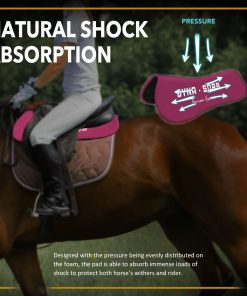
When a rider’s weight is applied through the saddle, pressure is not evenly spread across the back. Areas near the withers and behind the shoulder are especially vulnerable.
High-quality saddle pads are designed to:
-
Cushion impact from the rider’s movement
-
Minimize peak pressure points
-
Support consistent contact across the back
This becomes especially important during jumping, collected work, or long training sessions where repetitive impact occurs.
Heat, Sweat, and Why Breathability Matters
Excess heat trapped under the saddle can affect muscle function and comfort.
Breathable saddle pads help:
-
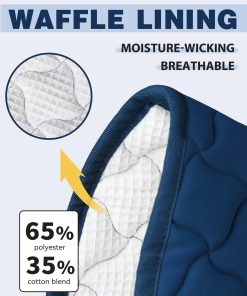
Wick moisture away from the skin
-
Promote airflow along the topline
-
Reduce heat-related fatigue
Poor ventilation may lead to excessive sweating, skin irritation, or sensitivity—particularly in warm weather or during intense work.
Educational materials from Penn State Extension emphasize the importance of managing heat and moisture under tack to support equine comfort during exercise.
Fit, Shape, and Stability — Why Design Matters
Not all saddle pads are created equal.
Key design features that influence performance include:
-
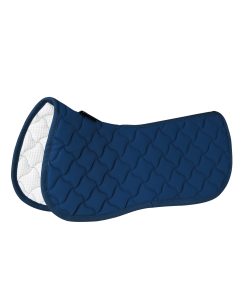
Anatomical shaping that follows the horse’s topline
-
Adequate spine clearance
-
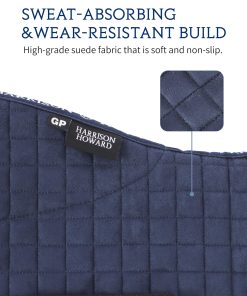
Non-slip construction to prevent movement
-
Consistent thickness without bulk
A saddle pad that shifts or compresses unevenly can interfere with saddle stability and rider balance—something both horse and rider will feel immediately.
When the Right Saddle Pad Makes the Biggest Difference
Choosing the right saddle pad is especially important for:
-
Horses in regular training or competition
-
Horses with sensitive backs
-
Young or developing horses
-
Riders working over fences or long sessions
In these cases, the saddle pad becomes a functional piece of performance equipment—not an accessory.
Selecting a thoughtfully designed saddle pad helps support back comfort, stability, and long-term soundness during daily riding.




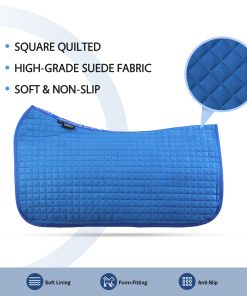
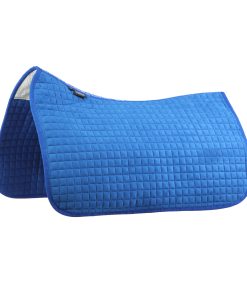
All Purpose
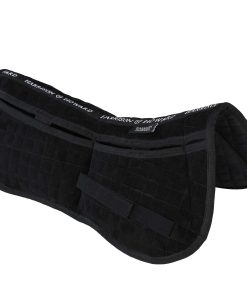
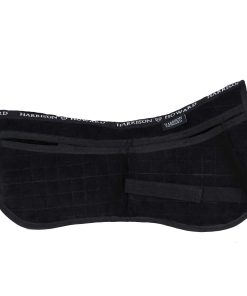
Half Pads
Saddle Pads
Half Pads
All Purpose
Close Contact
Small Details, Long-Term Impact
Horse comfort is rarely determined by a single piece of equipment. Instead, it’s the combination of thoughtful choices—made consistently—that supports soundness and performance.
A well-designed saddle pad works quietly beneath the saddle, protecting your horse ride after ride without drawing attention to itself.
And that’s exactly how it should be.
FAQ
Q: Do saddle pads really affect horse comfort?
A: Yes. Saddle pads help distribute pressure, absorb shock, and manage heat, all of which contribute to back comfort and performance.
Q: Can a saddle pad improve saddle fit?
A: While a saddle pad cannot fix a poorly fitted saddle, the right pad can help reduce pressure points and improve overall comfort.
Q: How often should saddle pads be cleaned?
A: Regular cleaning helps maintain breathability and prevents sweat and dirt buildup that can cause skin irritation.
Blog Lookback
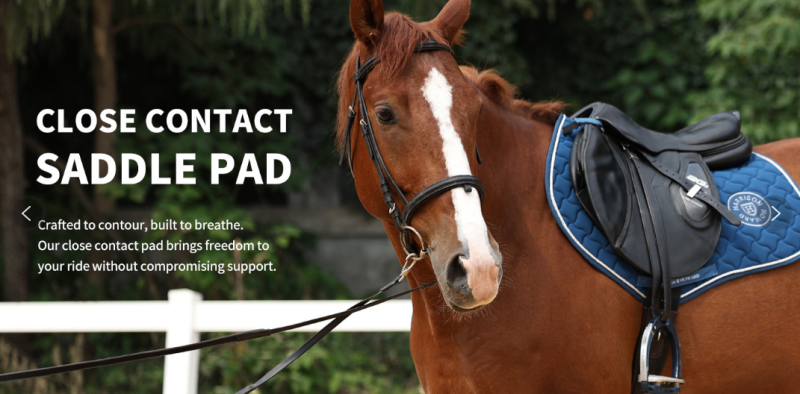
The Saddle Pad That Refuses to Budge (Unlike Your Horse on Cold Mornings)
If your saddle pad has a habit of sliding around like it has a mind [...]
Dec

Saddle Time and Soft Colors: A Simple Moment at the Barn
There’s something undeniably peaceful about a quiet day at the barn —the grounding smell of [...]
Nov
Why a Good Saddle Pad Is Like the Horse’s Favorite Pair of Sneakers
Let’s be honest: a horse will never walk into the barn and say,“Excuse me, this [...]
Nov
