




Horse Care & Stable Life
Why Fly Masks Are Basically Sunglasses for Horses
Dec
(And Why Most Horses Are Very Glad They Exist)
If you’ve ever watched your horse try to enjoy turnout while flies dive-bomb their face like tiny, determined drones—you already understand the problem.
Tail swishing.
Head shaking.
That dramatic stomp that says, “I did not sign up for this.”
Enter the fly mask: one of the least glamorous but most appreciated pieces of equestrian gear in the barn.
Horses + Flies = A Very Bad Relationship
Horses have large, expressive eyes—and unfortunately, flies love them just as much as we do.
Why flies are such a problem:
-
Horses can’t easily swat insects away from their eyes
-
The skin around the eyes and face is thin and sensitive
-
Constant irritation leads to rubbing, tearing, and frustration
Left unchecked, this can contribute to eye irritation, skin sores, and a generally grumpy turnout experience. And no one wants a horse coming in from the field already annoyed.
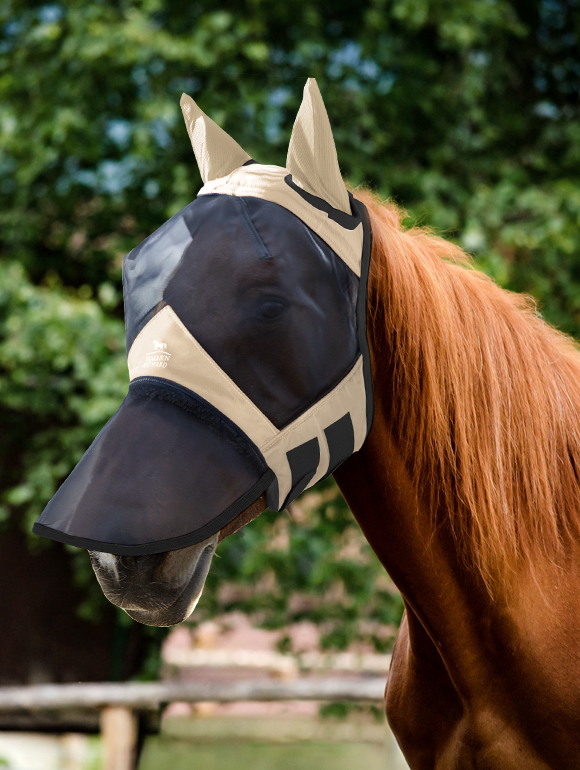
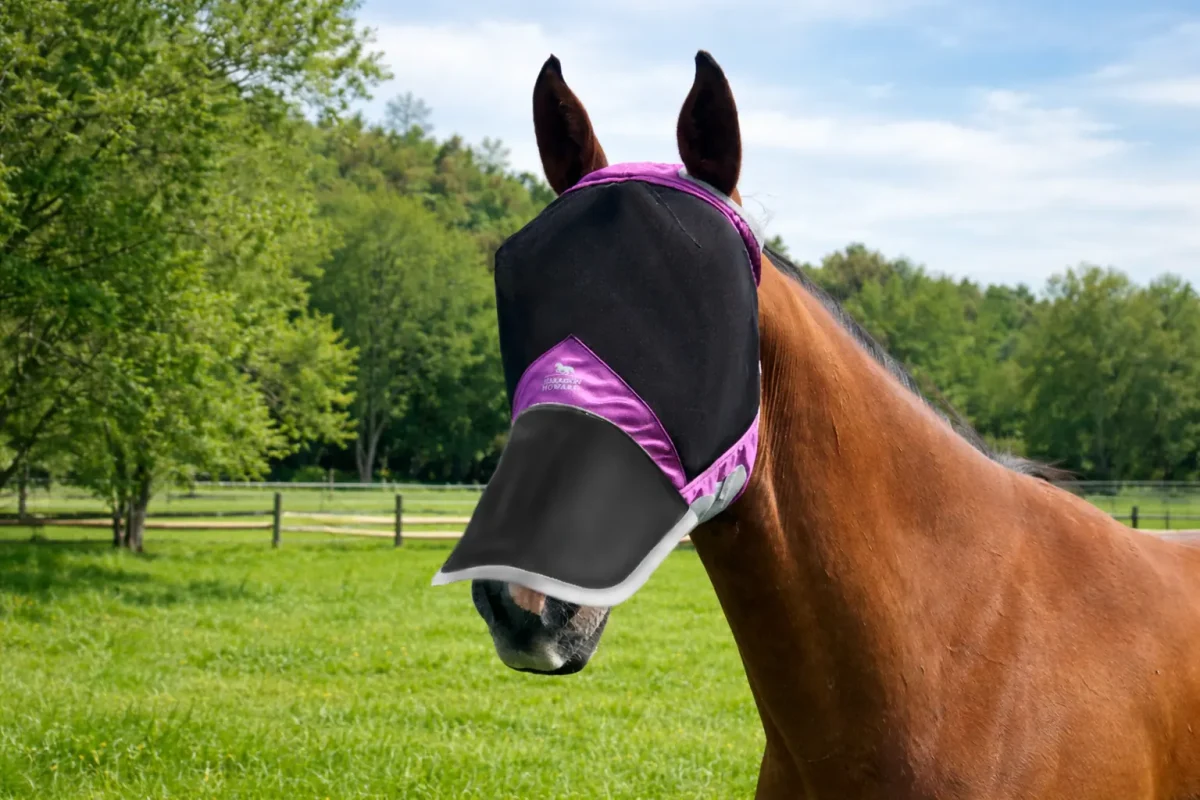
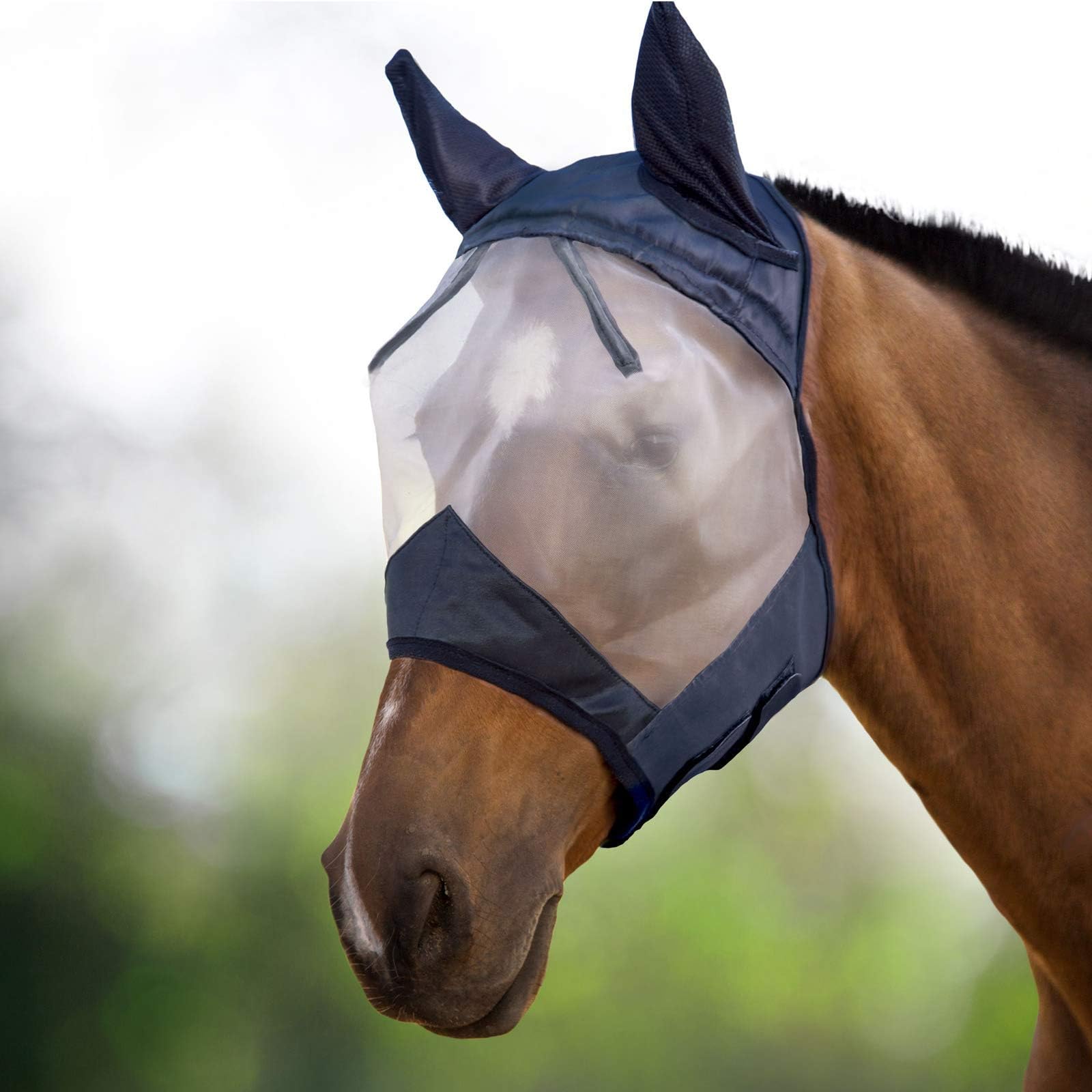
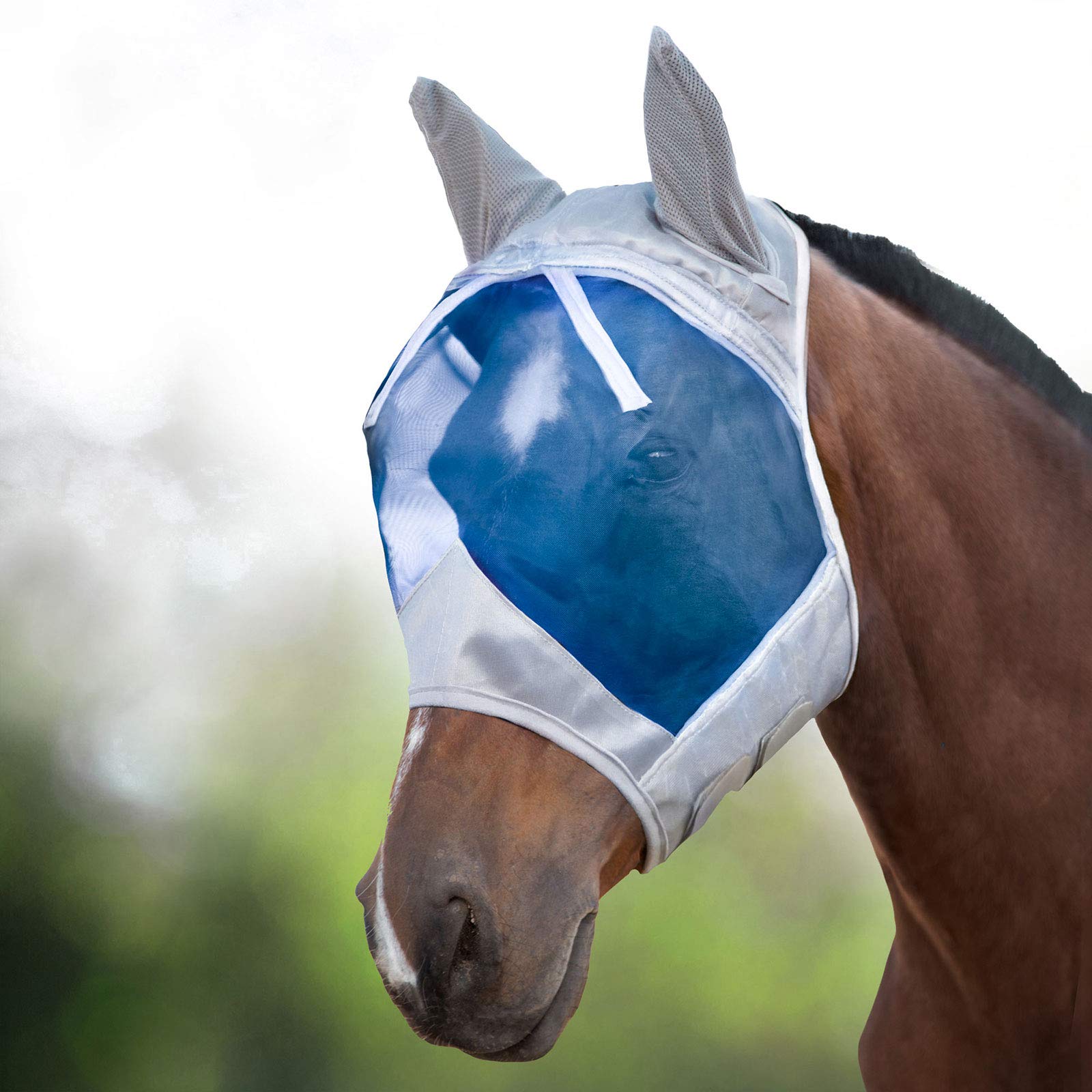
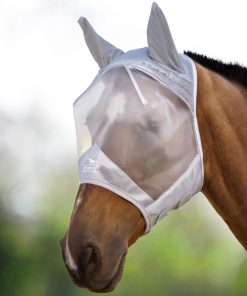
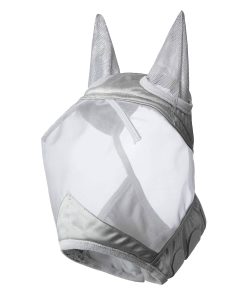
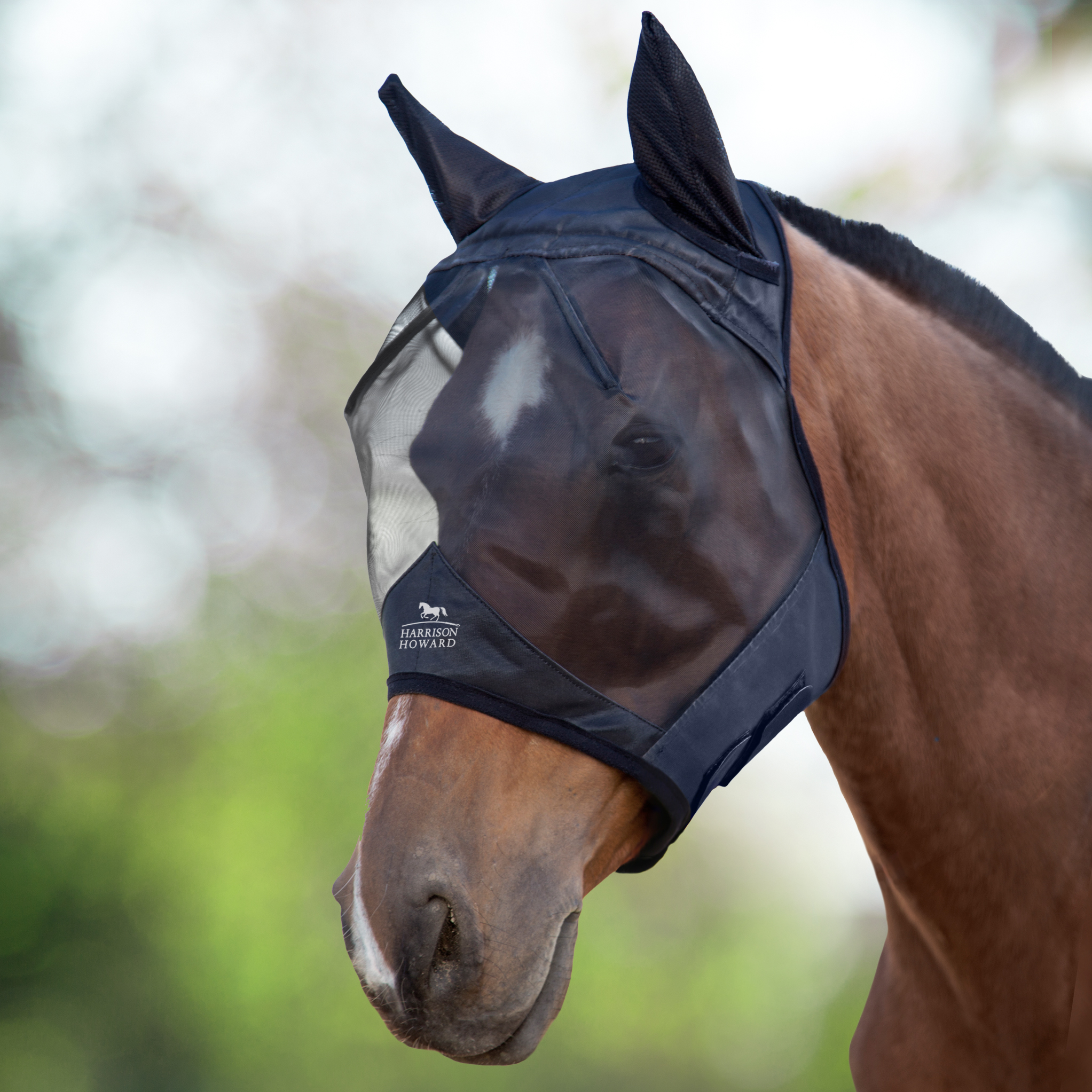
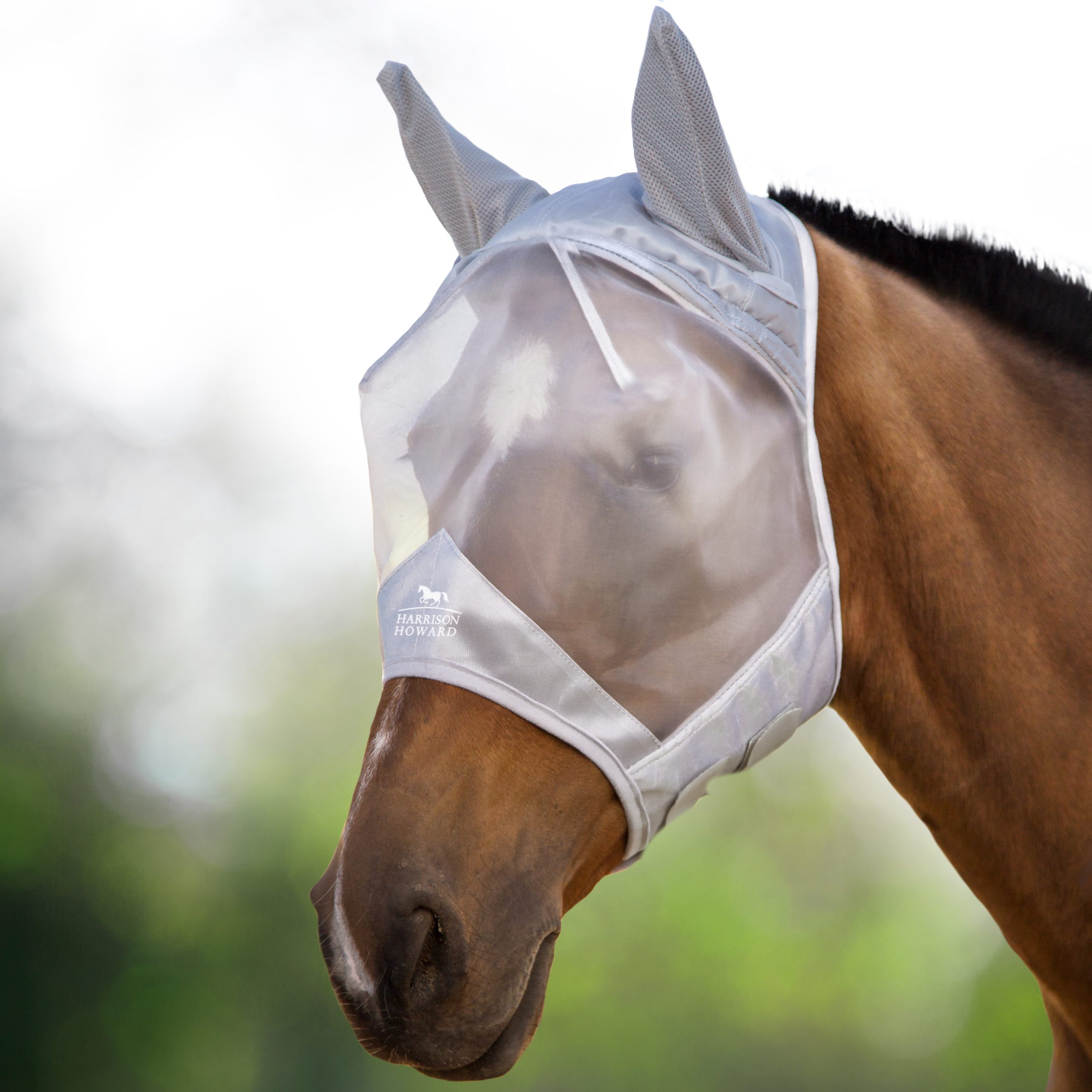
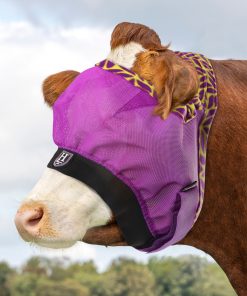
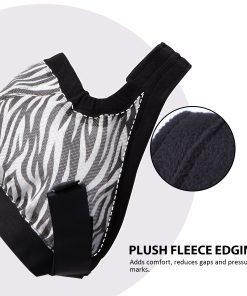
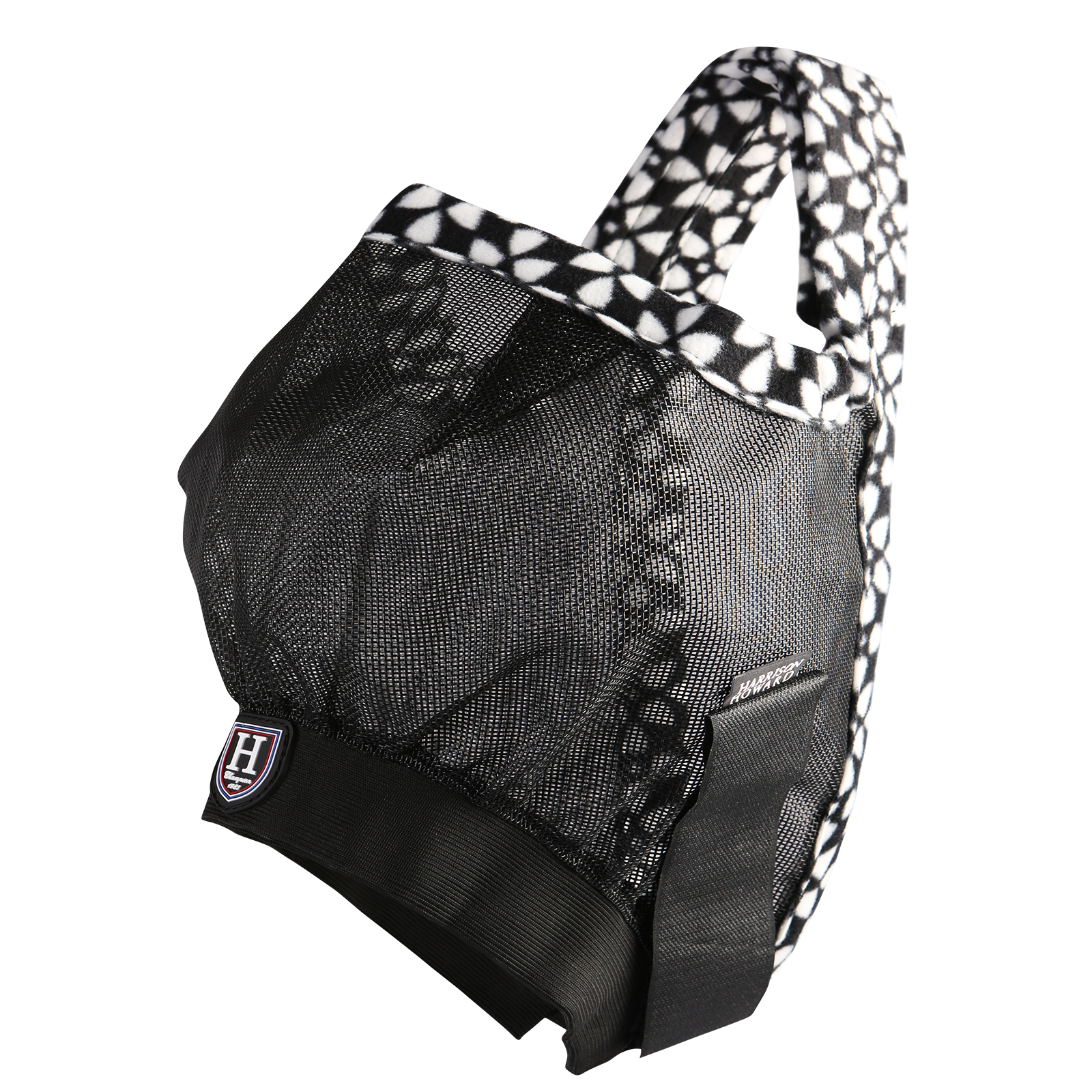
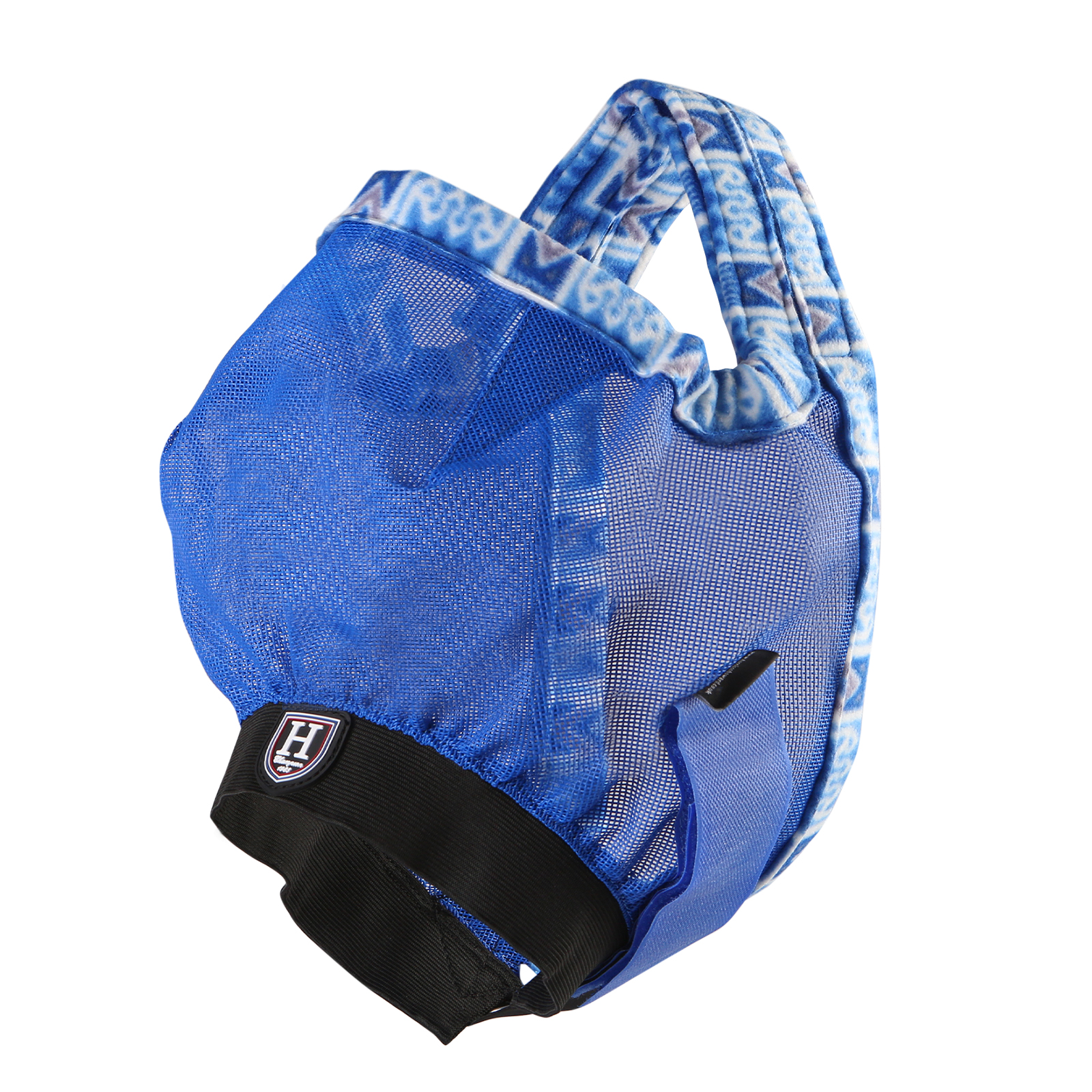
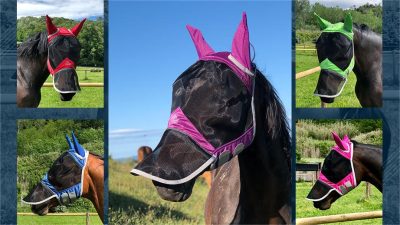
fly mask from hh
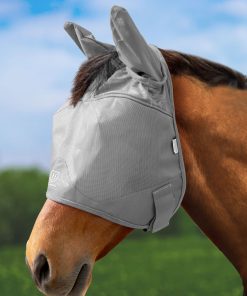
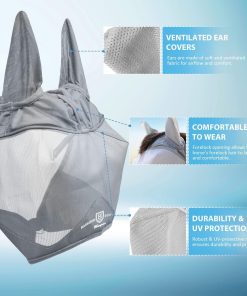
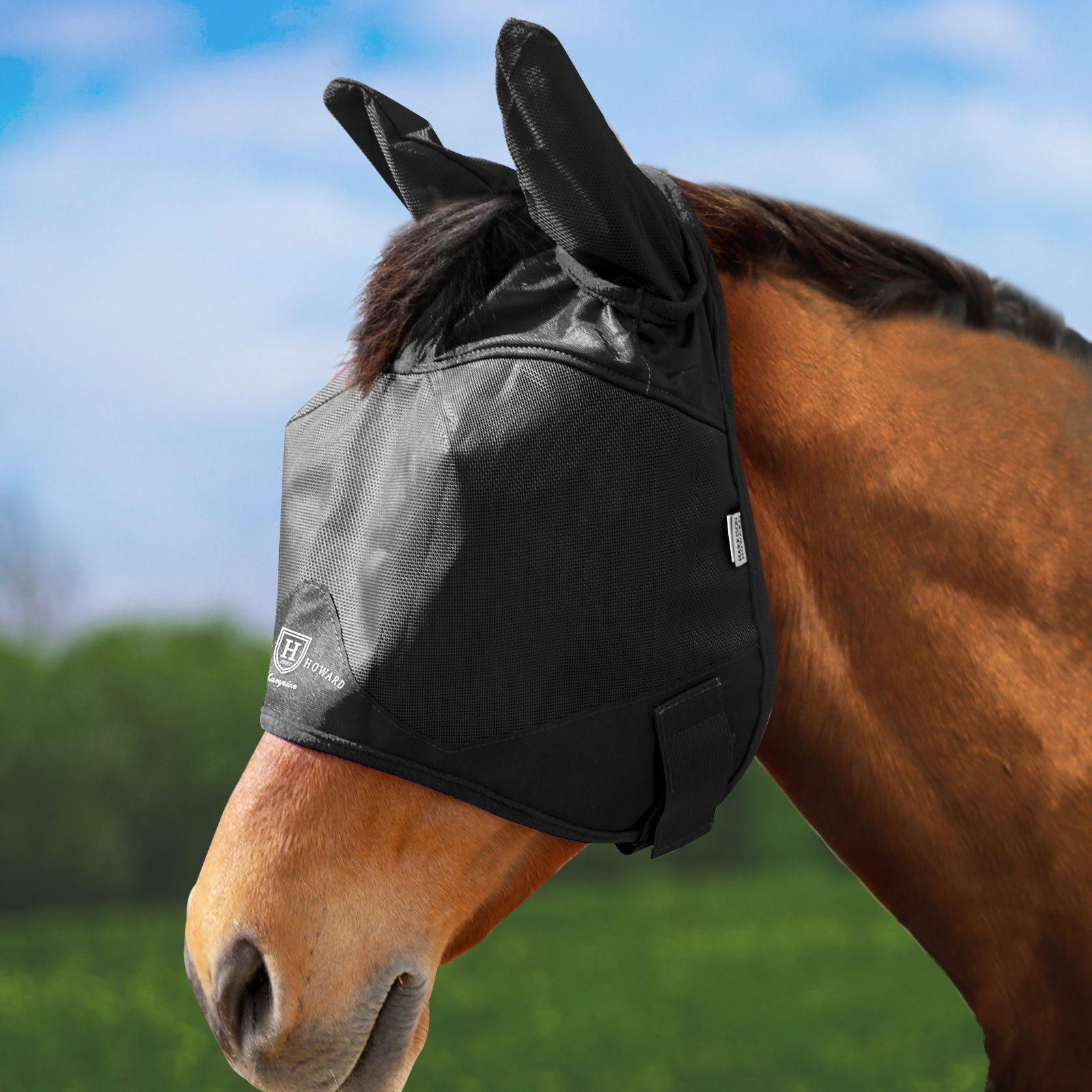
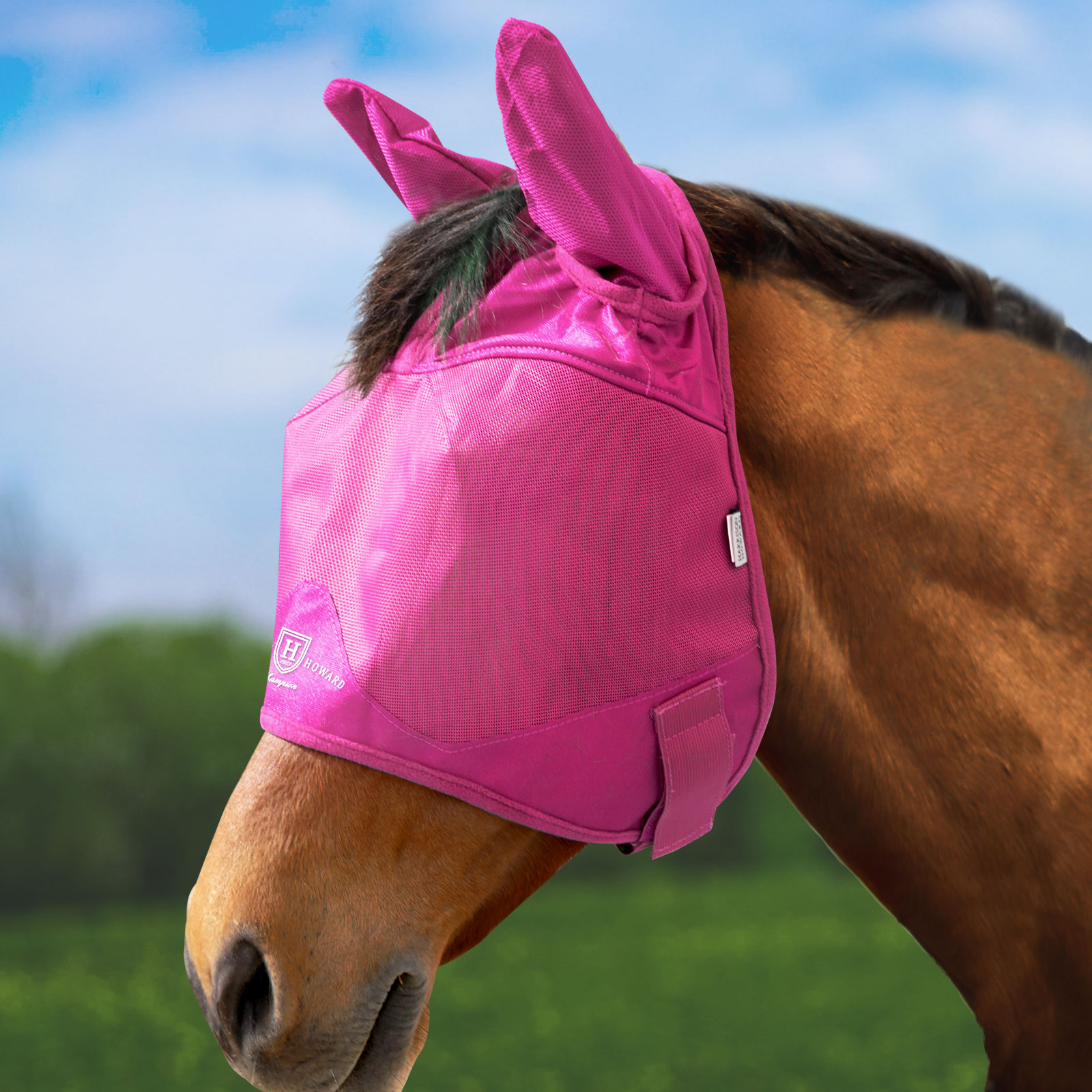
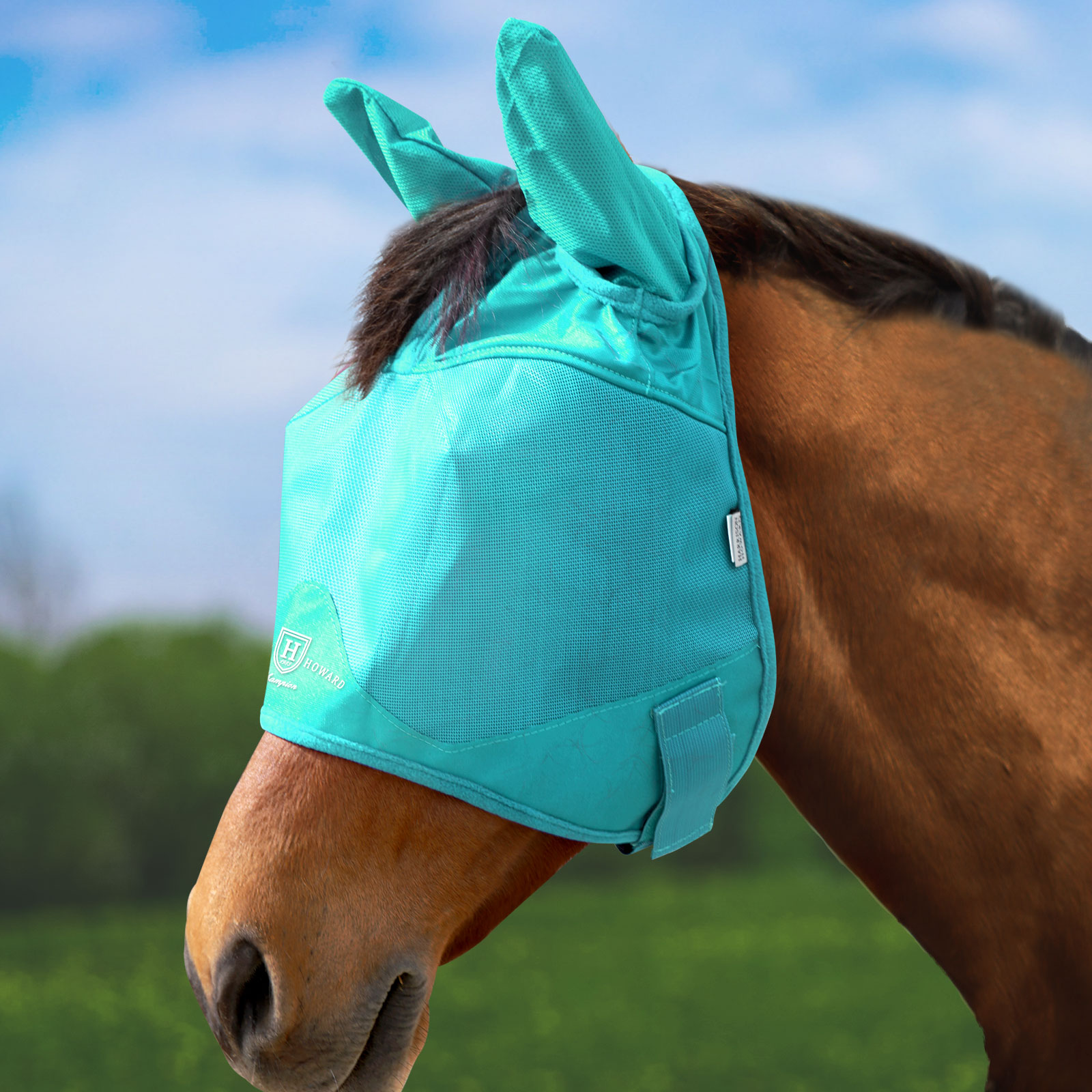
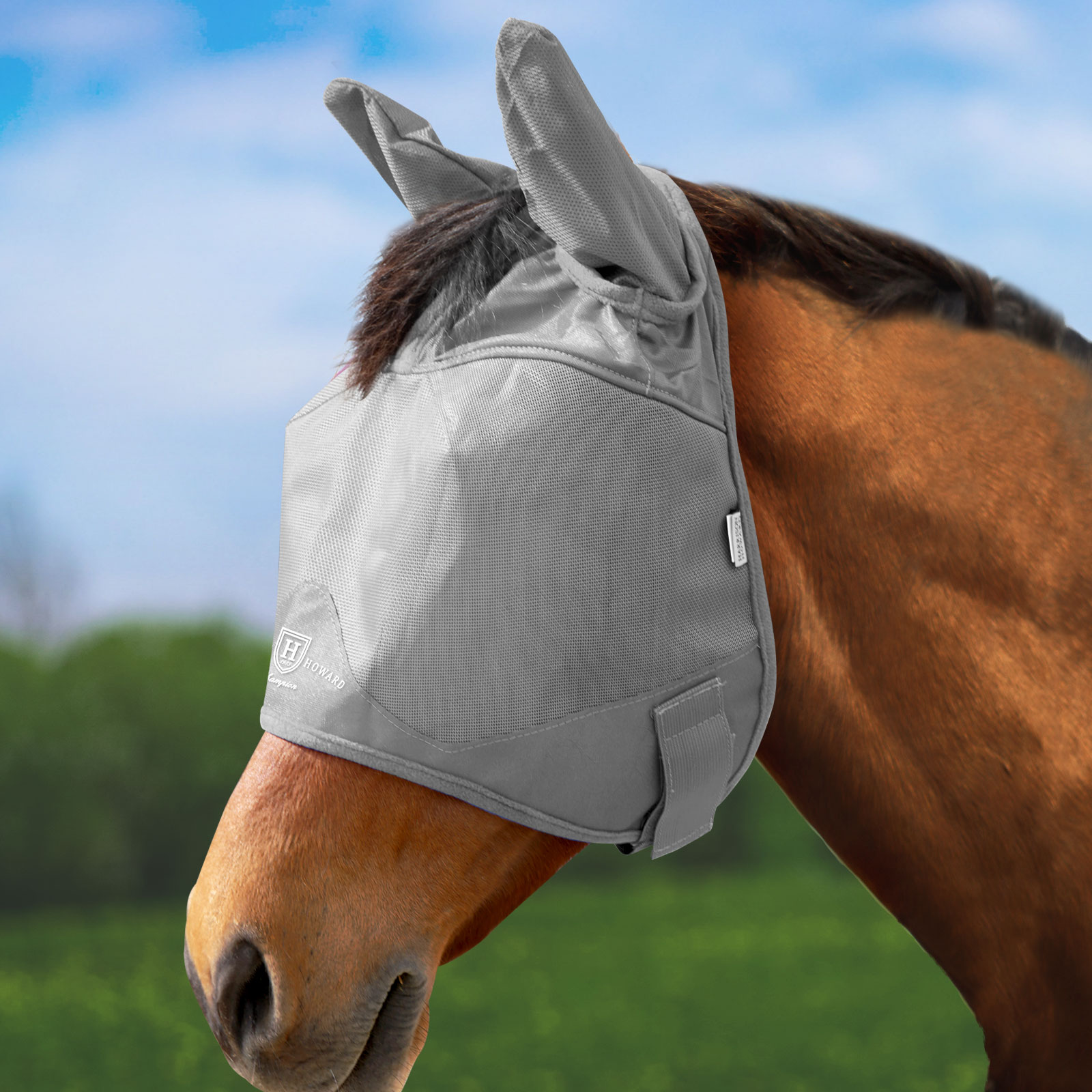
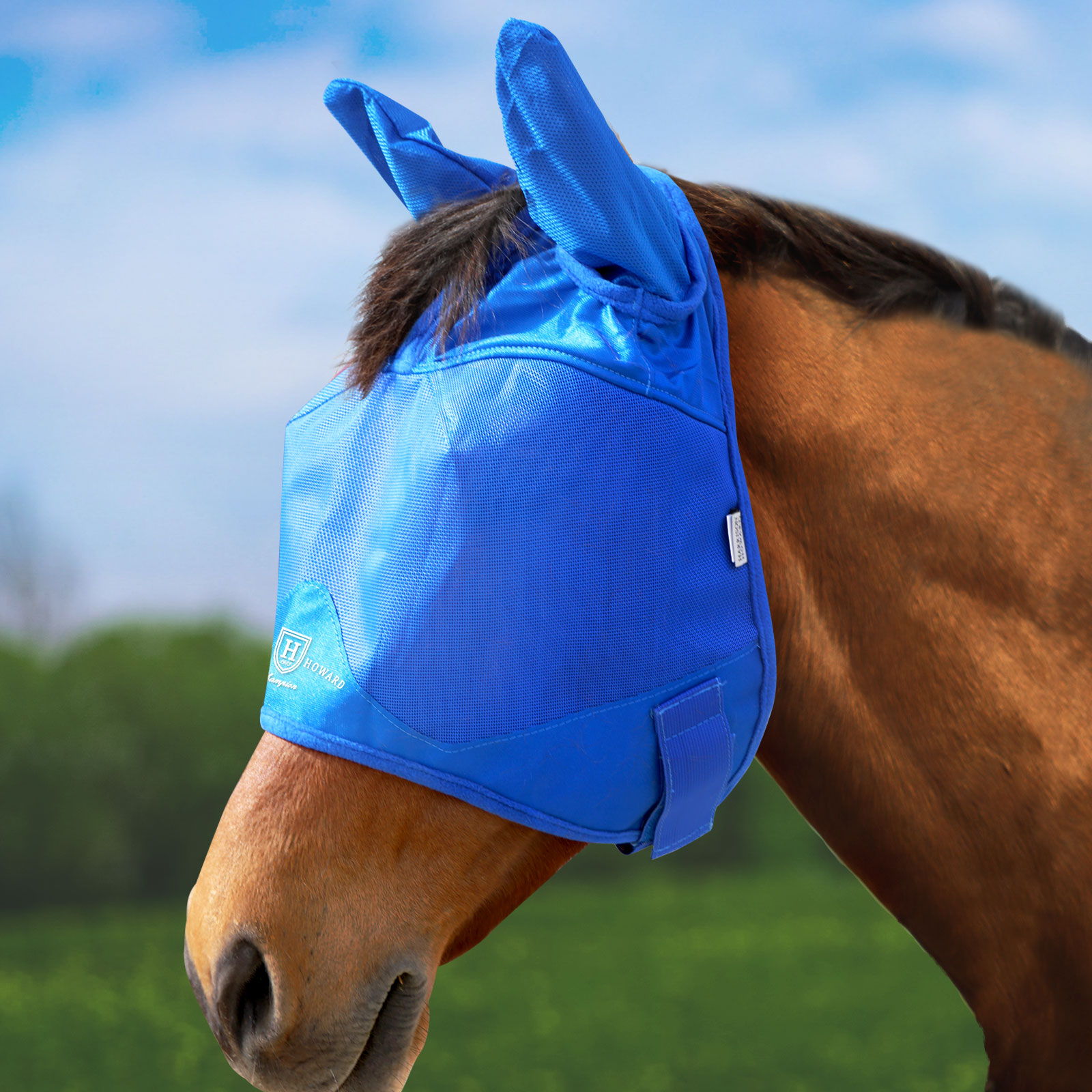



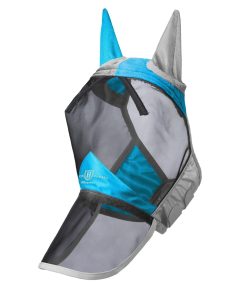
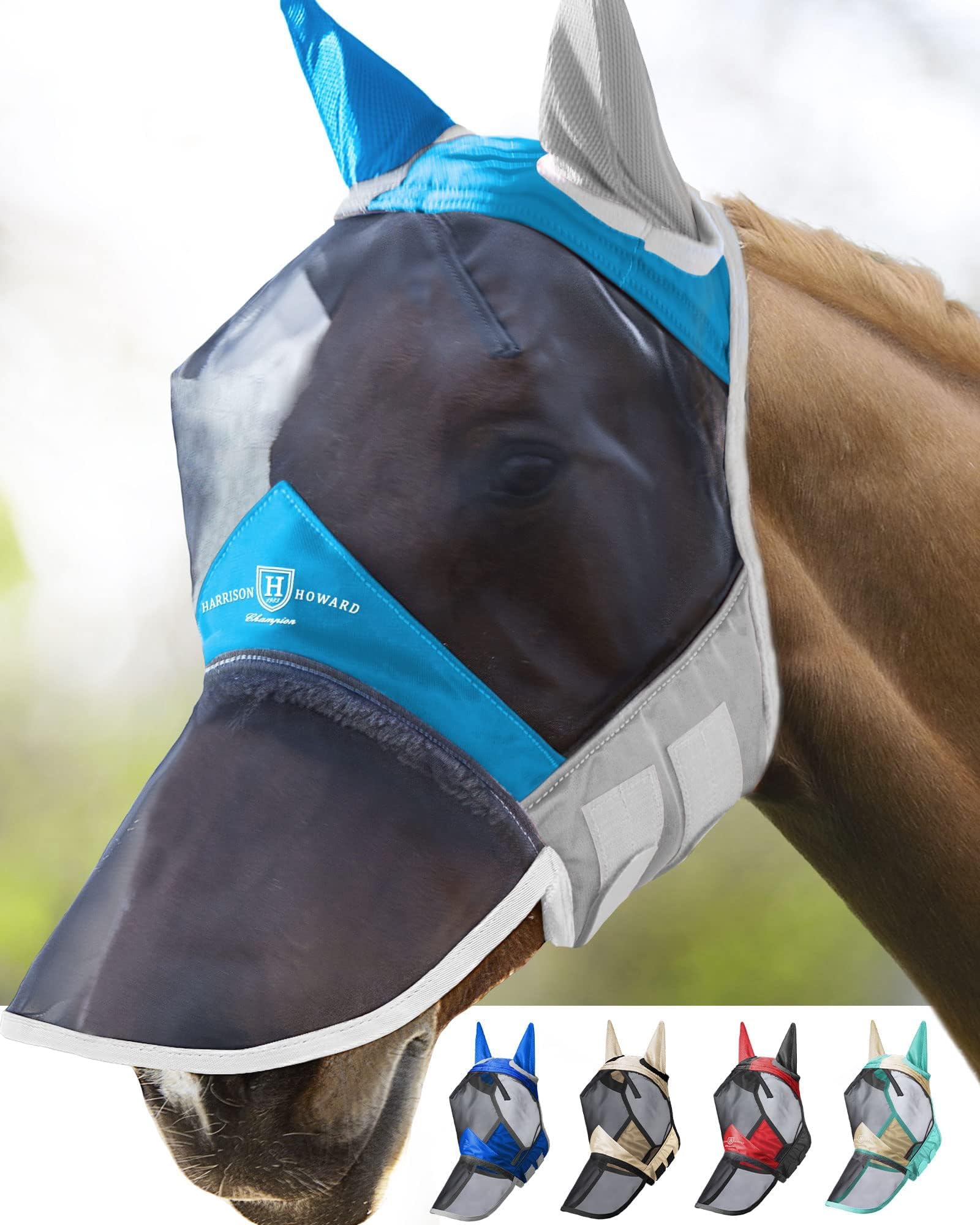


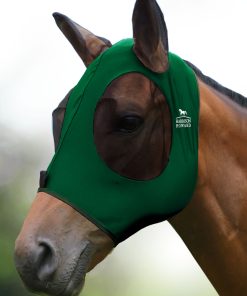
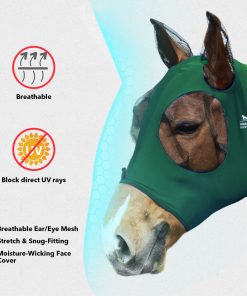
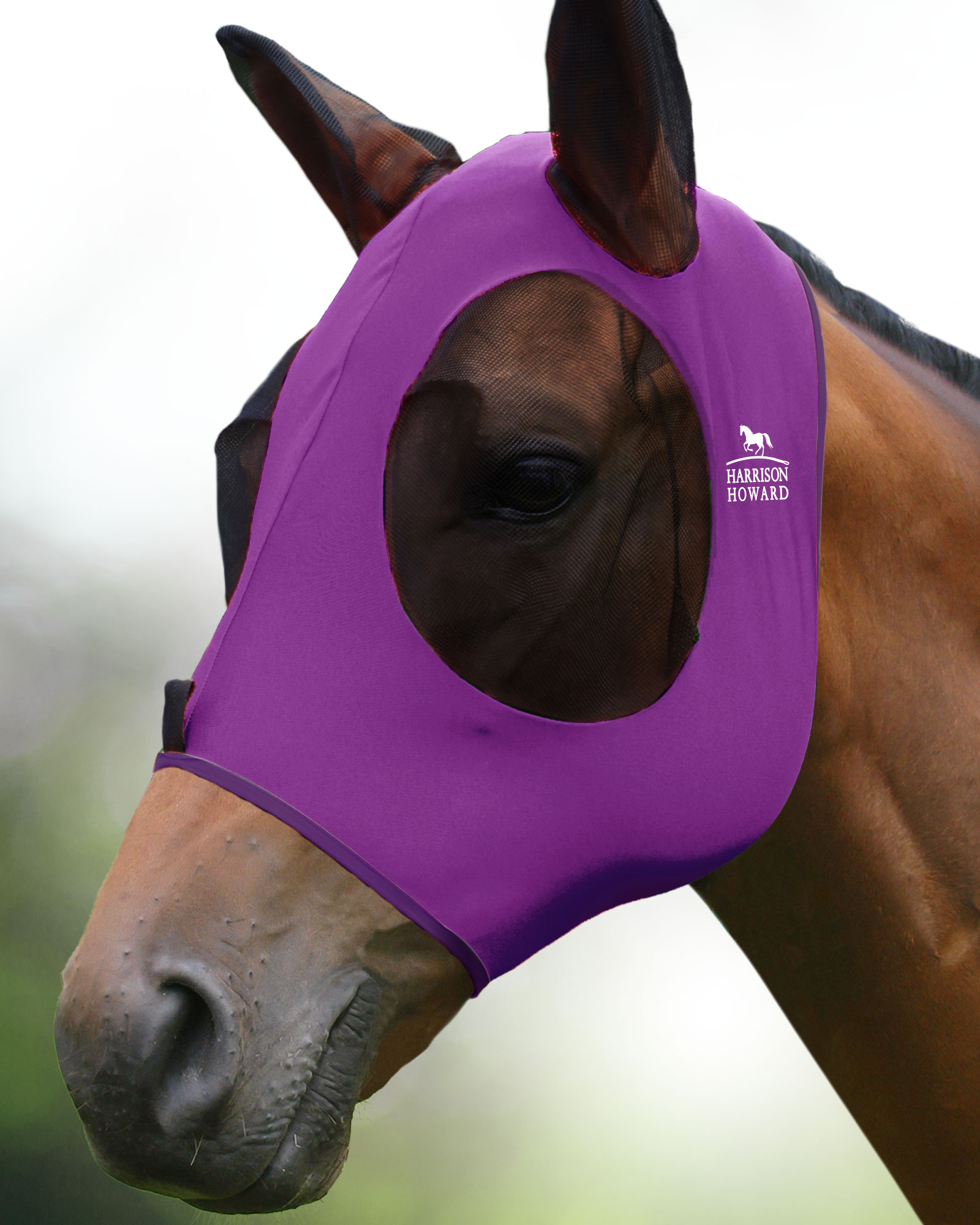
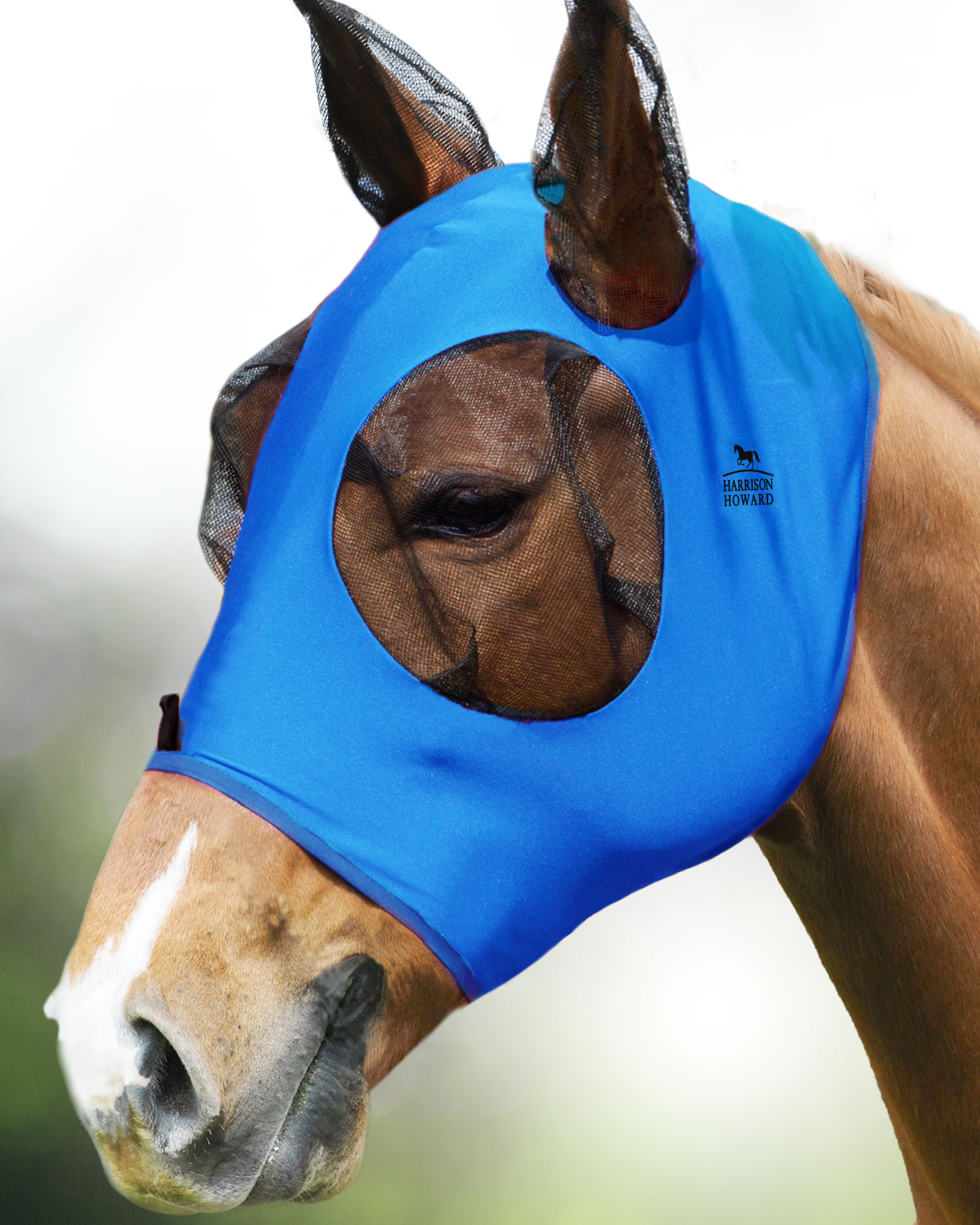
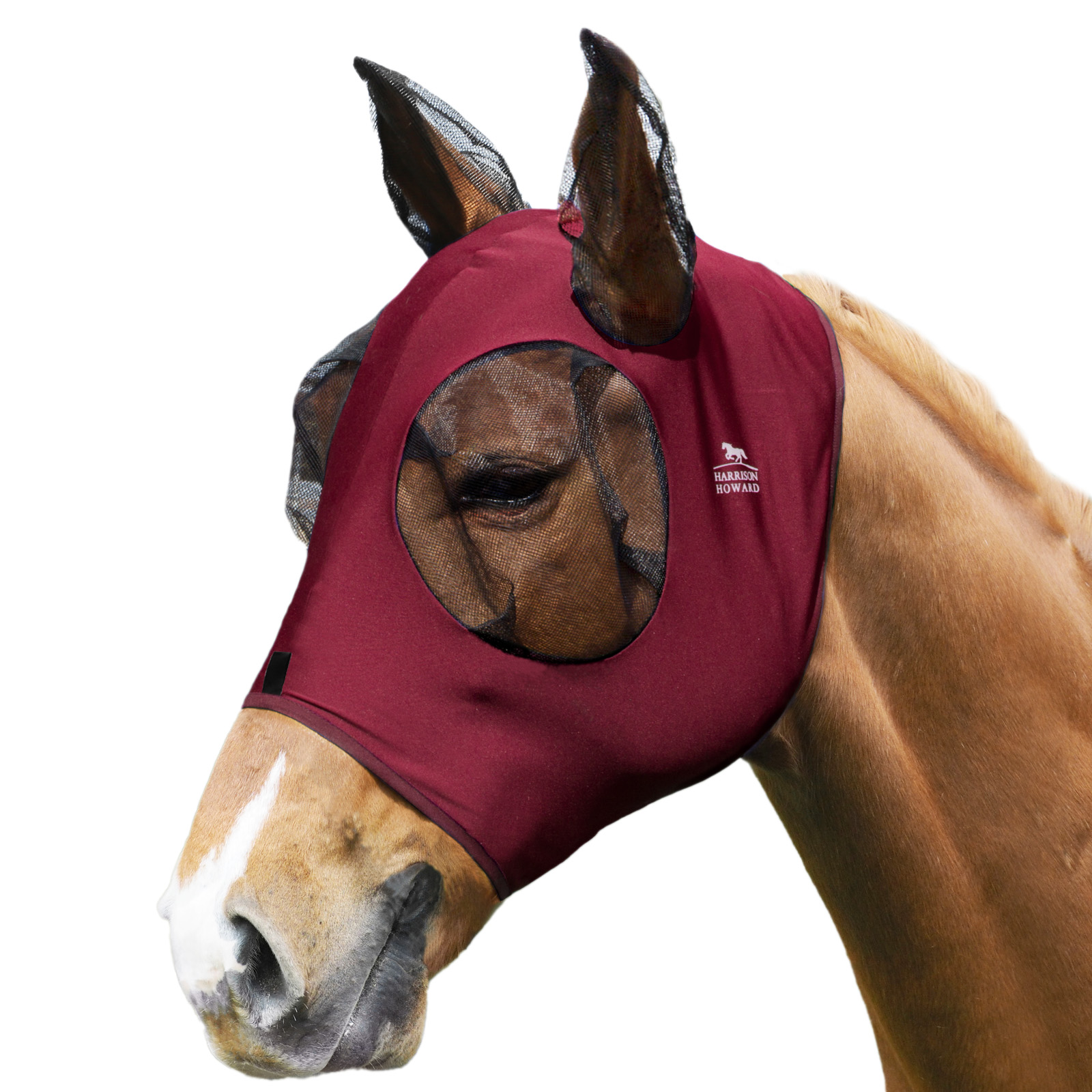
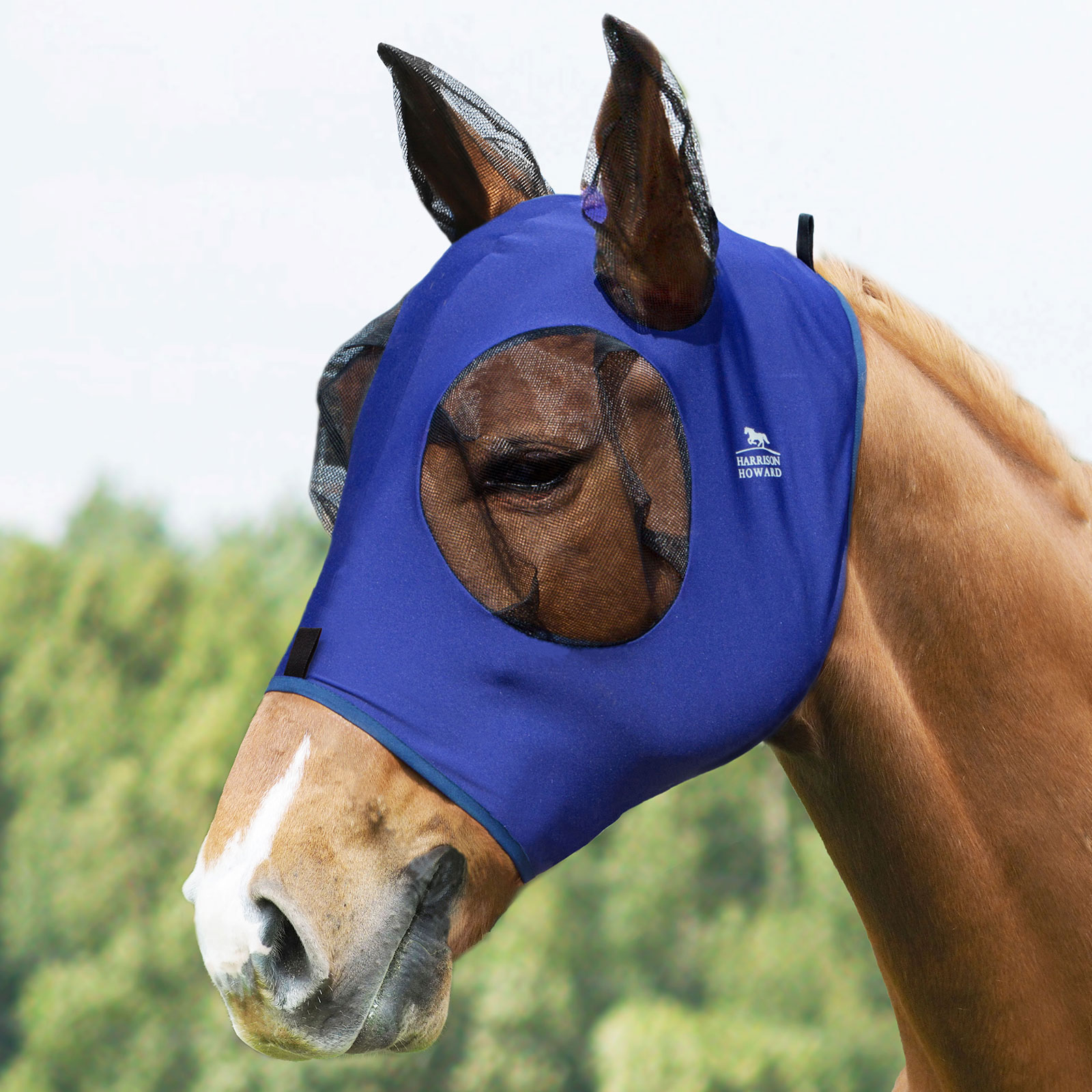
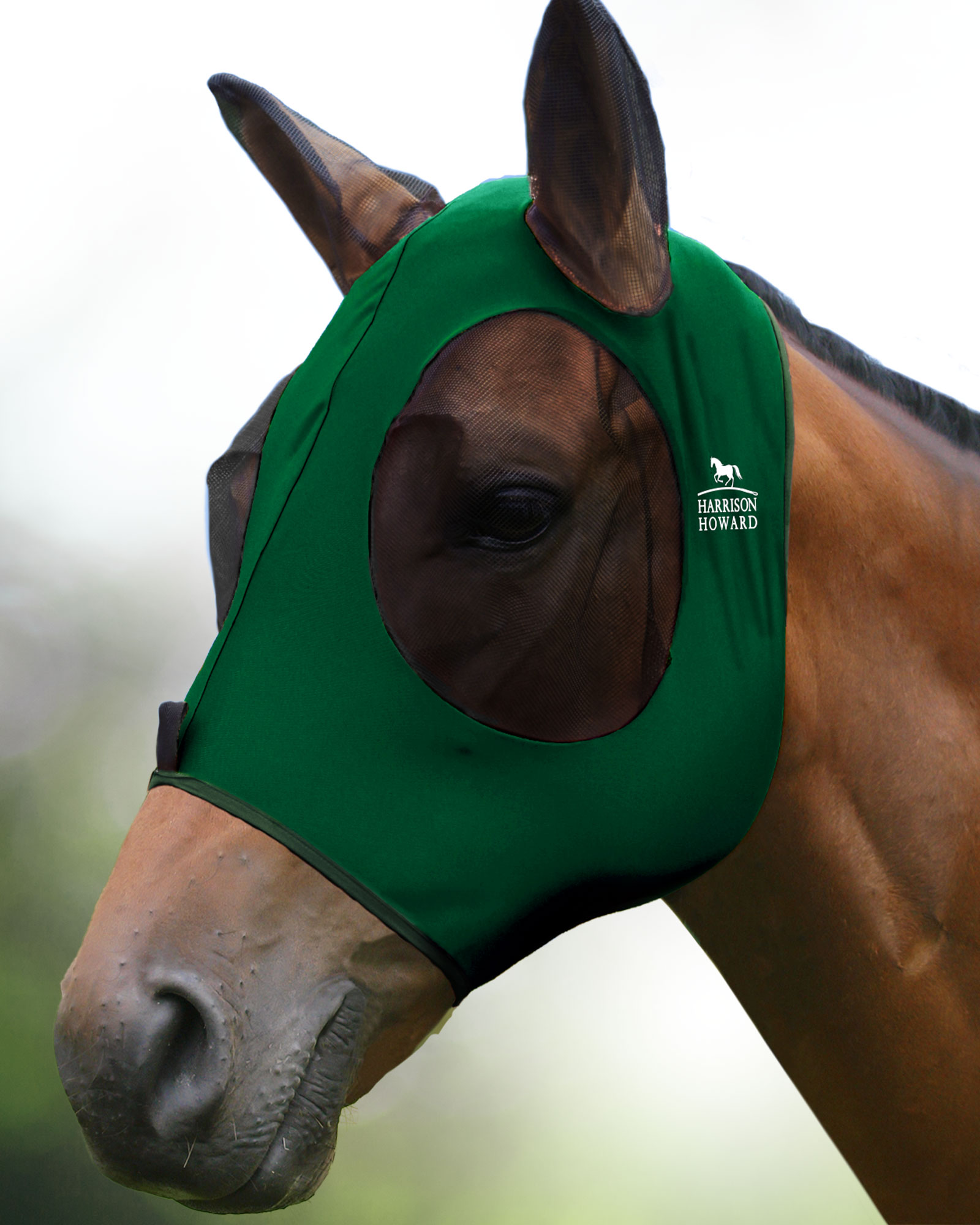
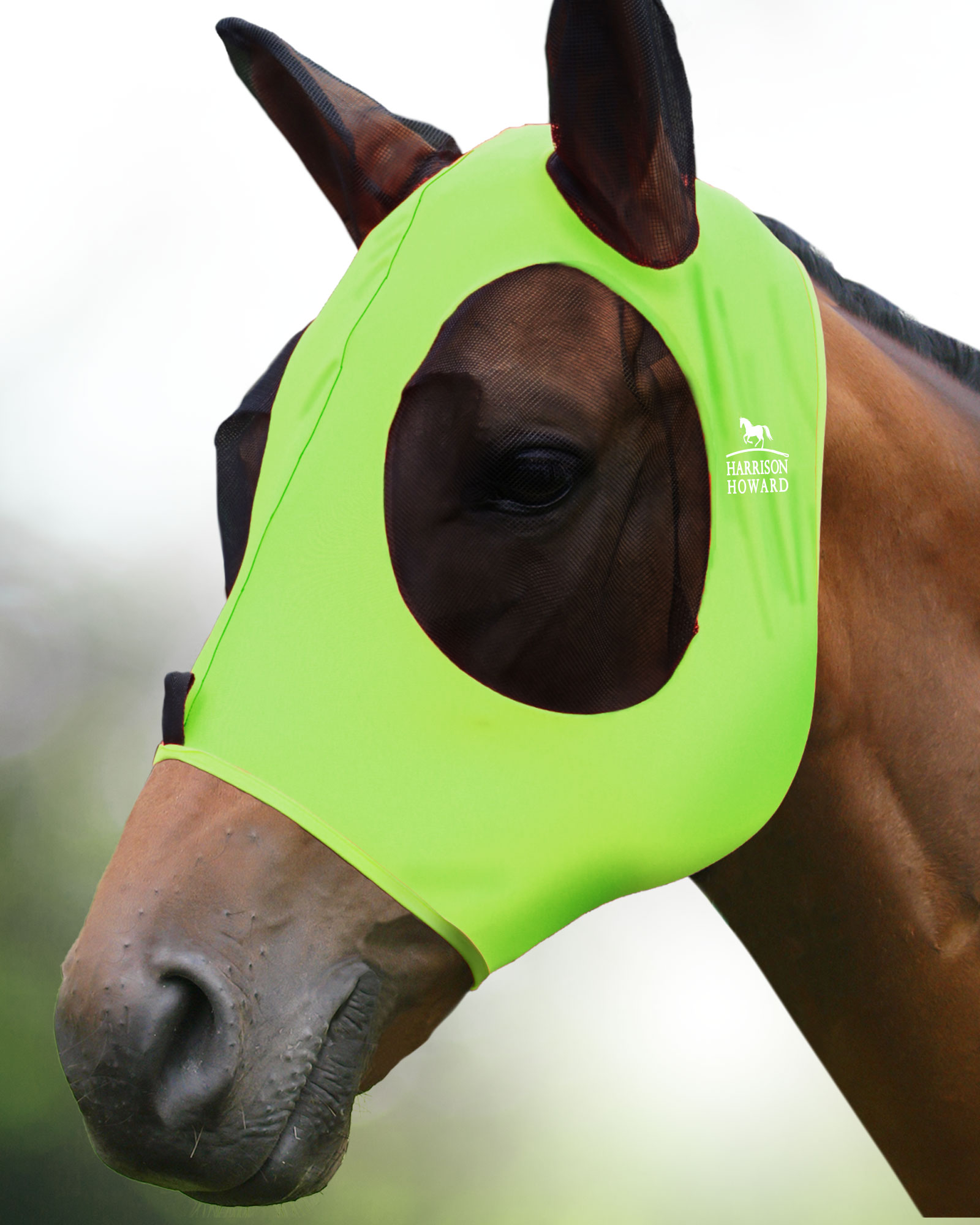
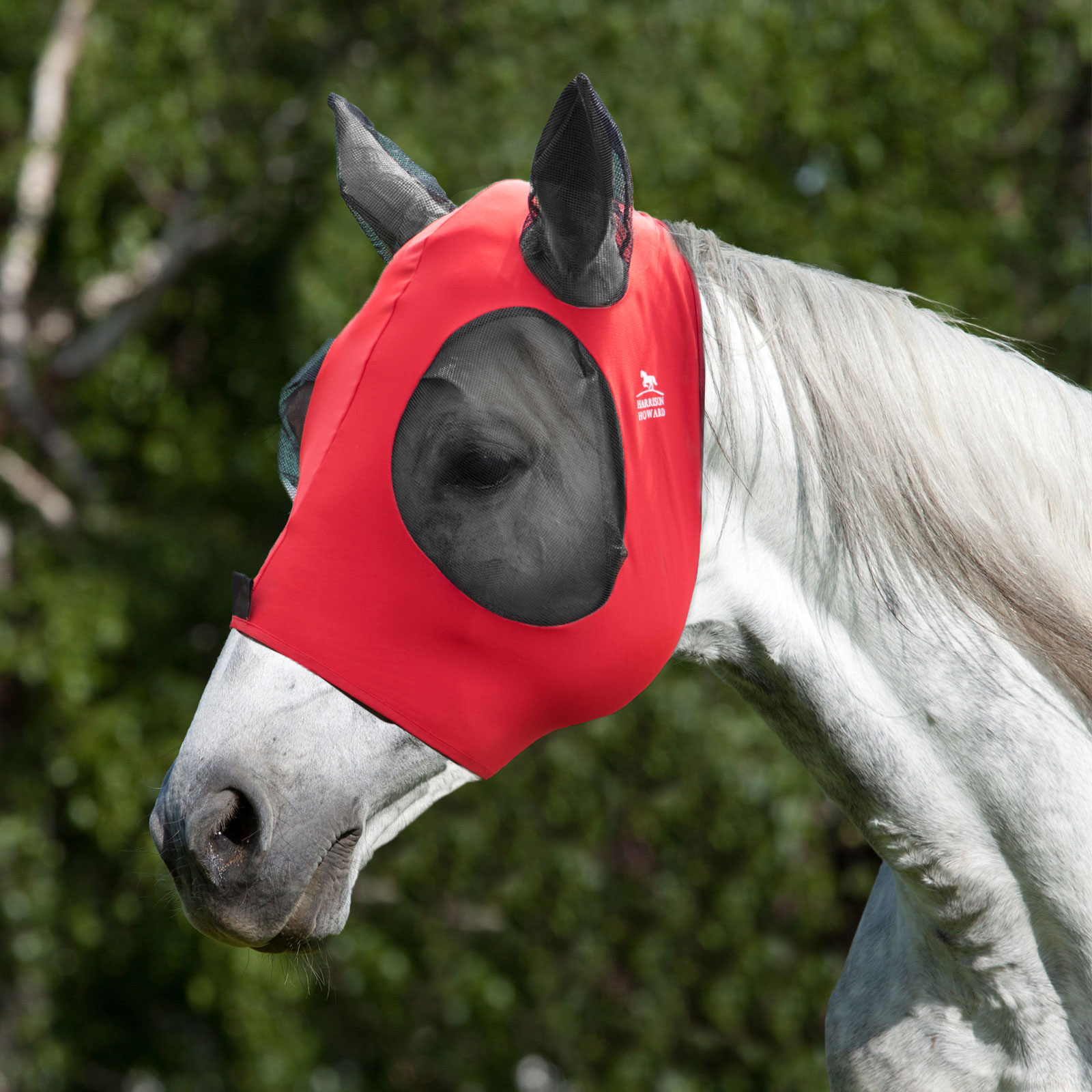
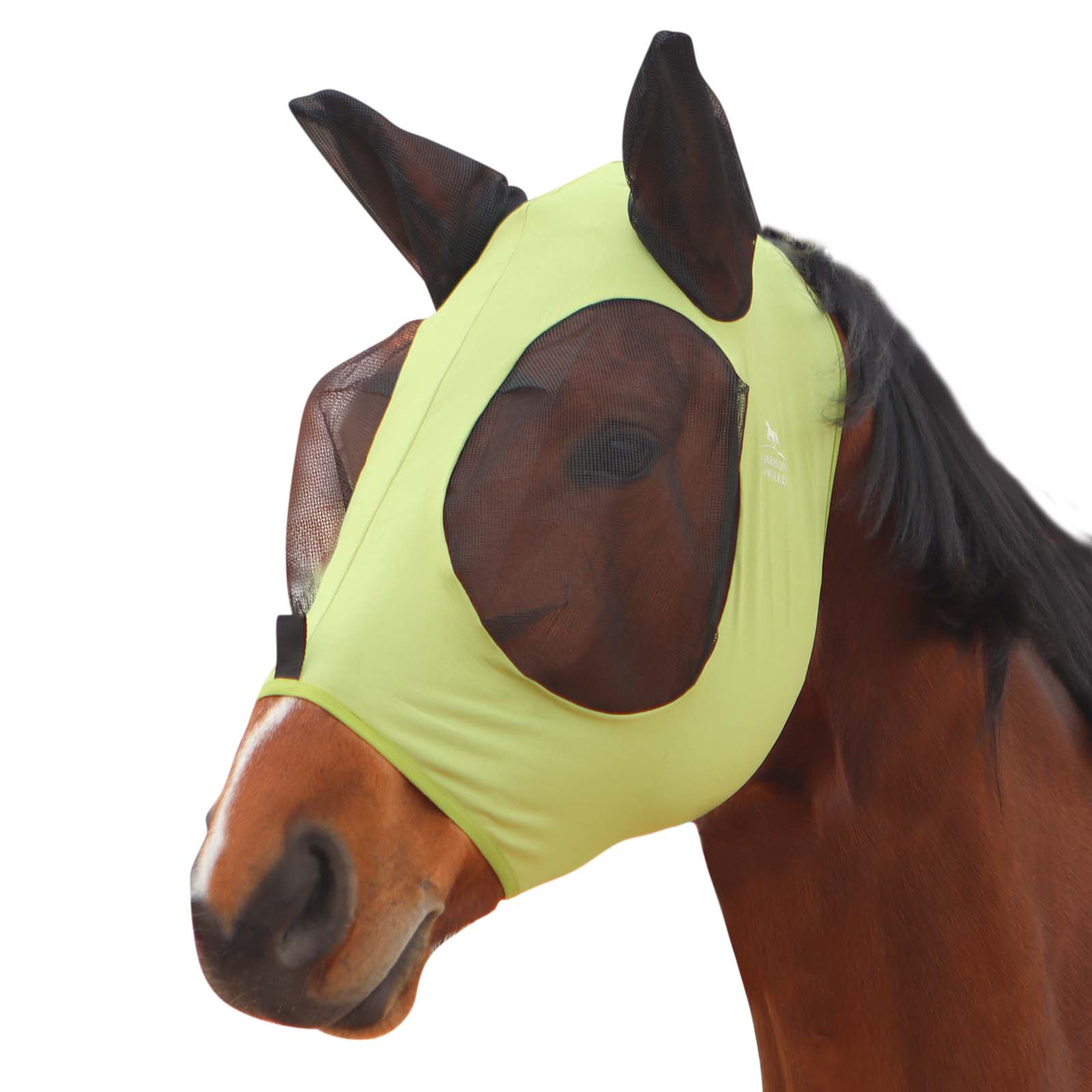
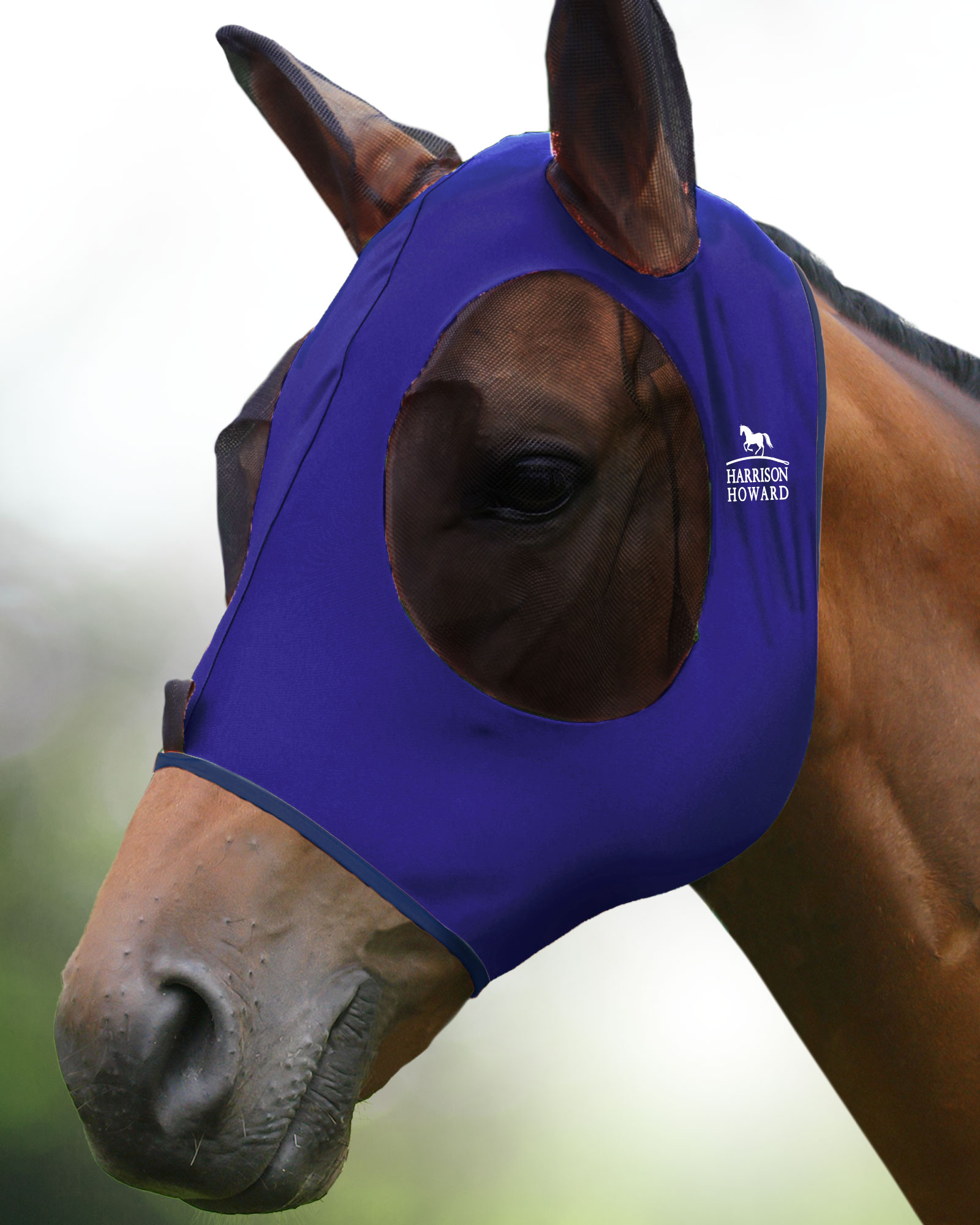
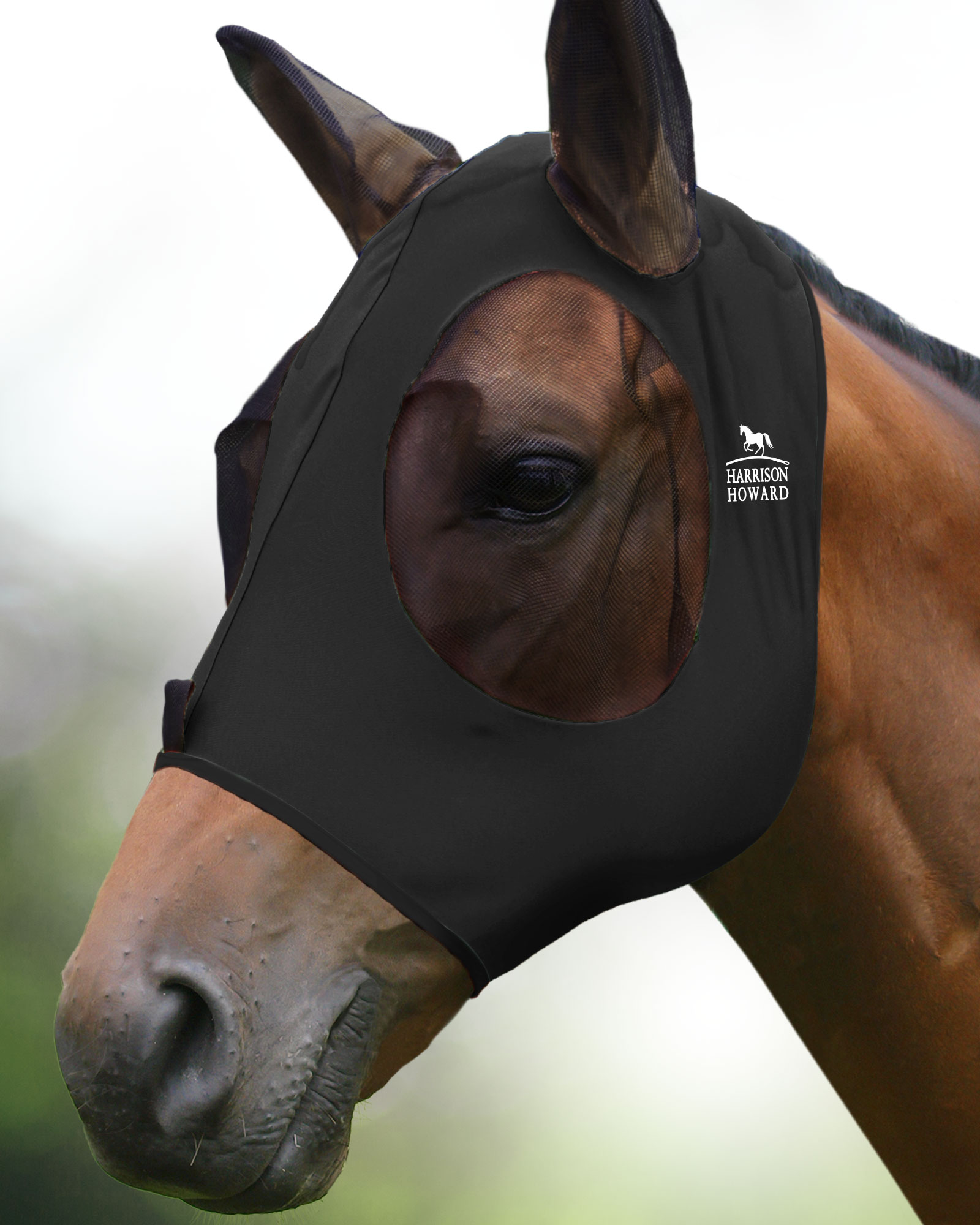
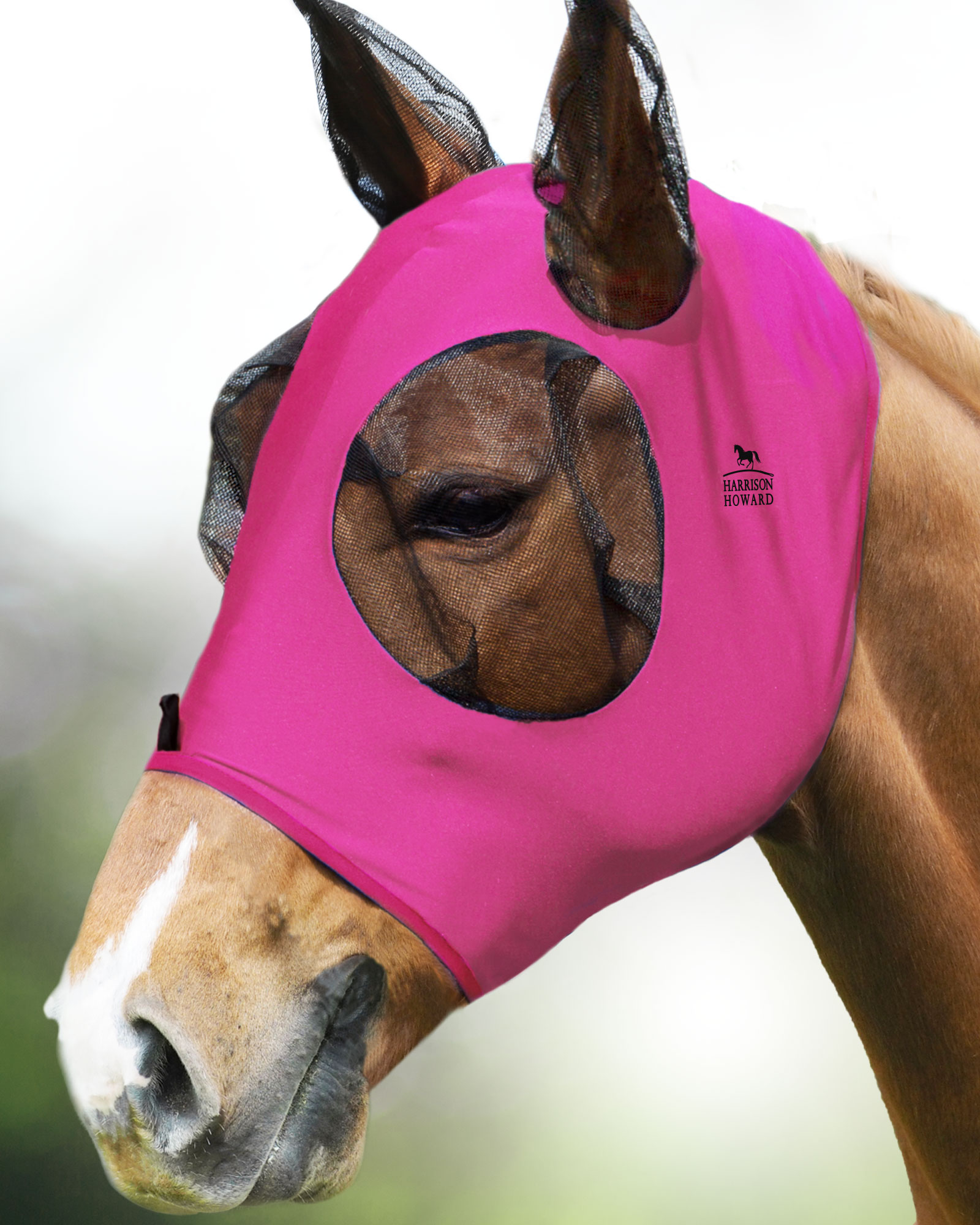
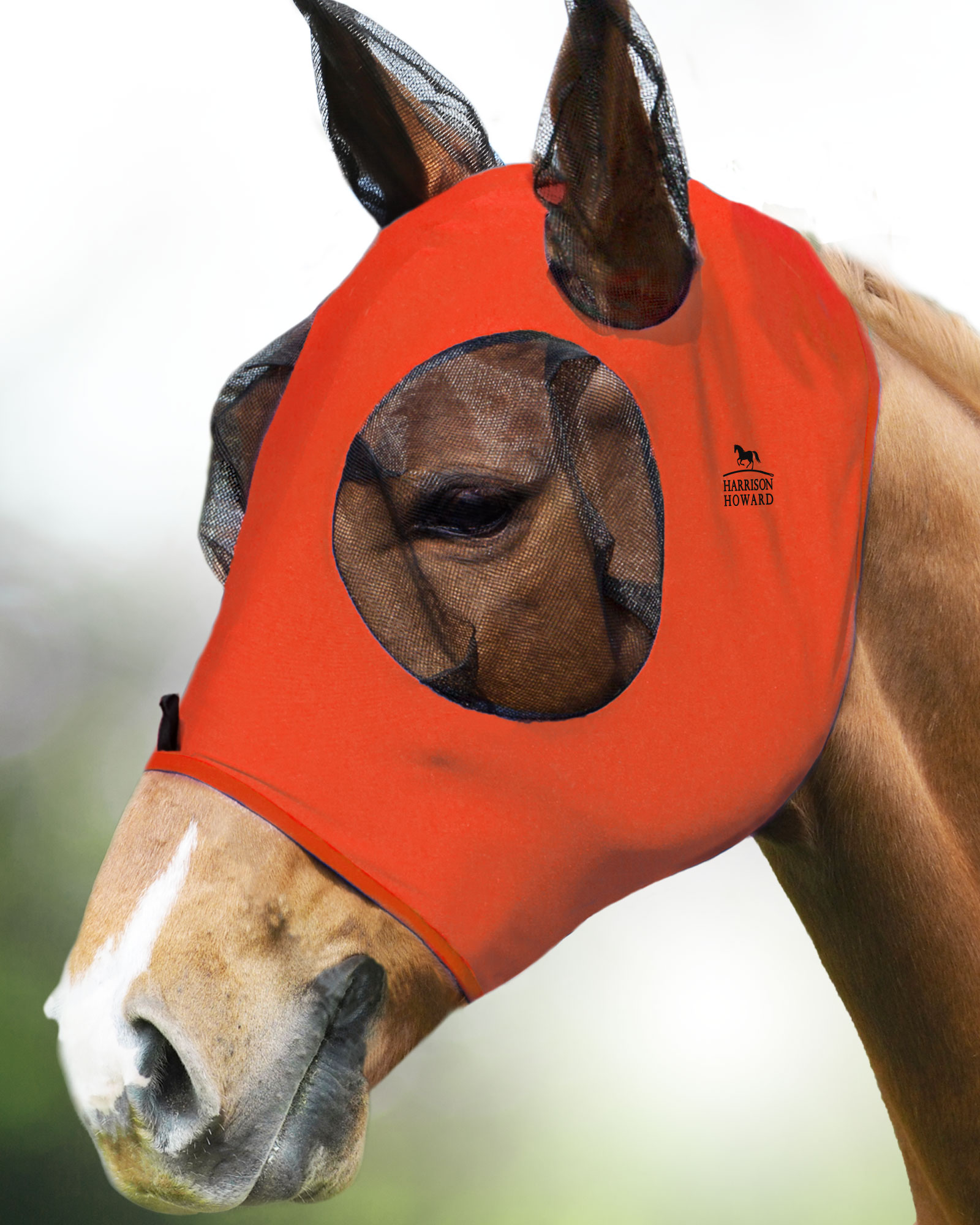
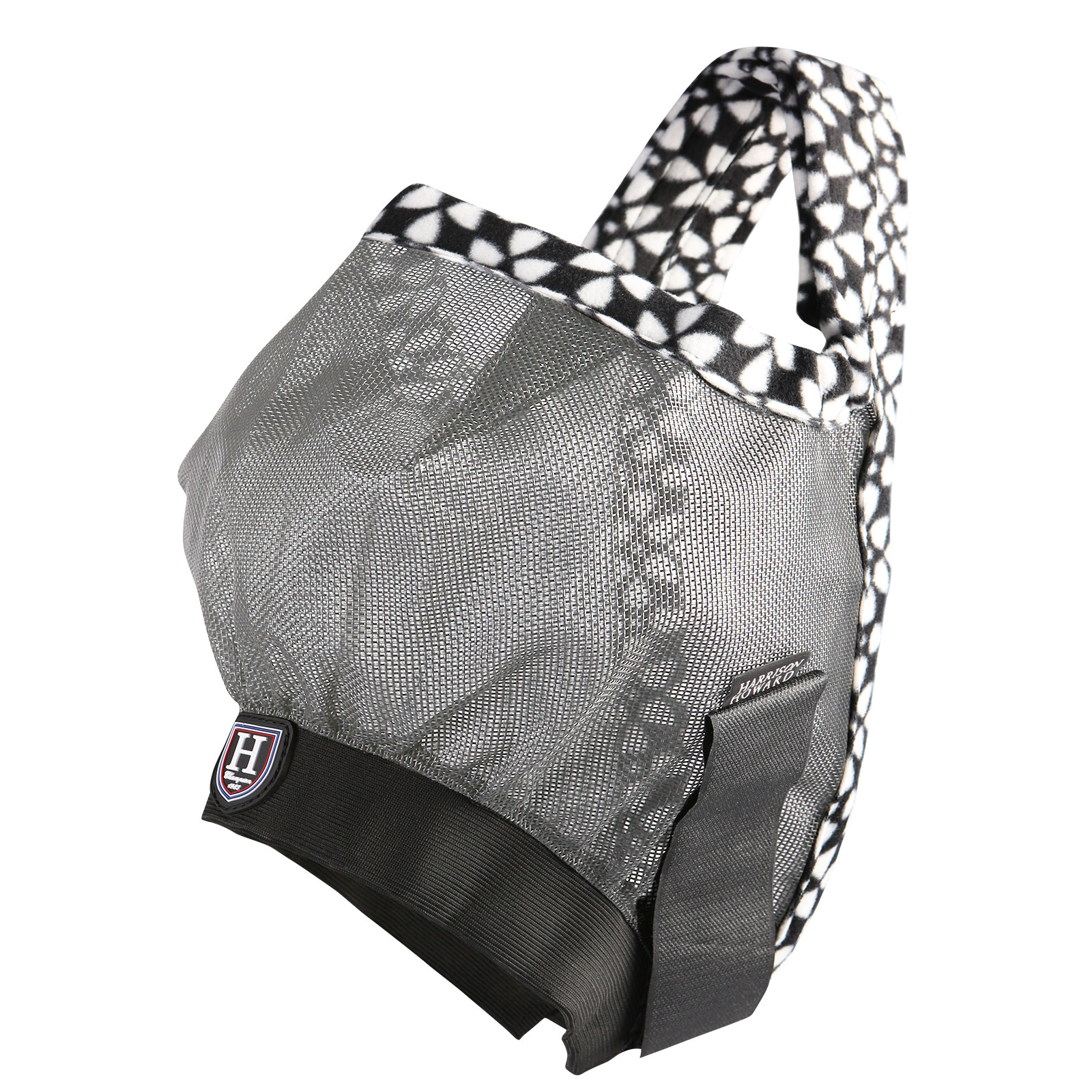
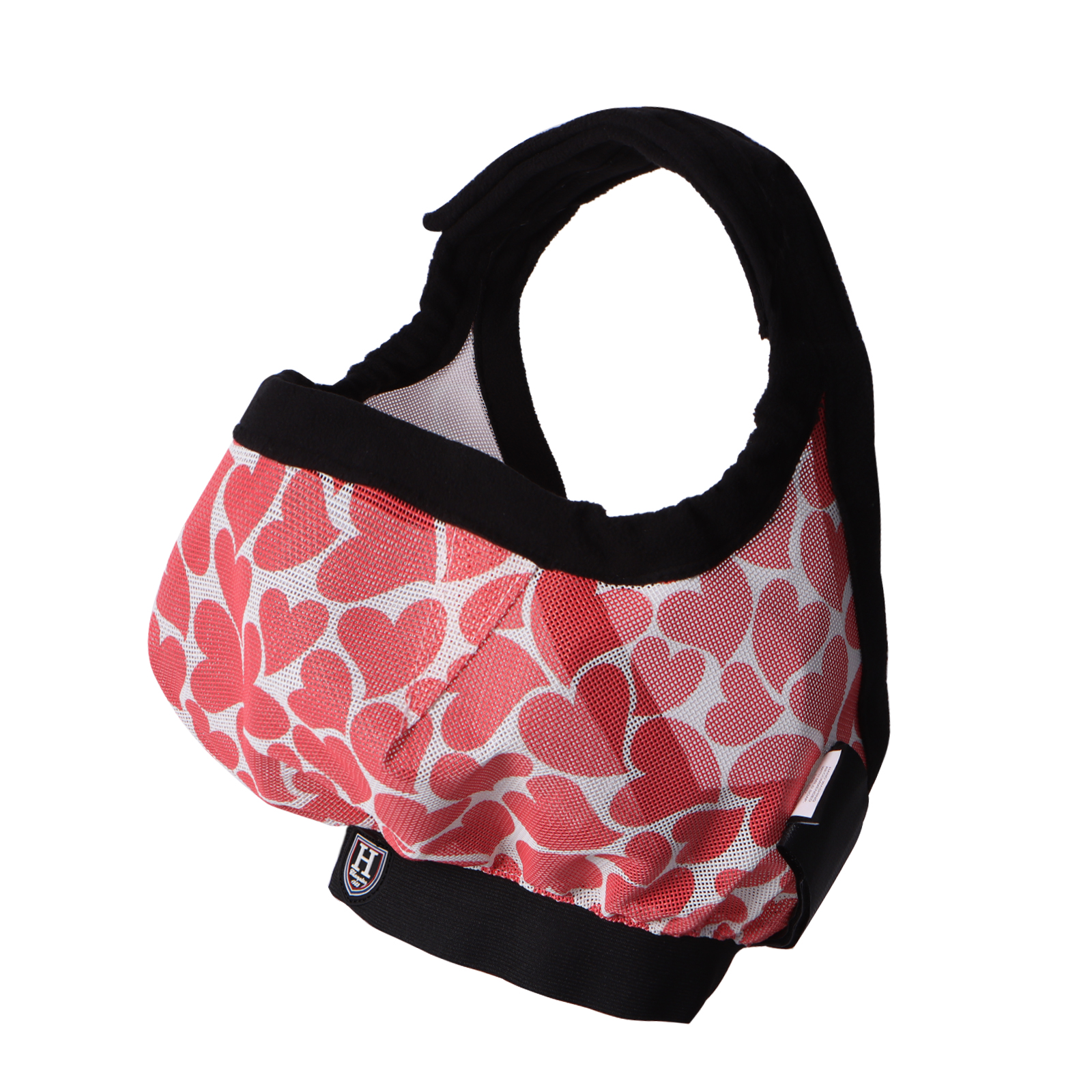
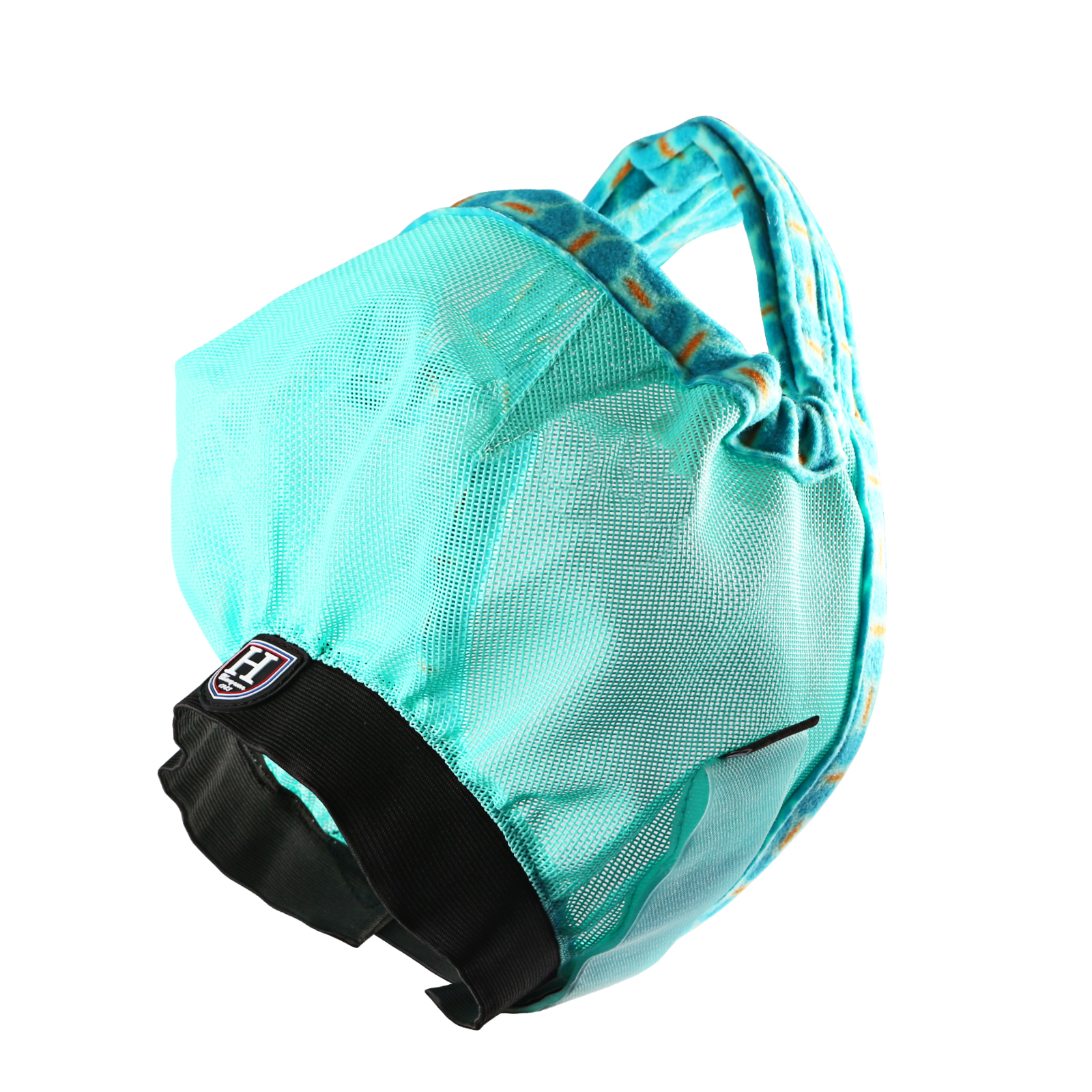
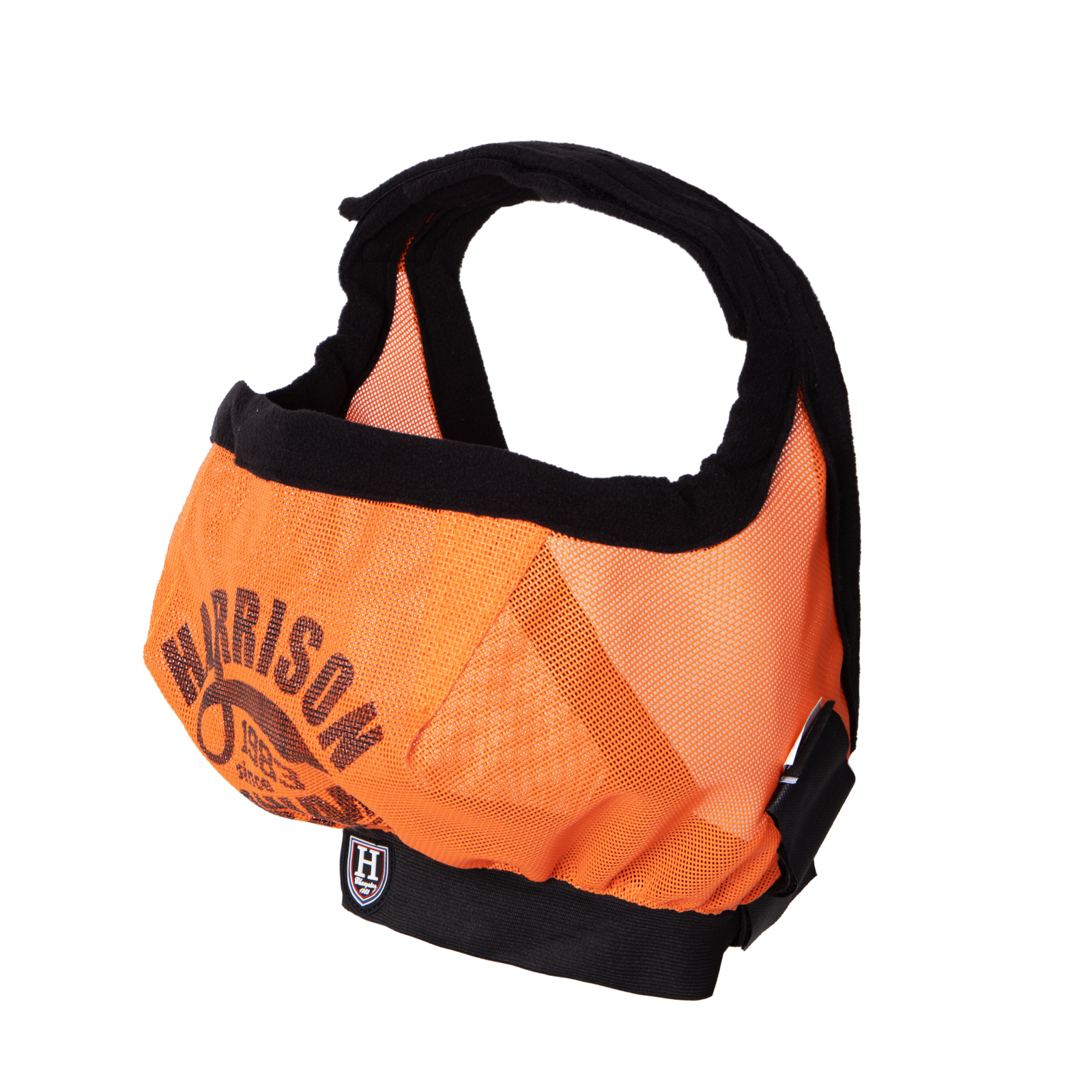
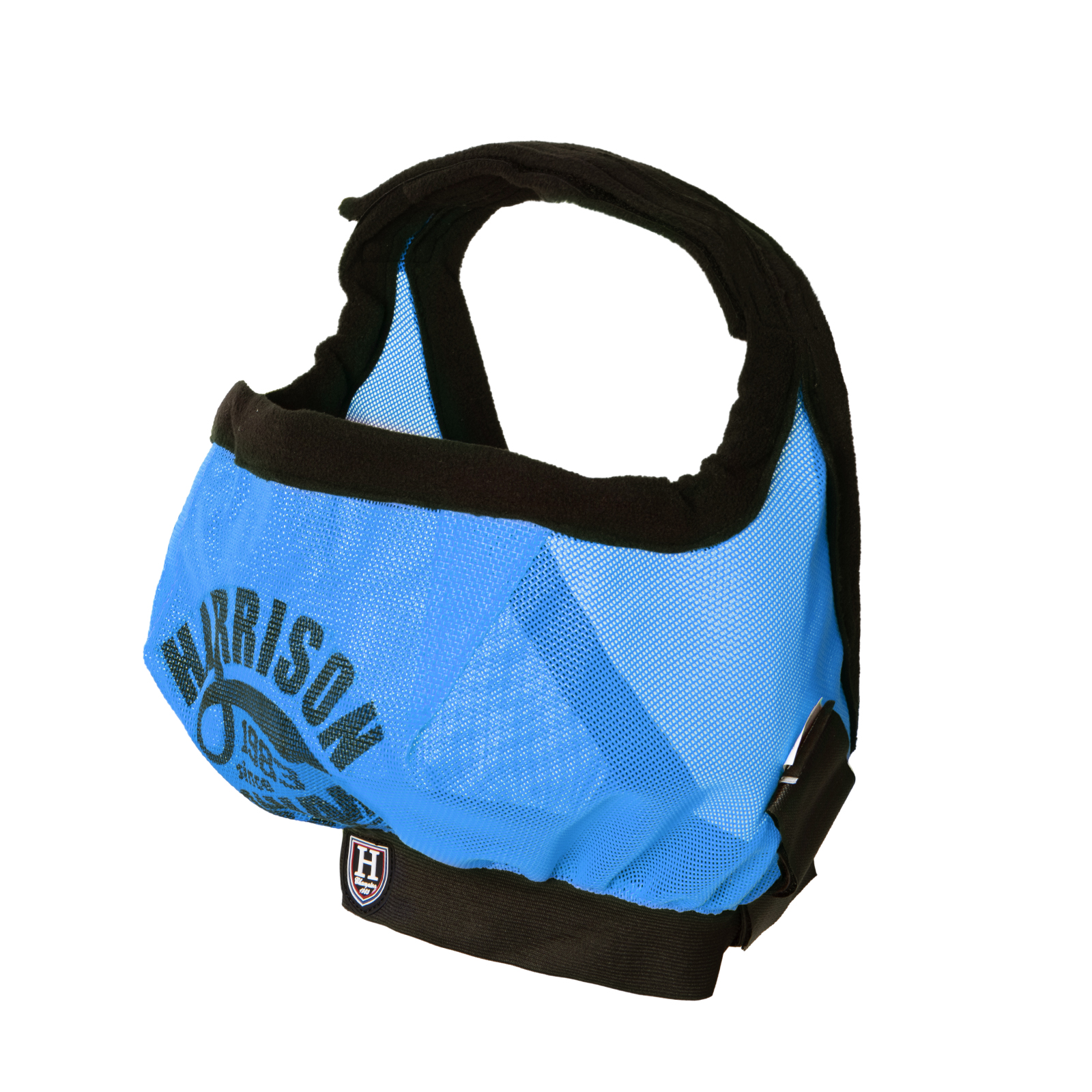
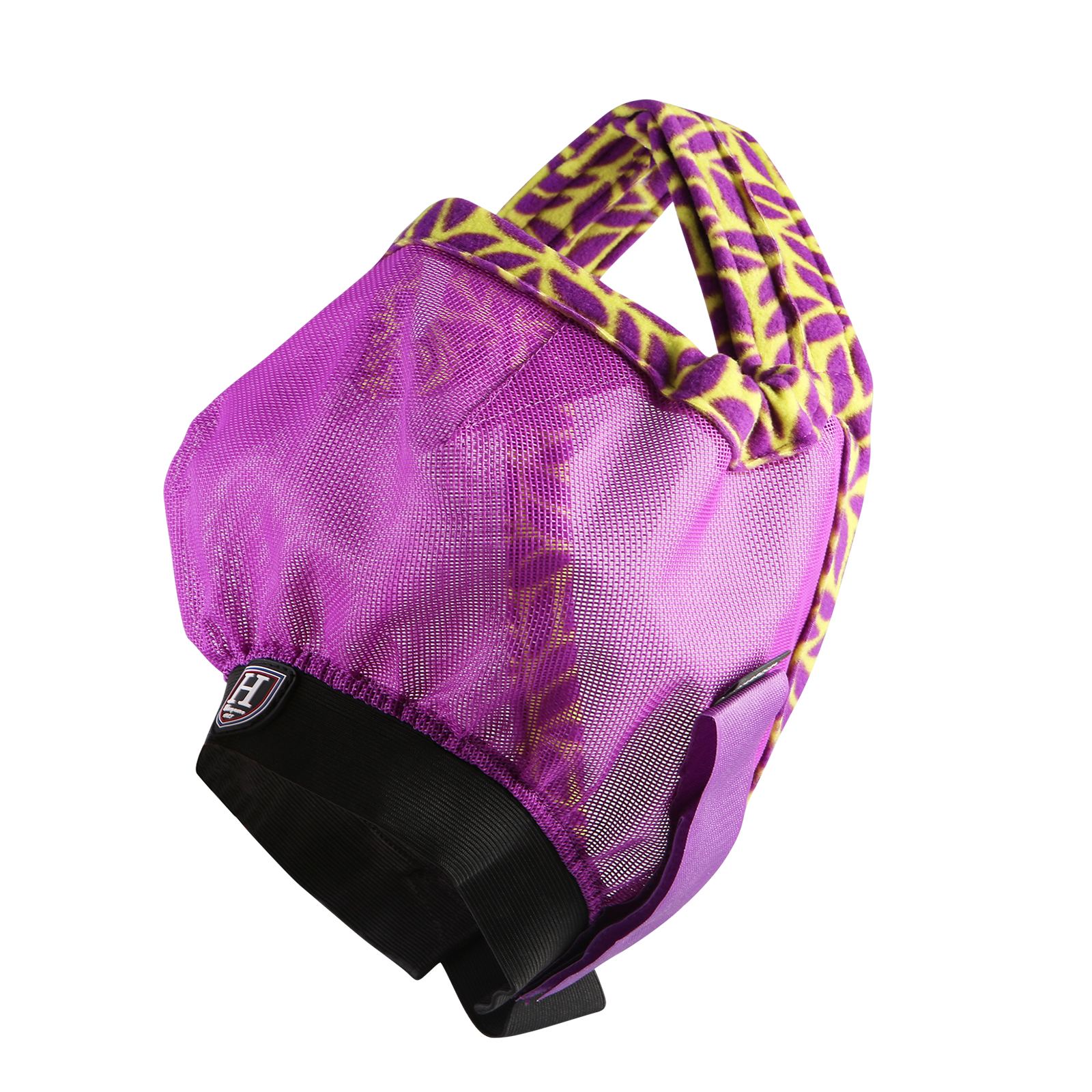
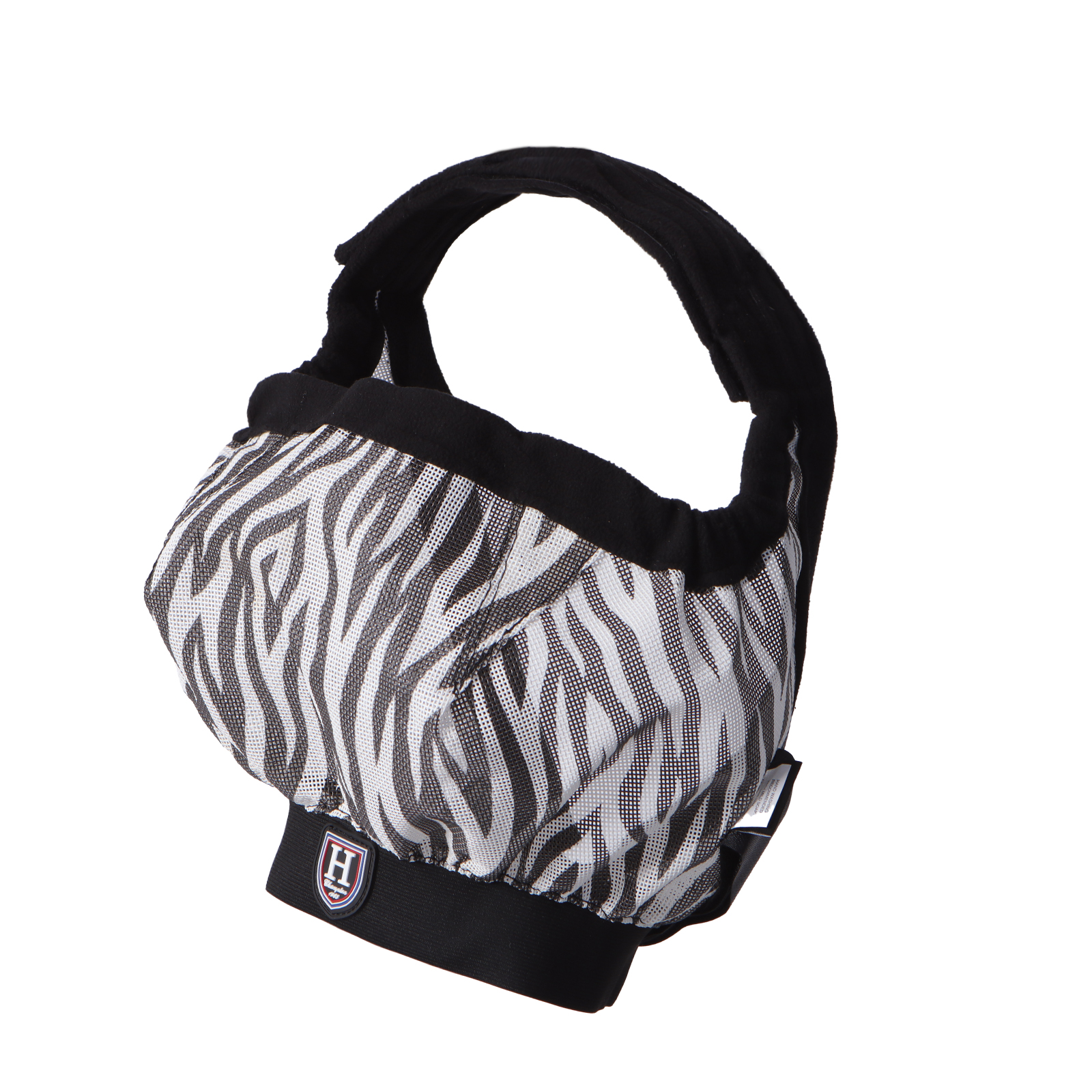
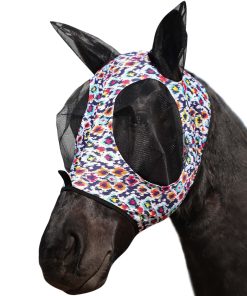

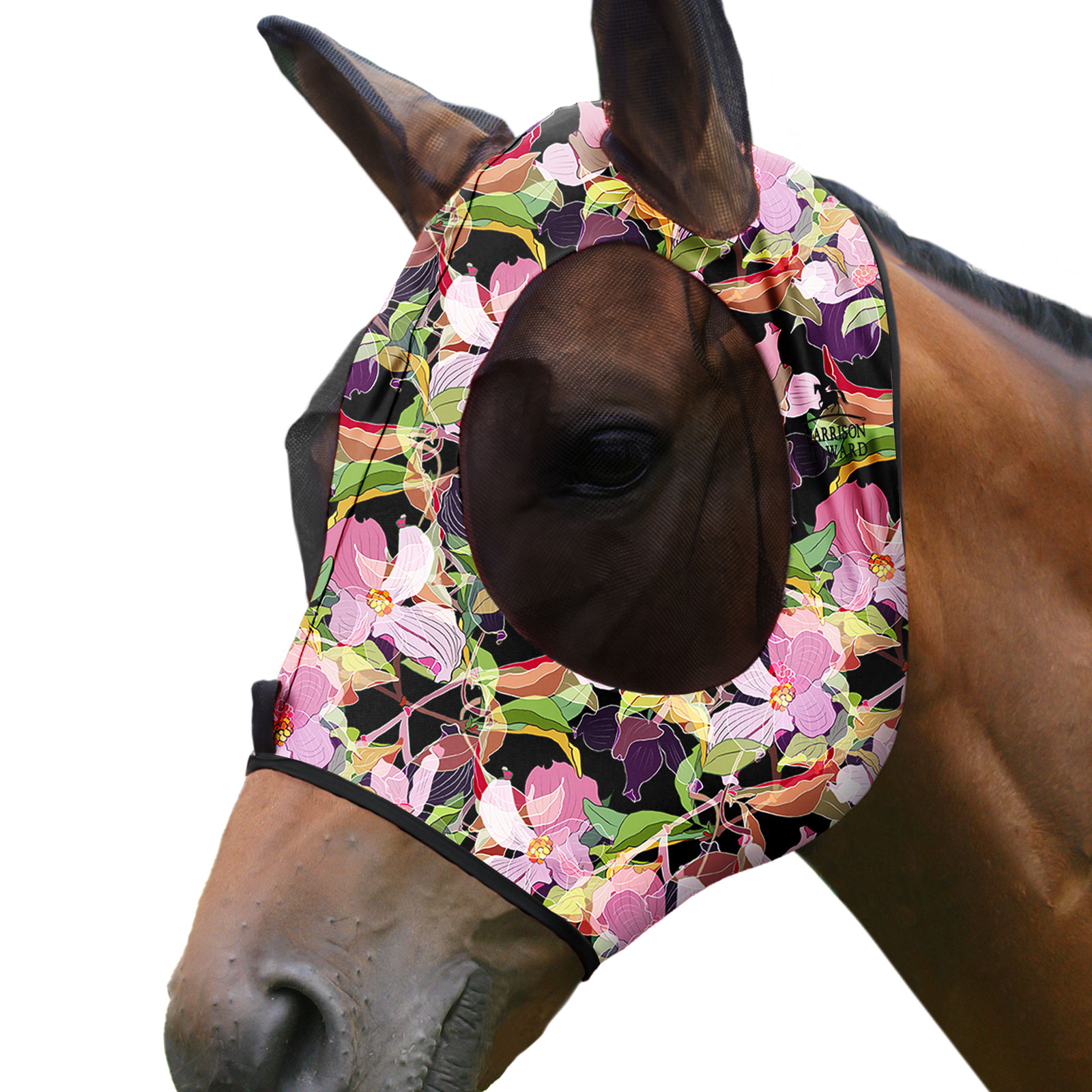
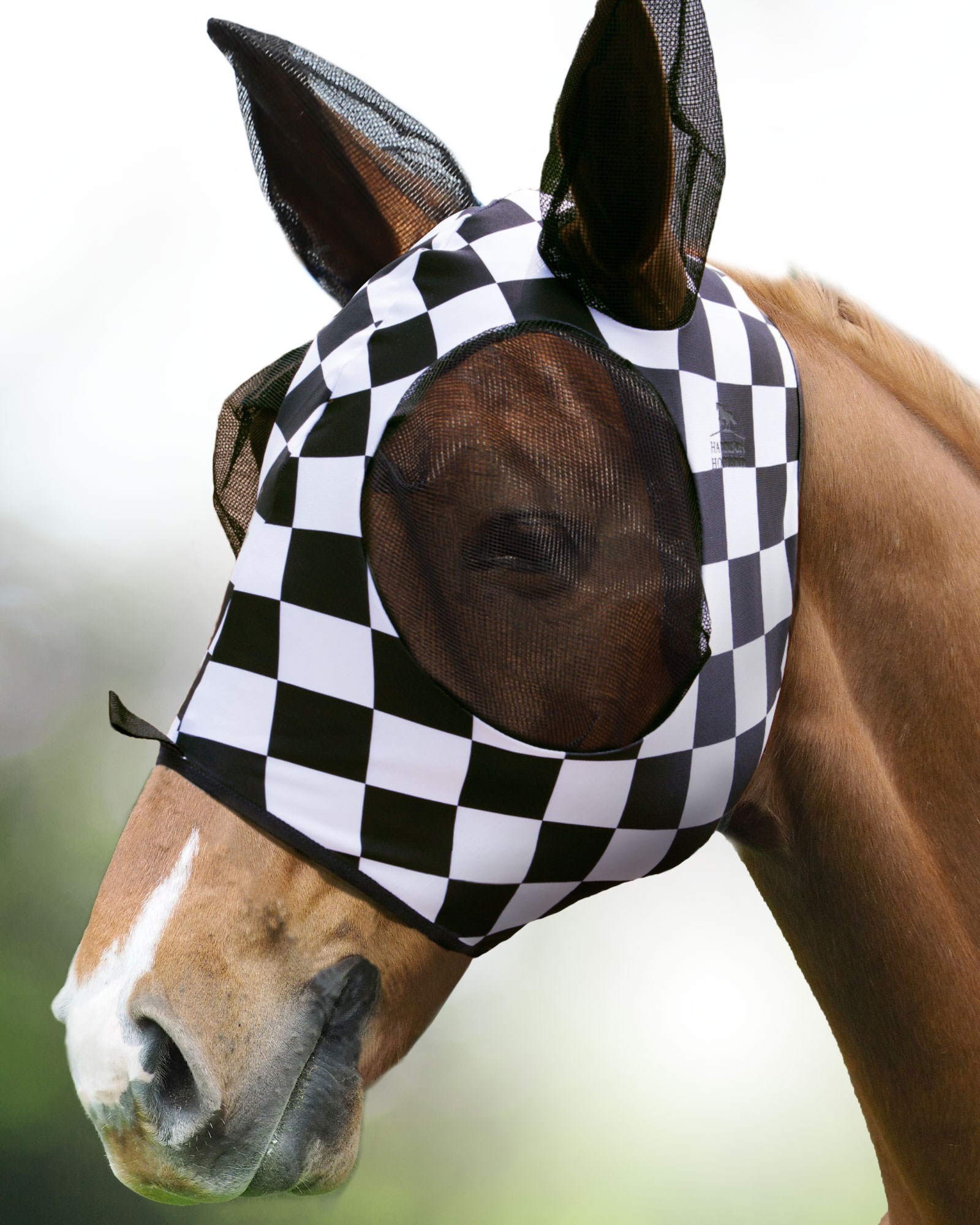
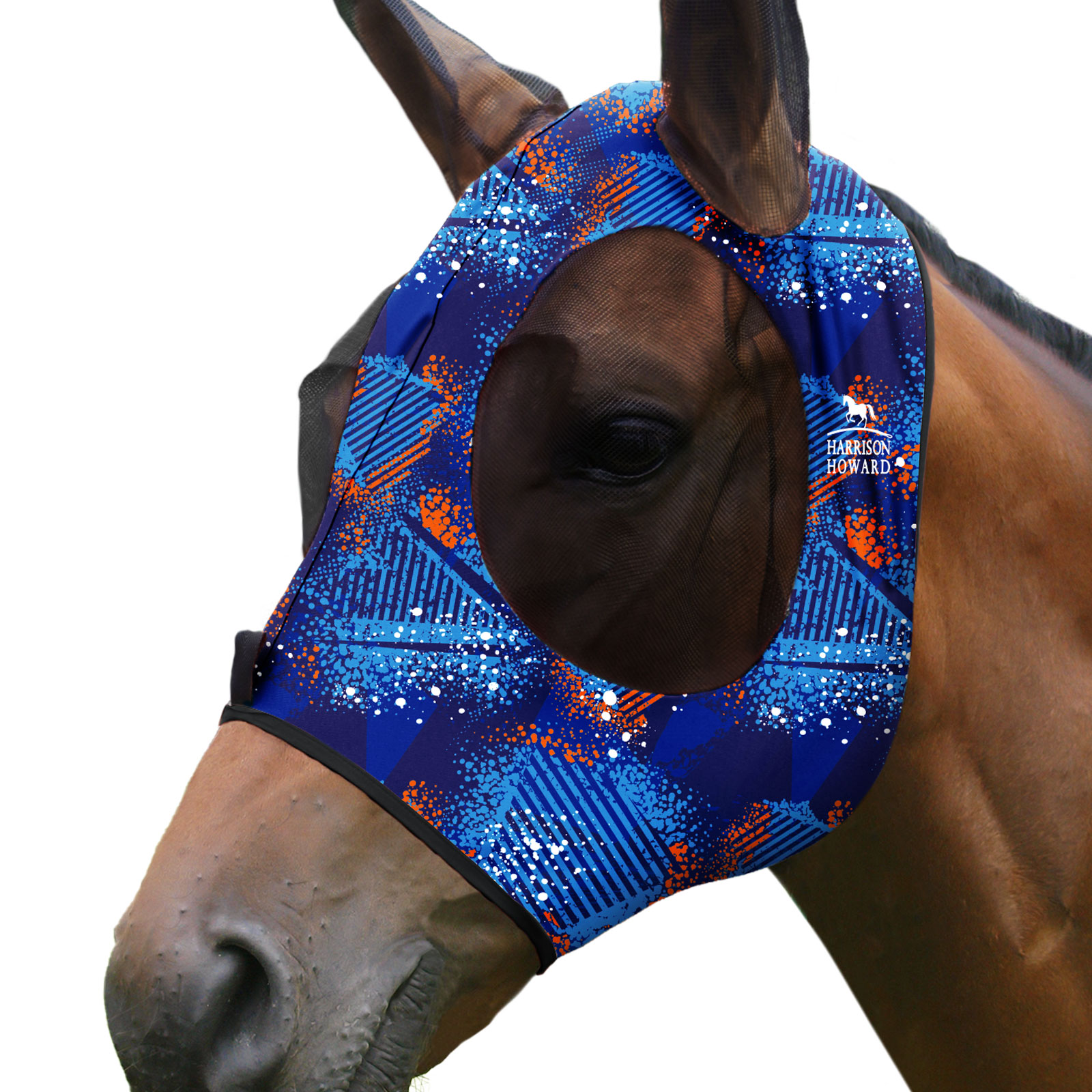
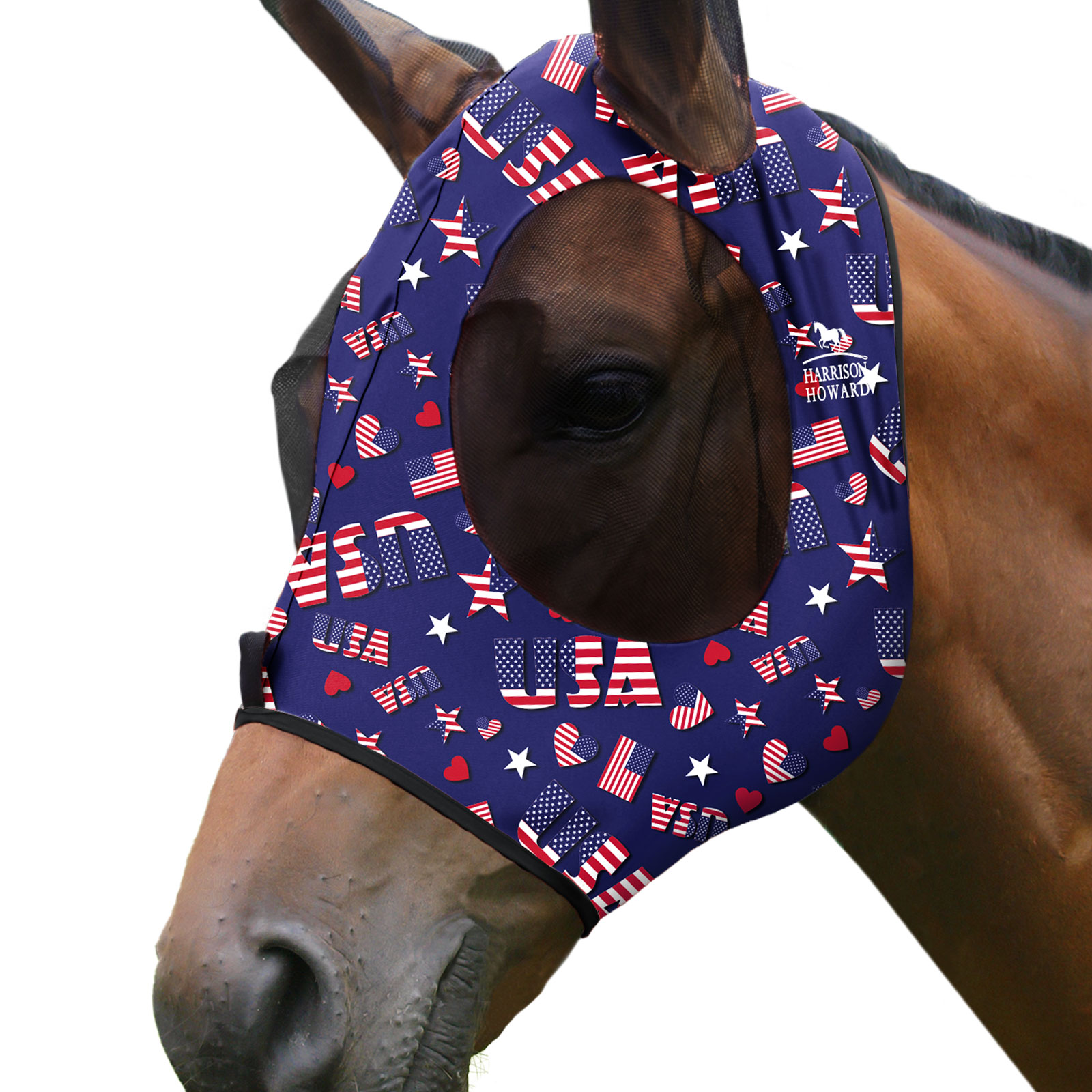
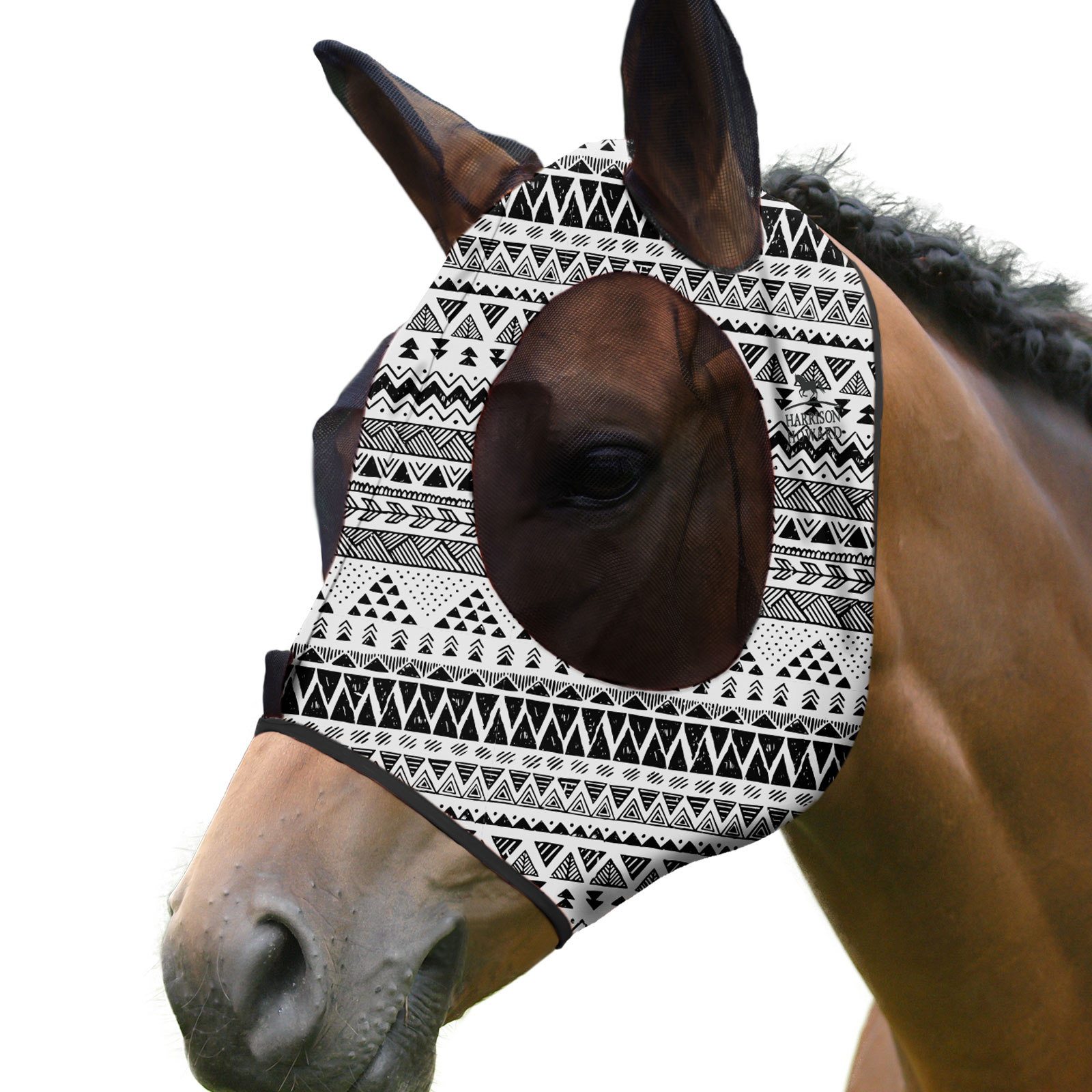
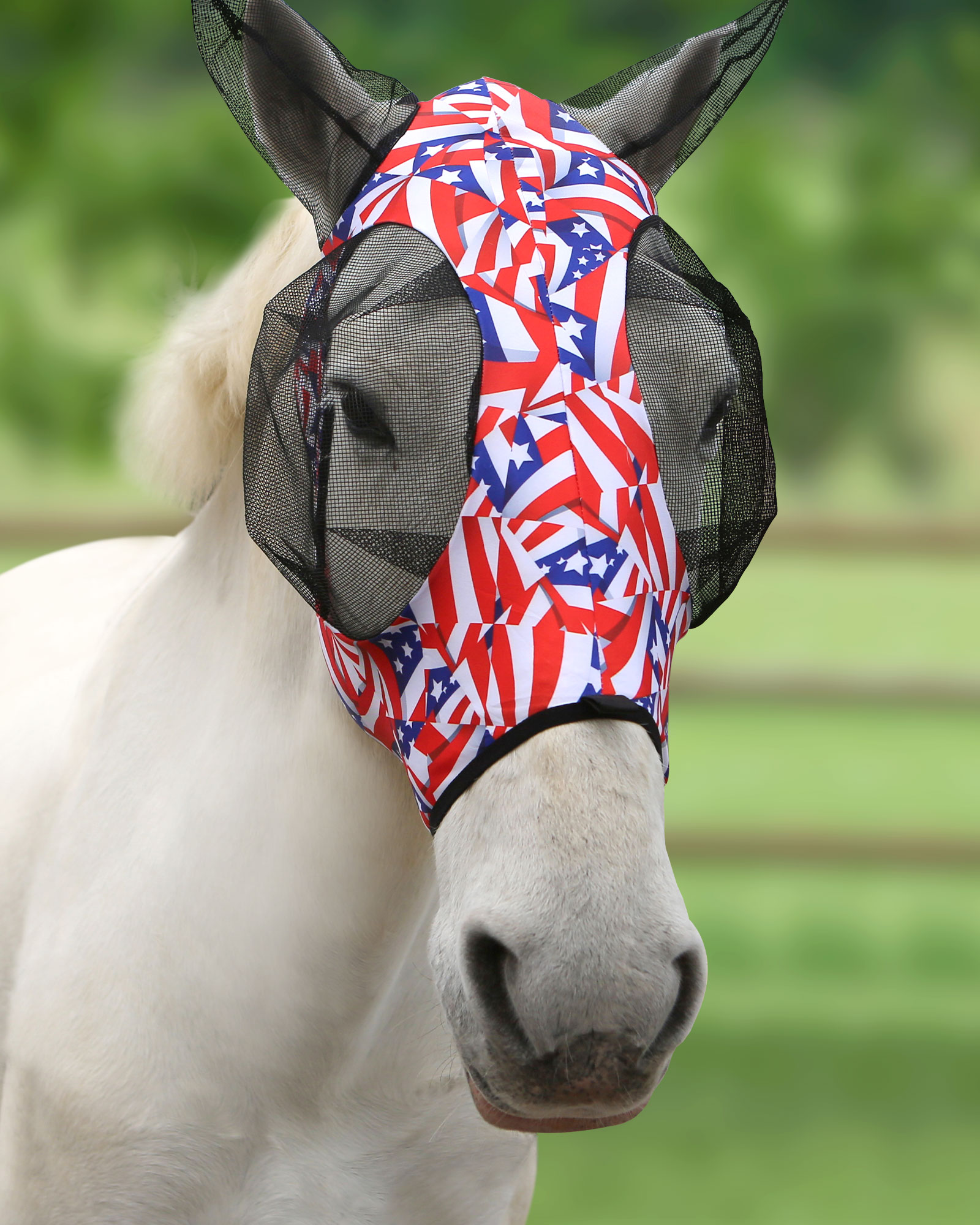
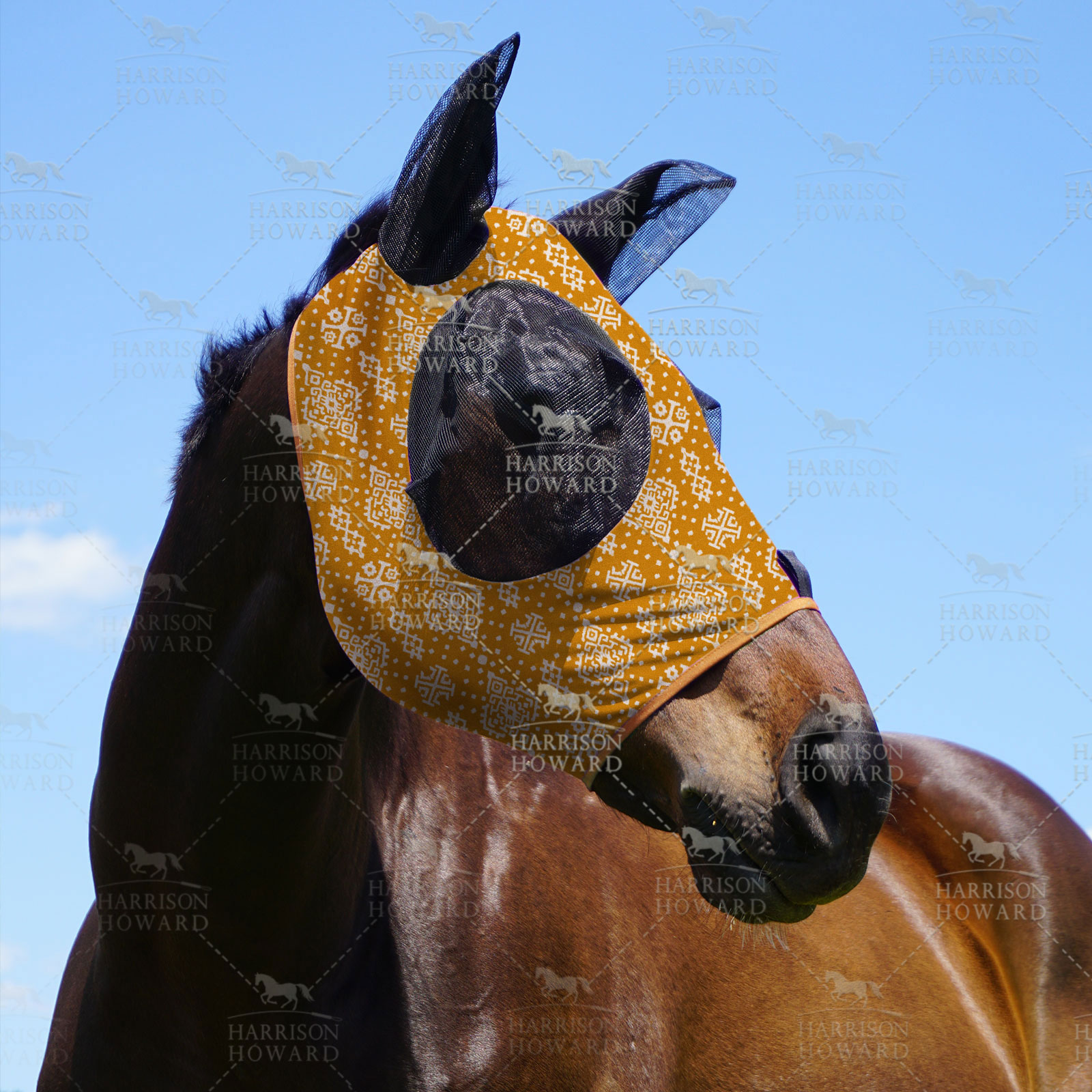
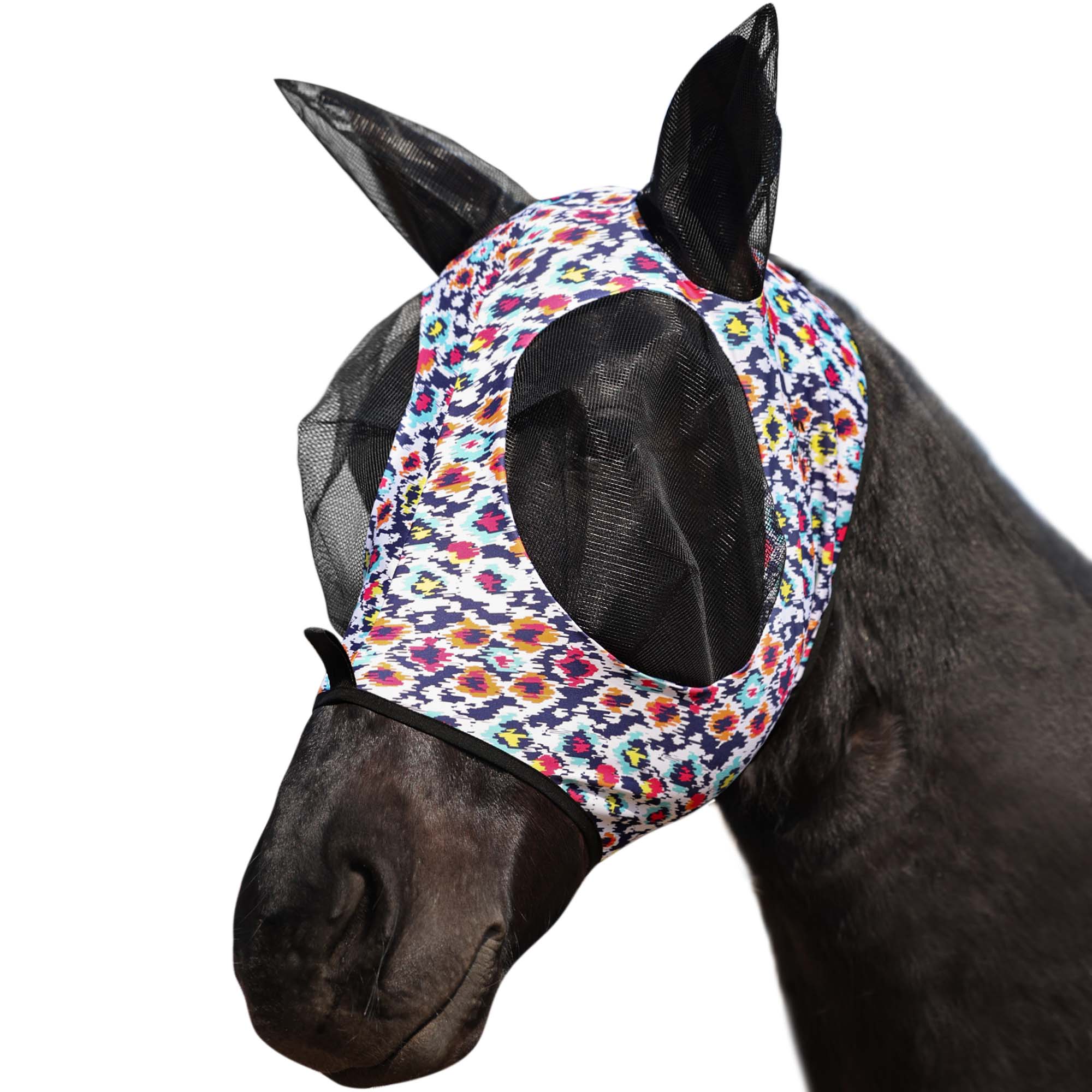
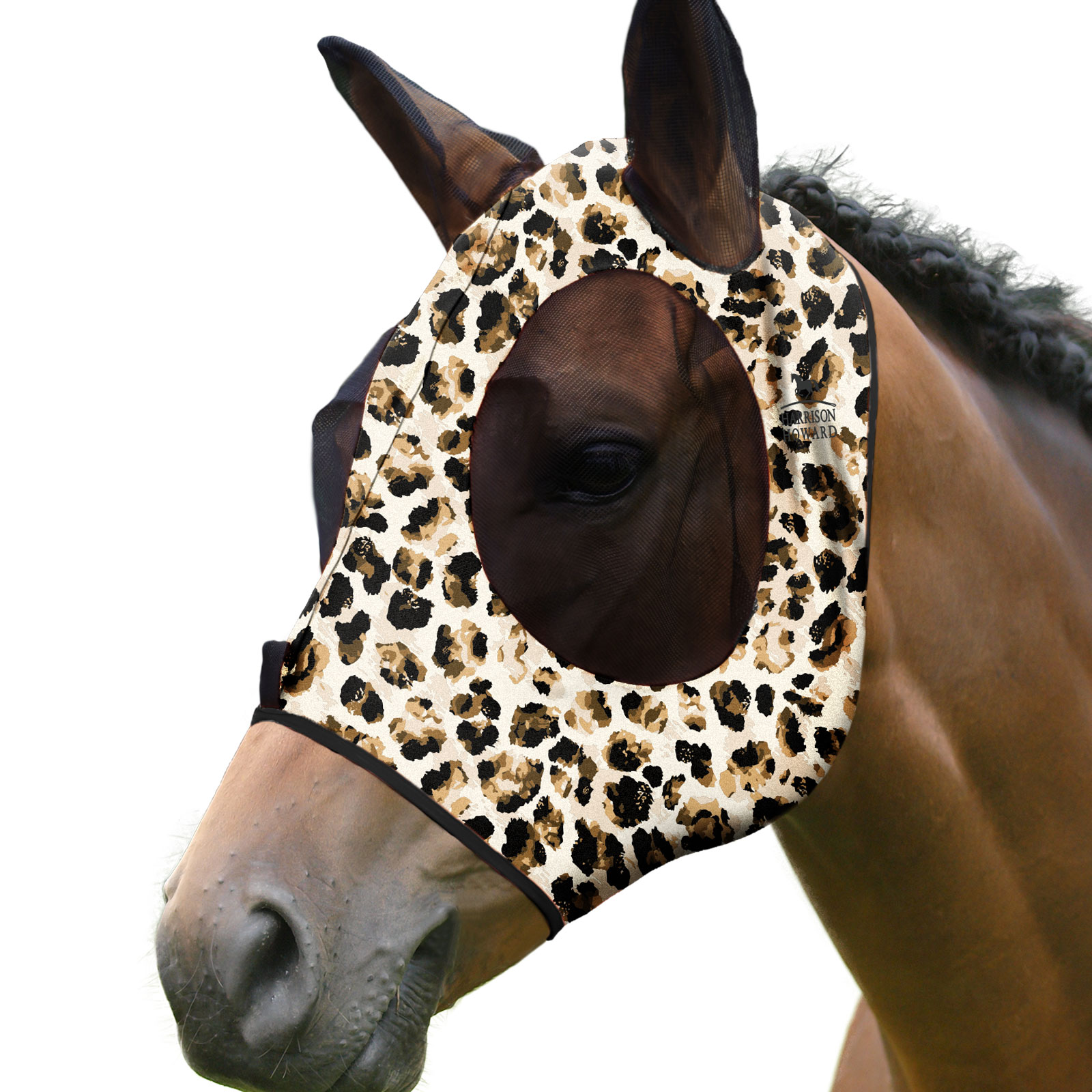
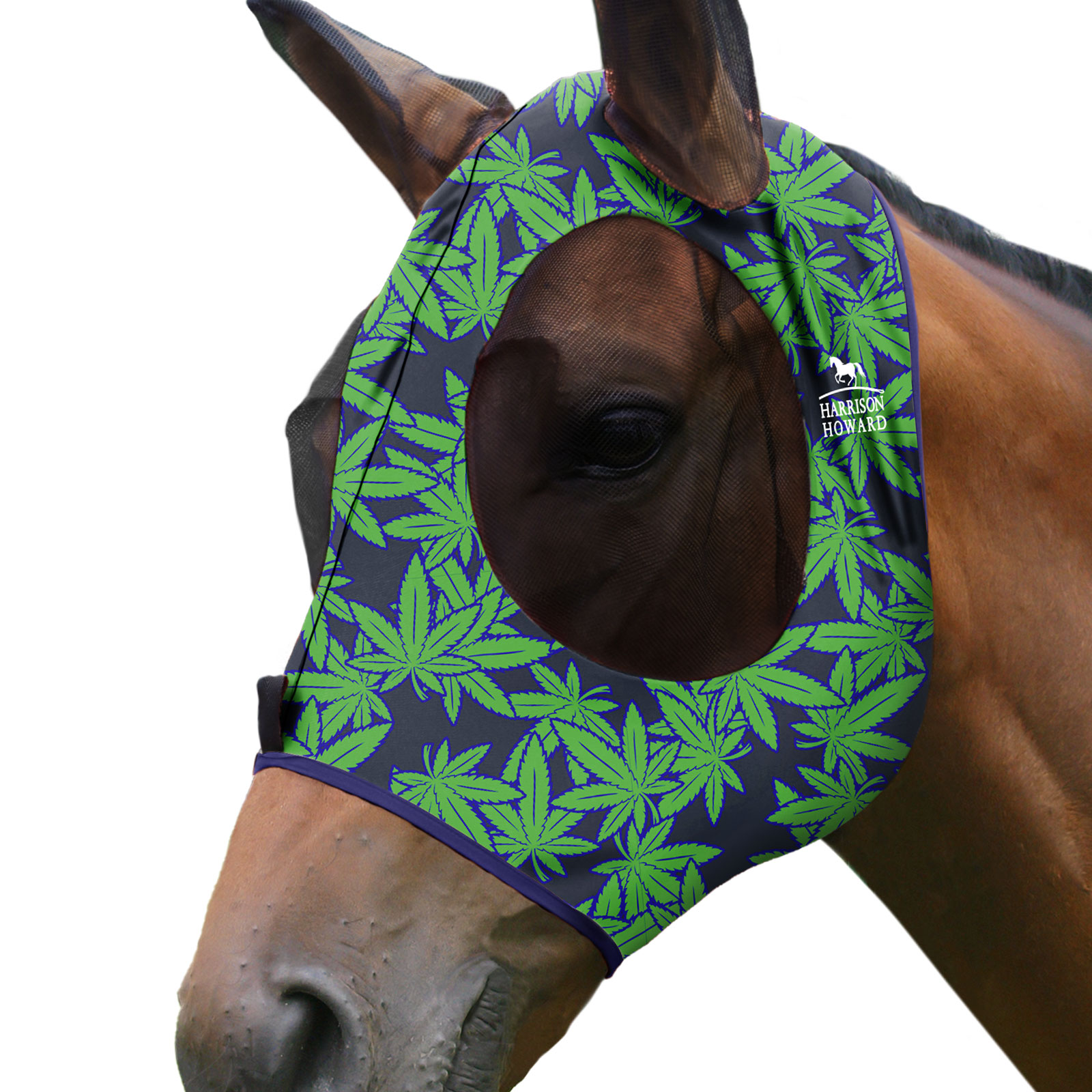
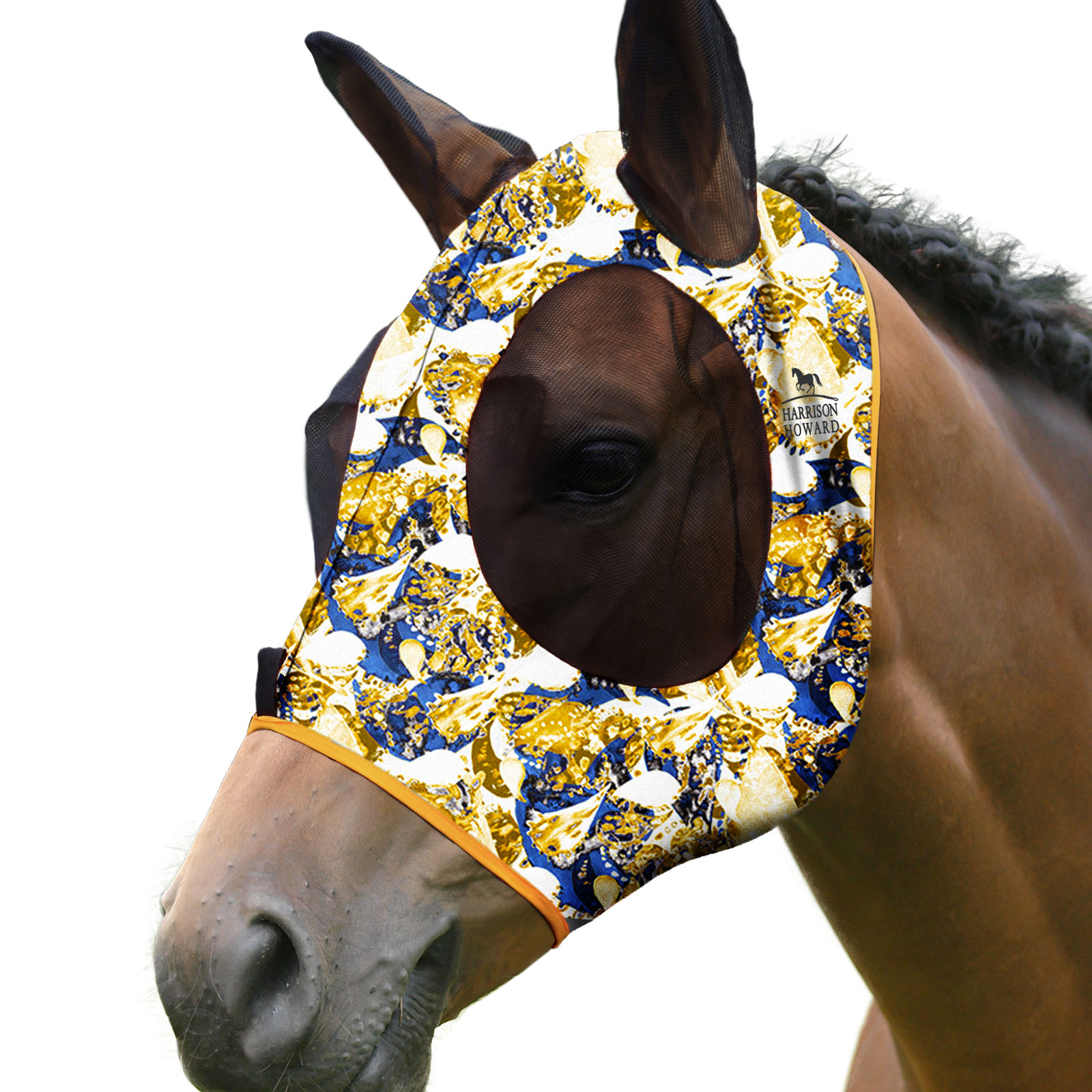
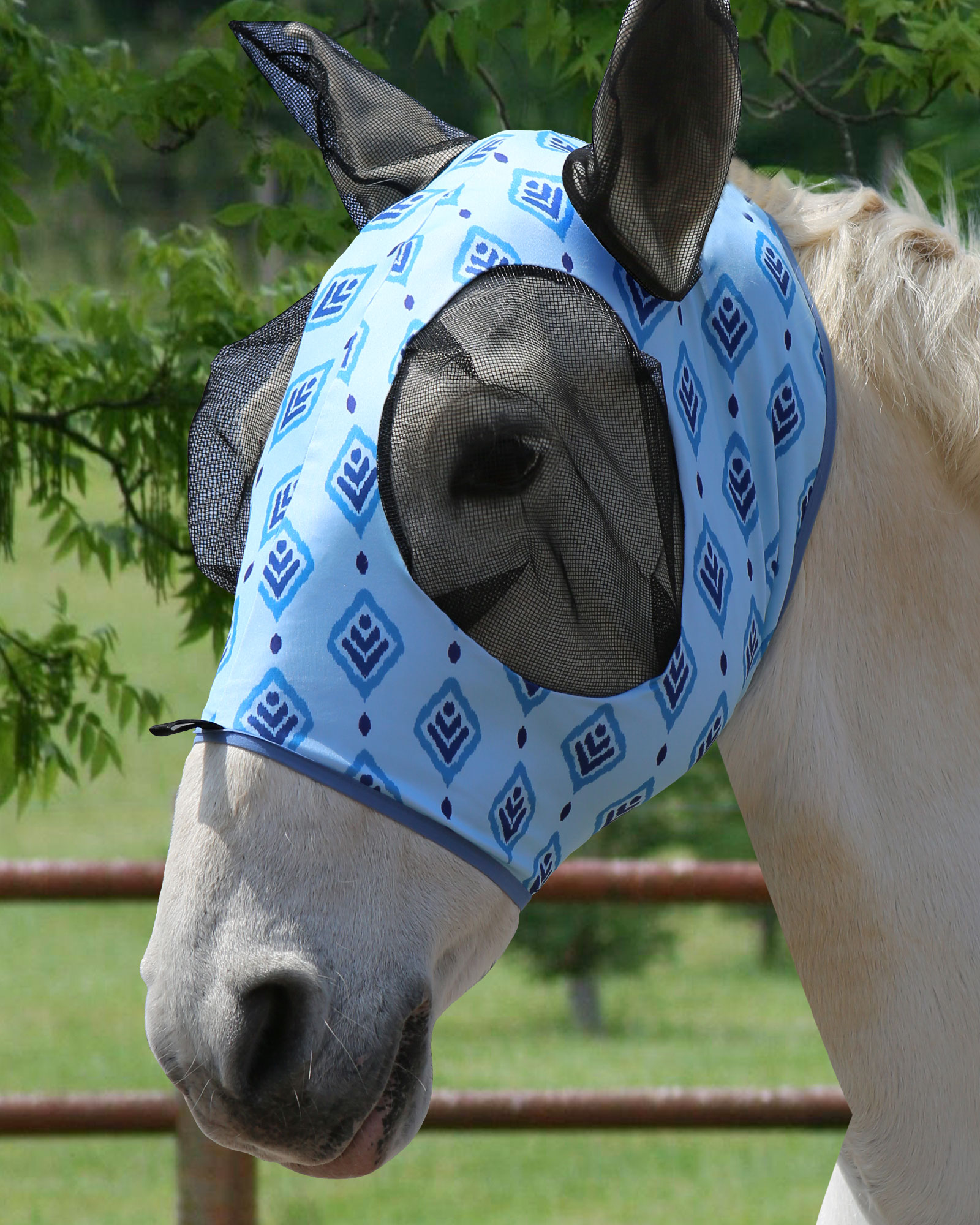
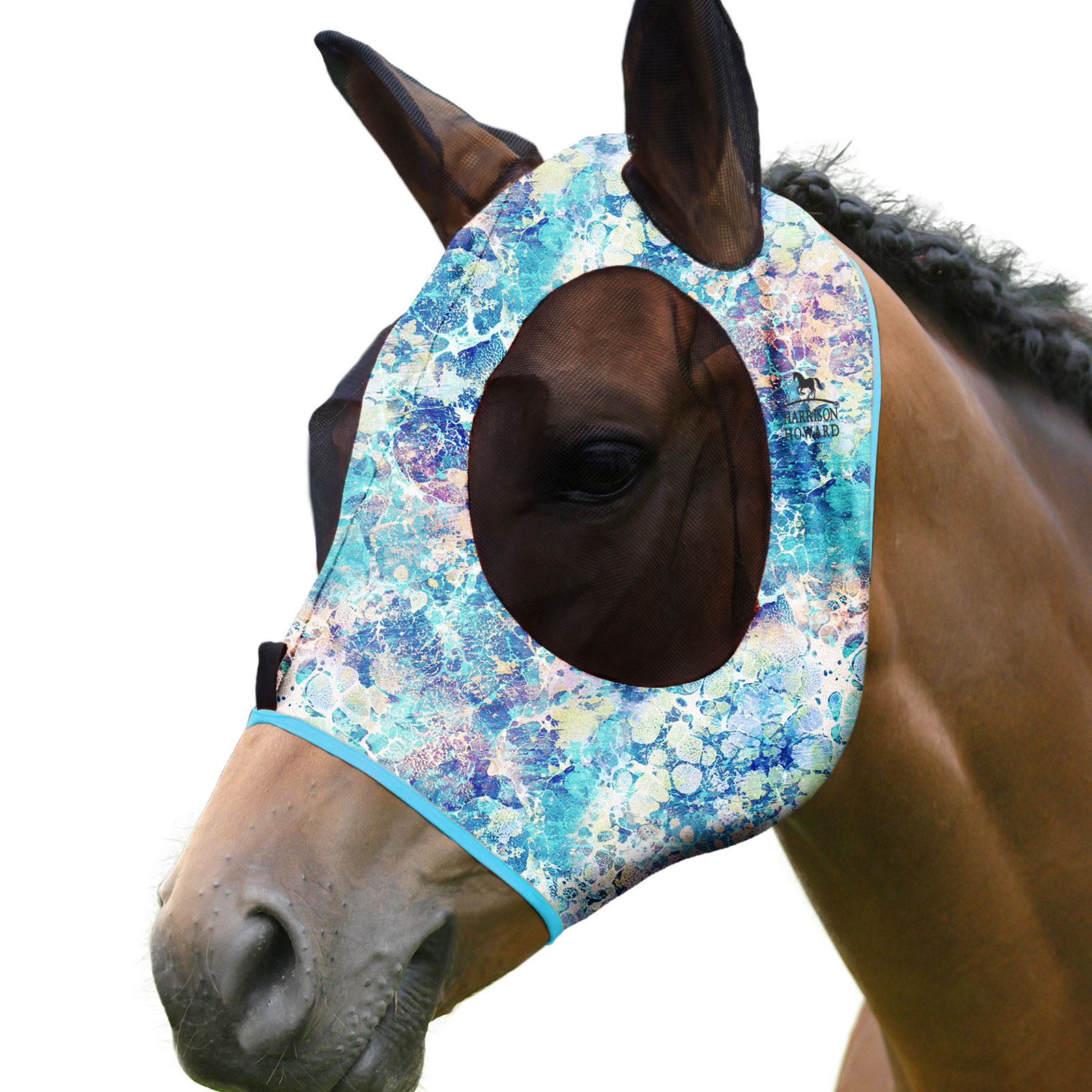
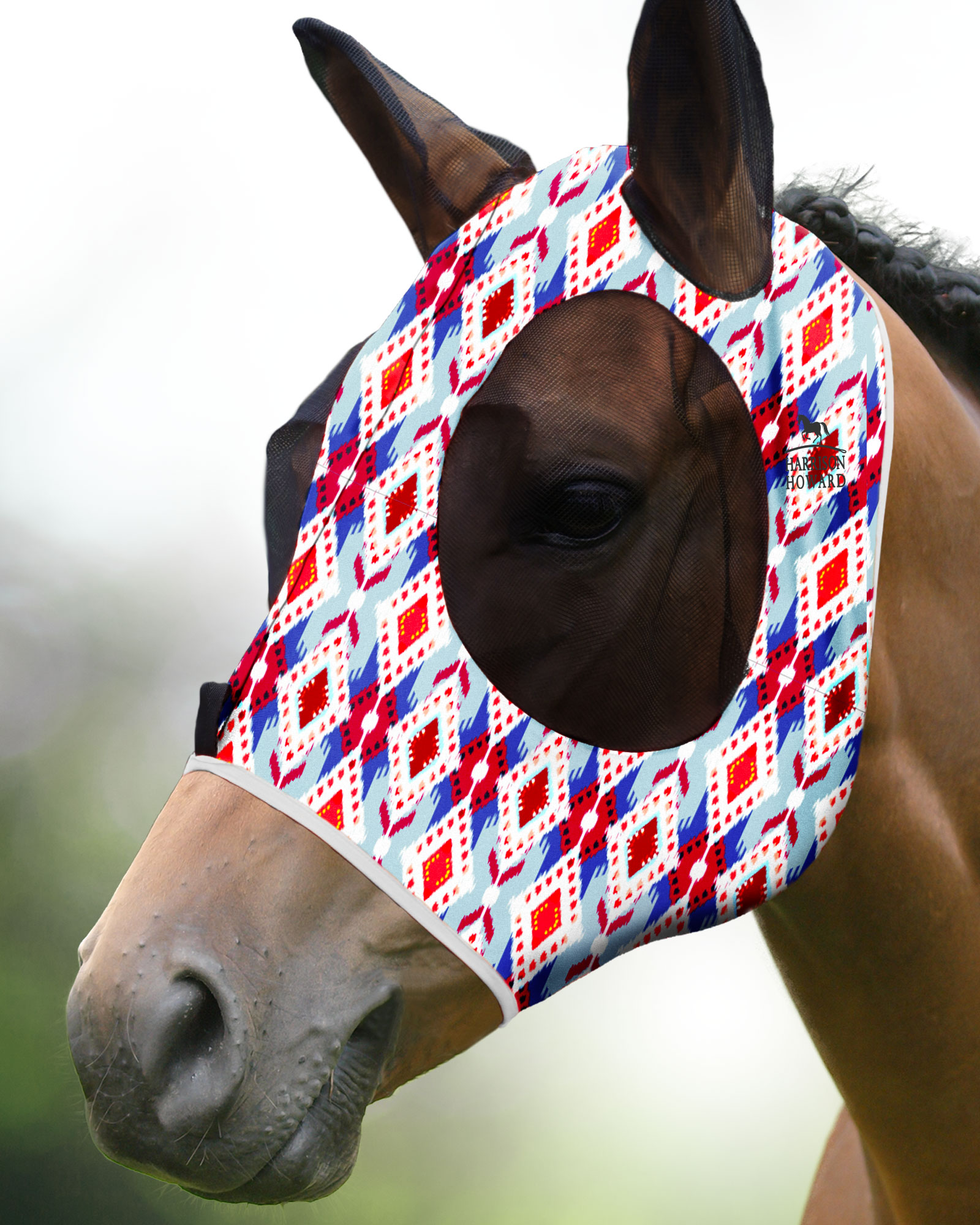
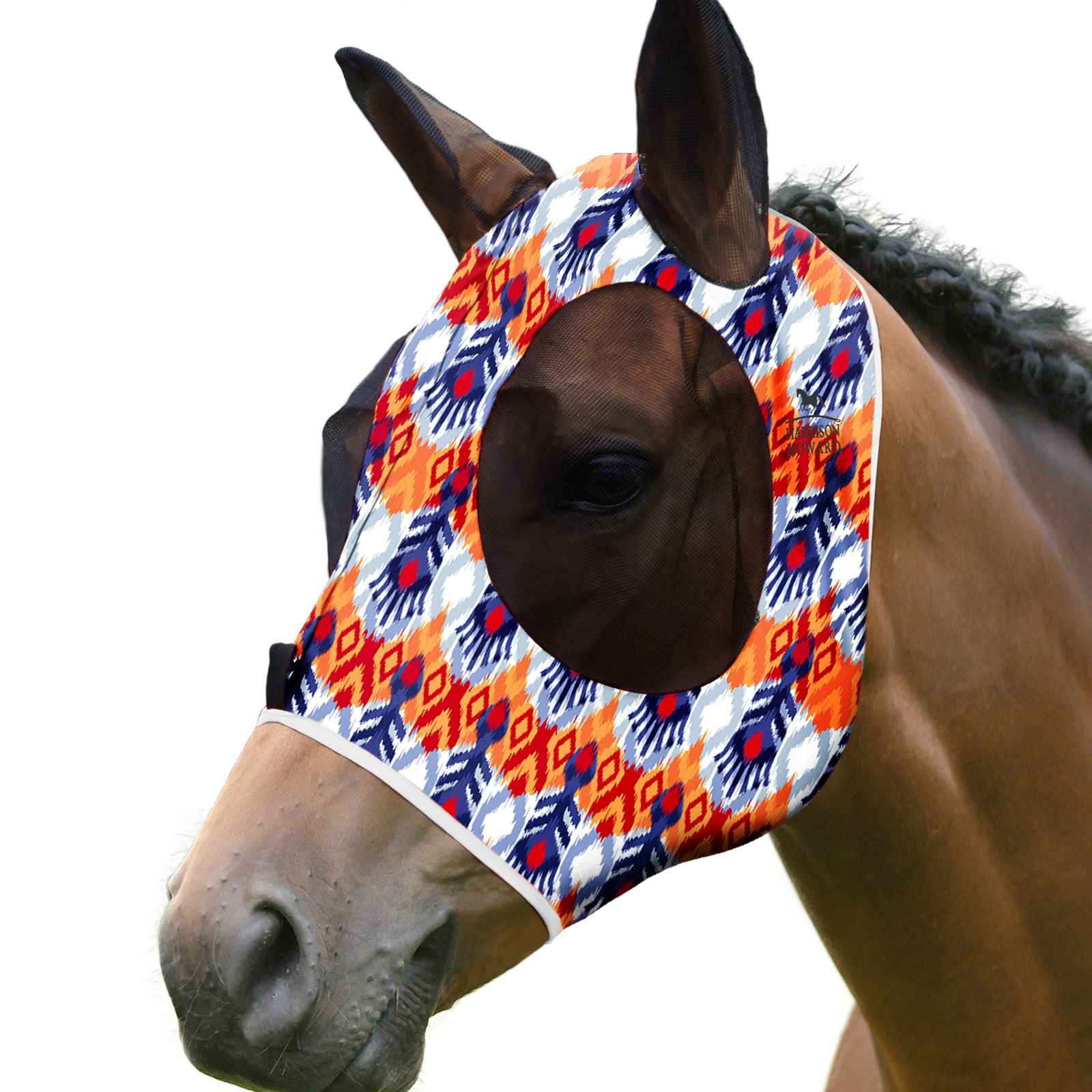
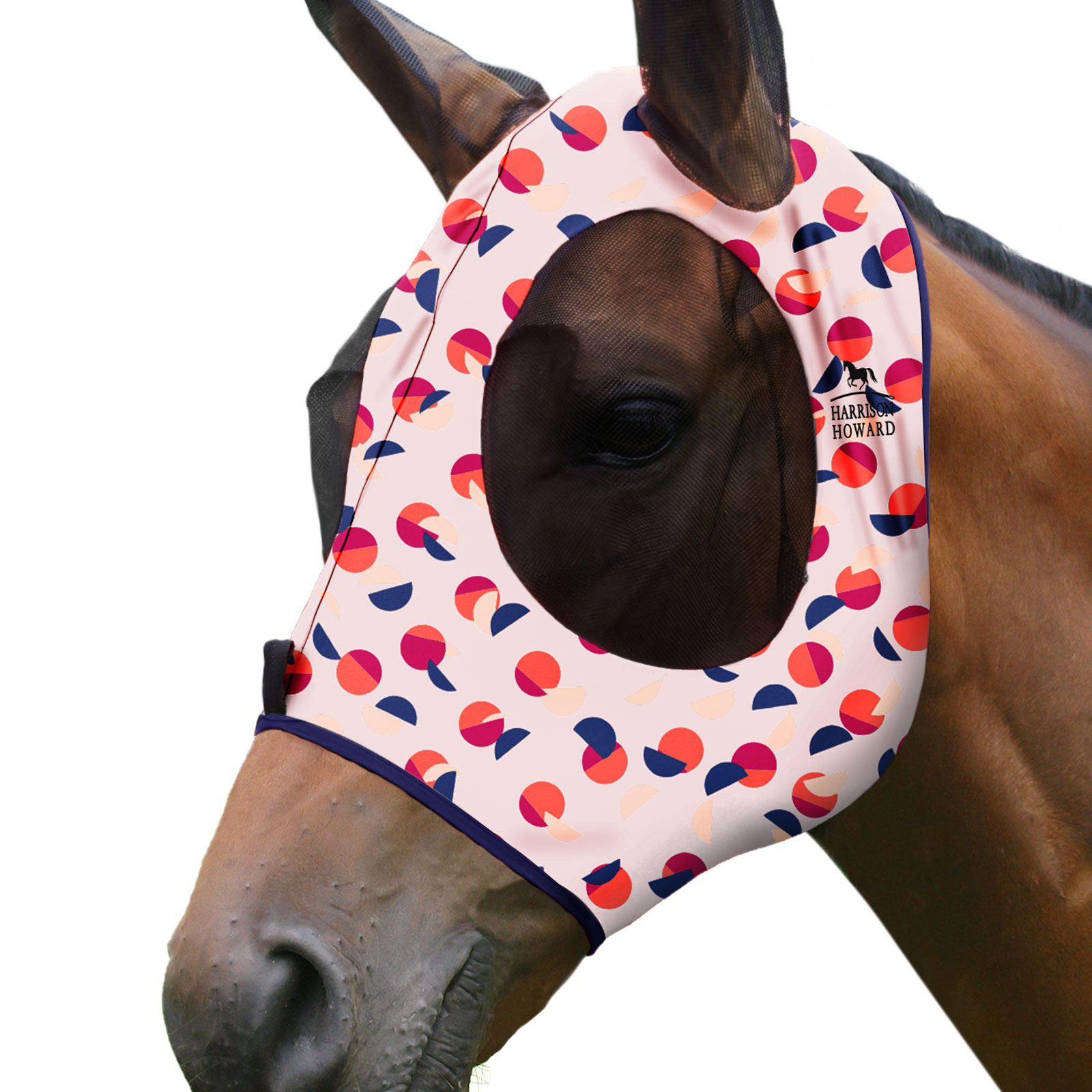
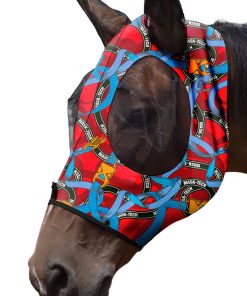
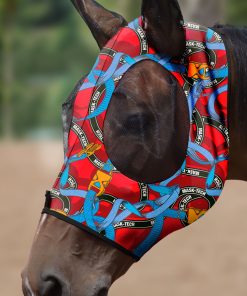

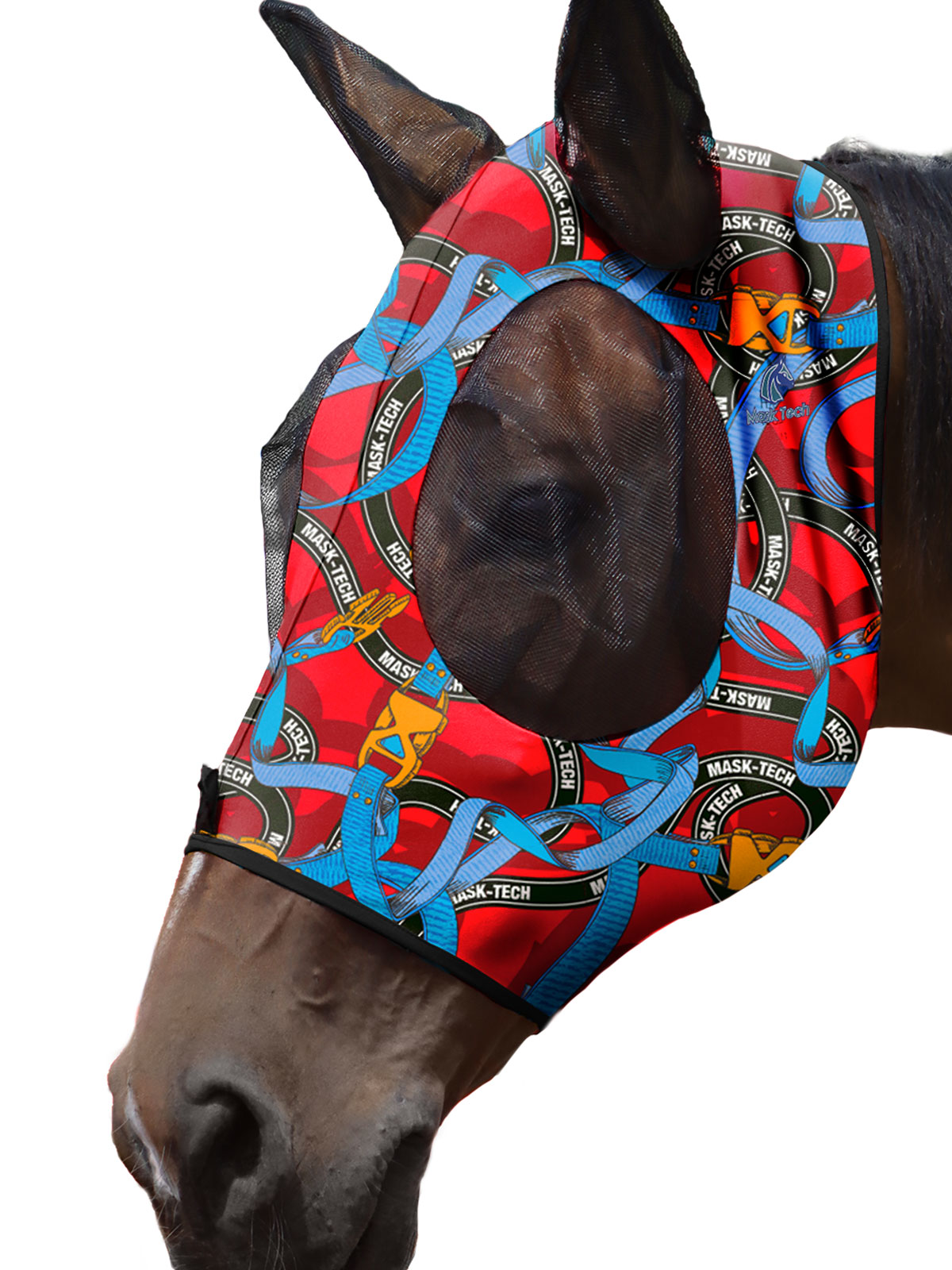
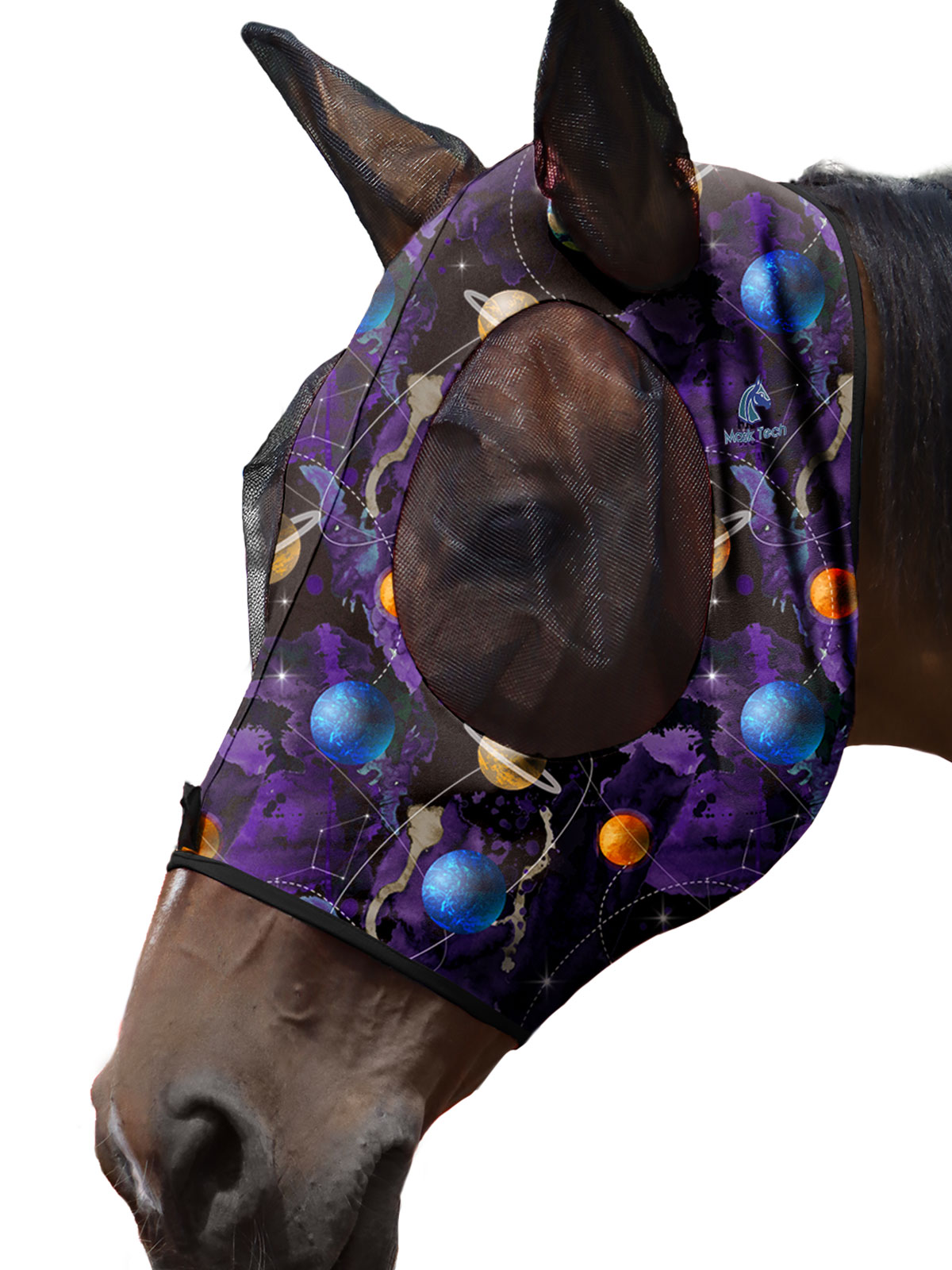
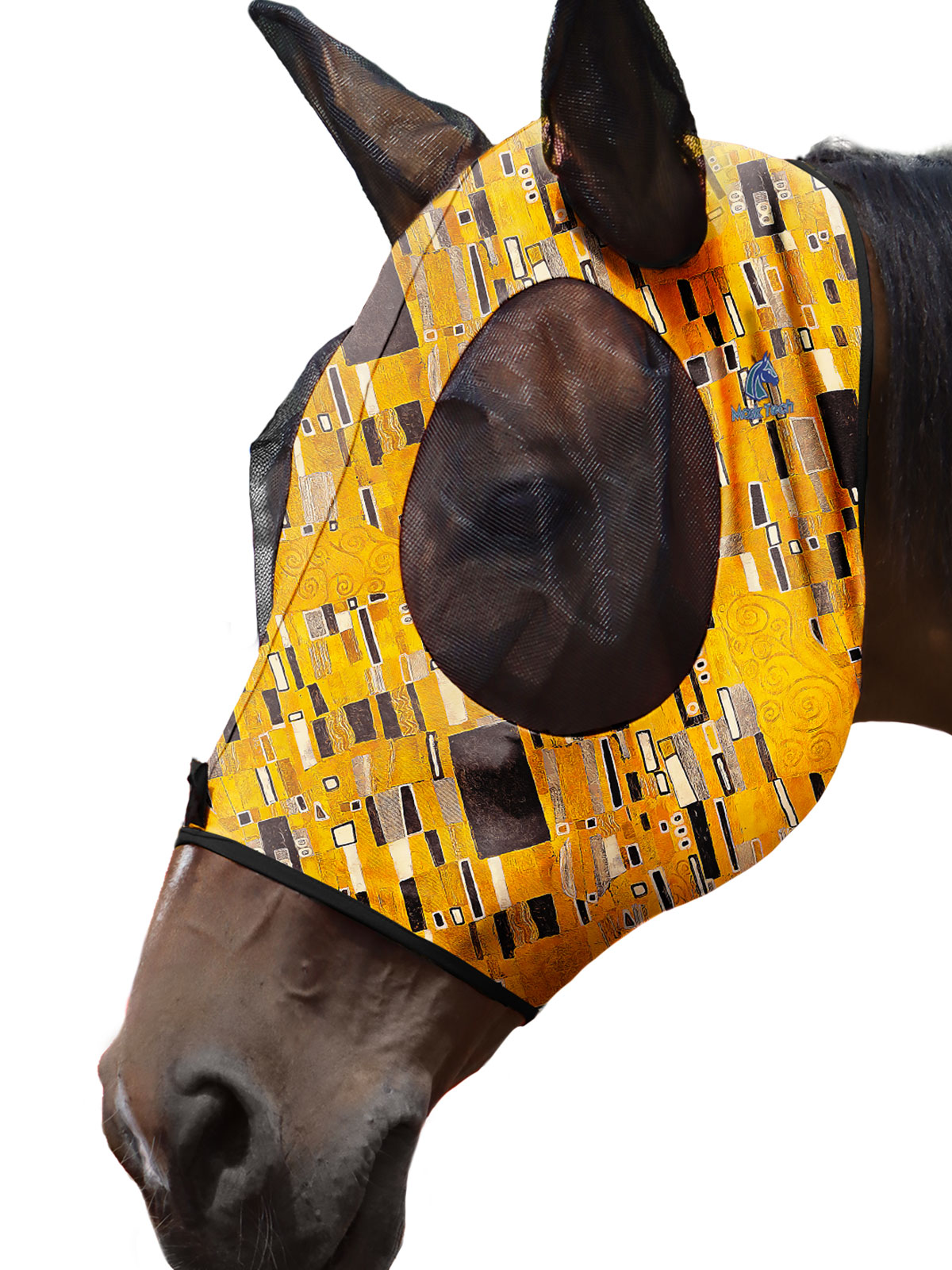
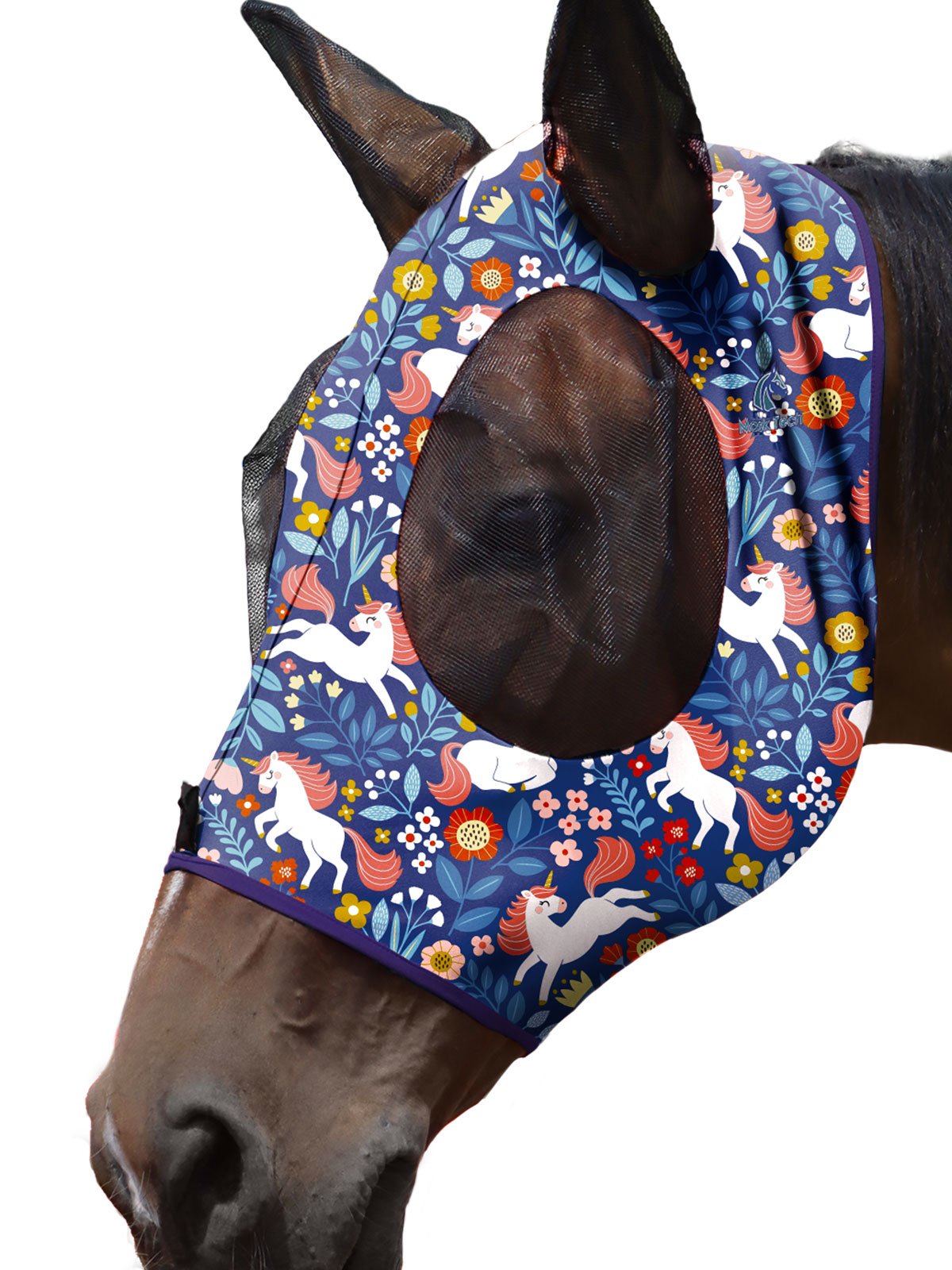


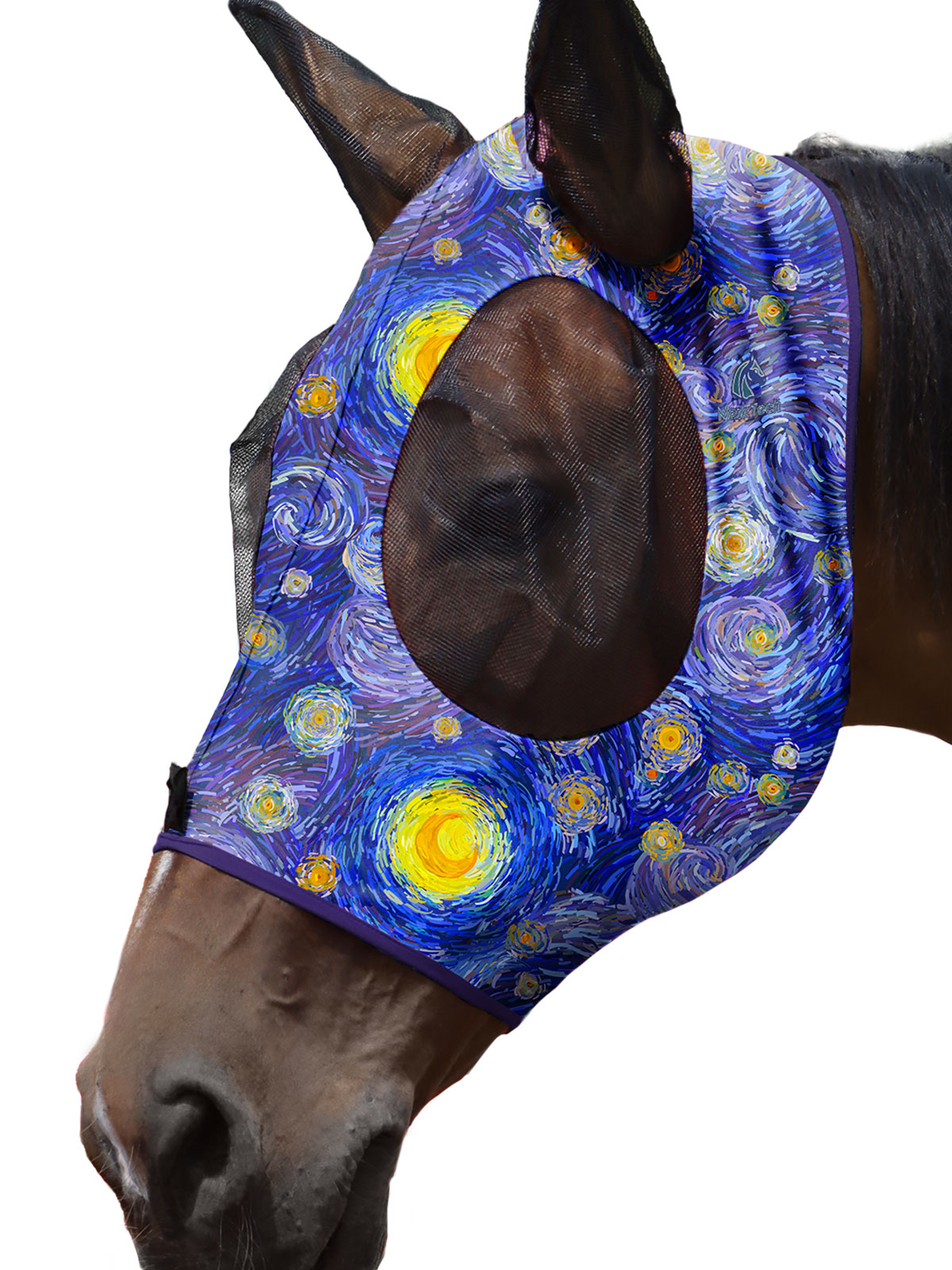
Fly Masks: Not Fashion, Just Good Sense
A well-designed fly mask creates a physical barrier that:
-
Keeps flies away from the eyes, face, and ears
-
Reduces rubbing on fences, stalls, and legs
-
Allows horses to graze, nap, and wander in peace
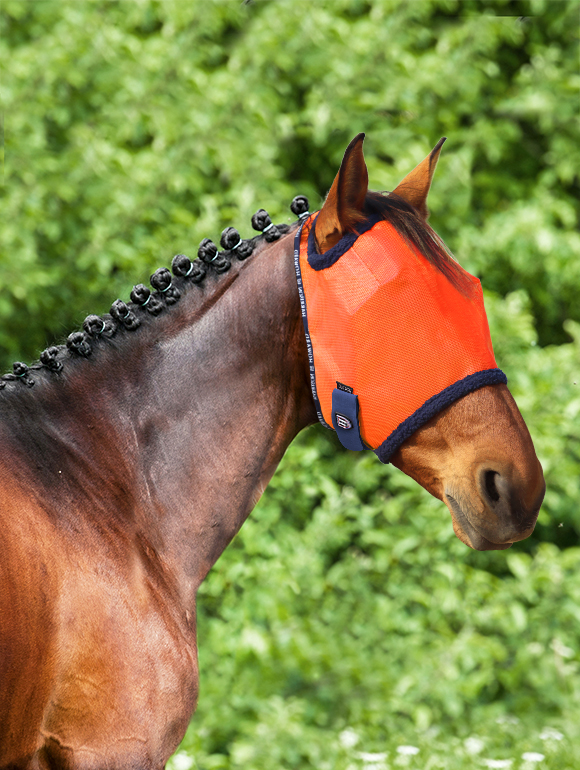
Modern fly masks use structured, breathable mesh that stays off the eyes while maintaining clear vision. Horses can see just fine—what they don’t see are the flies.
Which is exactly the point.
Surprise Benefit: Sun Protection
Flies aren’t the only issue.
Bright sunlight can bother horses with:
-
Light-colored eyes
-
Pink or sensitive skin
-
Existing eye conditions
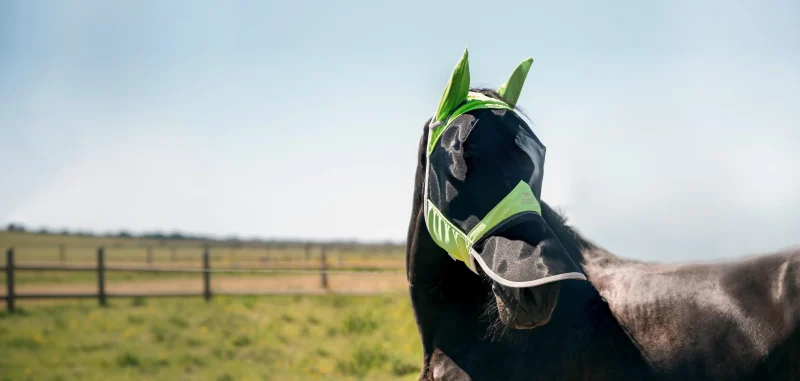
Fly masks with UV-protective mesh help reduce glare and eye strain, making them especially useful during long summer days or bright spring turnout. Think of it as built-in sunglasses—minus the risk of them falling off dramatically.
Fit Matters (Yes, Horses Notice)
Not all fly masks are created equal—and horses are very good at telling you when something isn’t right.
A good fly mask should:
-
Stay securely in place during turnout
-
Keep mesh lifted away from the eyes
-
Use soft edging to prevent rubbing
-
Allow airflow so heat doesn’t build up
If a horse forgets they’re wearing it, you’ve chosen well.
When Fly Masks Really Earn Their Keep
Fly masks are especially helpful for:
-
Horses living out for long hours
-
Horses sensitive to flies or sunlight
-
Horses prone to rubbing or head shaking
-
Horses recovering from mild eye irritation
In these cases, a fly mask isn’t “extra”—it’s part of everyday comfort management.
Small Gear, Big Quality-of-Life Upgrade
Fly masks don’t look impressive hanging in the tack room.
They won’t win style points in the arena.
But out in the field—where comfort actually matters—they quietly do their job. Less irritation. Fewer flies. Happier horses.
And honestly? That’s a win everyone can get behind.
FAQs
Yes. Fly masks help protect horses’ eyes and faces from insects, reduce irritation, and support calmer, more comfortable turnout—especially during fly season.
Yes. Well-designed fly masks use structured, breathable mesh that stays away from the eyes and allows clear, unobstructed vision.
Many fly masks offer UV protection, which can help reduce glare and discomfort for horses with sensitive eyes or light-colored skin.
Previously Posted Fly Mask Content
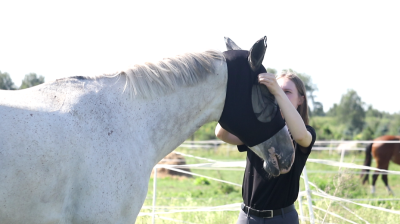
A Day in My Fly Mask (Told by a Very Honest Horse 🐴)
Good morning, human. You probably think this thing on my face is a fashion accessory.You [...]
Nov
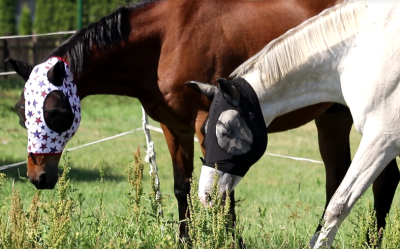
The Great Horse Fly Mask Drama: Because Your Horse Deserves to Look Fabulous While Judging You
There are two types of horses in summer:① Those who wear a fly mask.② And [...]
Jun
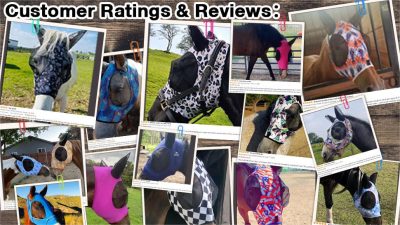
Basking in the Glory of Our ‘5 Star Review Wall’ for Our Horse Fly Mask Range
If there’s anything that makes us beam with pride, it’s knowing that our products have [...]
Jun
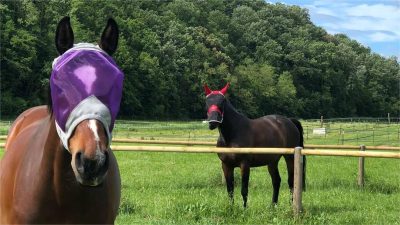
Fly Season is Officially Upon Us – But Which Mask Best Suits Your Horse’s Needs?
Fly season is an inevitable part of owning horses, bringing with it the challenge of [...]
Jun
Unveiling the Secret to a Fly-Free Adventure: Introducing the CareMaster Pro Luminous Fly Mask
In the enchanting world of horses, there’s nothing more captivating than witnessing their grace and [...]
Jun